Celebrating Prof. Theresa Nwagha’s 252nd UNN Inaugural Lecture
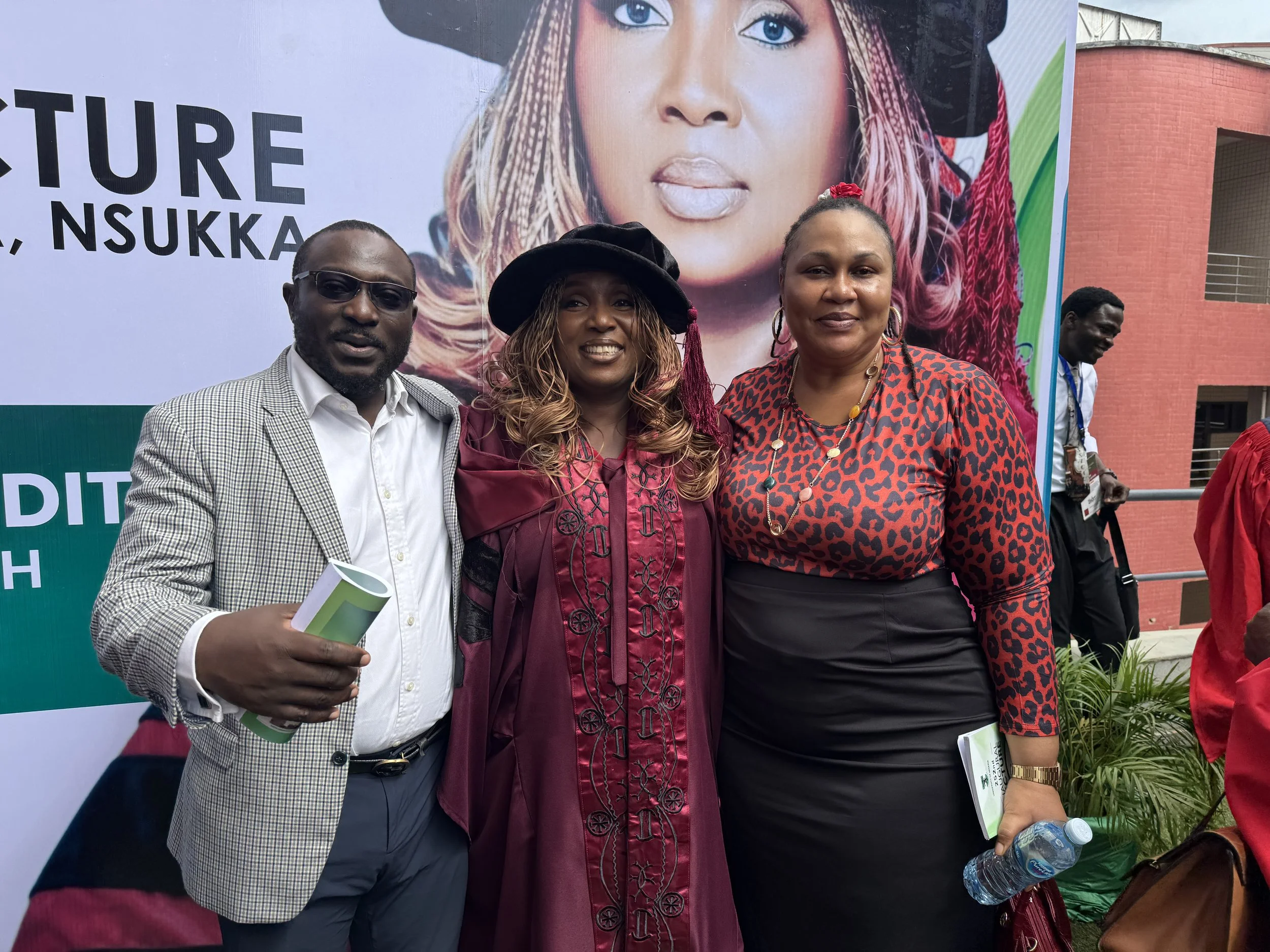
Cope and Live Mental Health Awareness Foundation celebrates our partner, friend, and co-architect of the Total Care Mind and Body Outreach
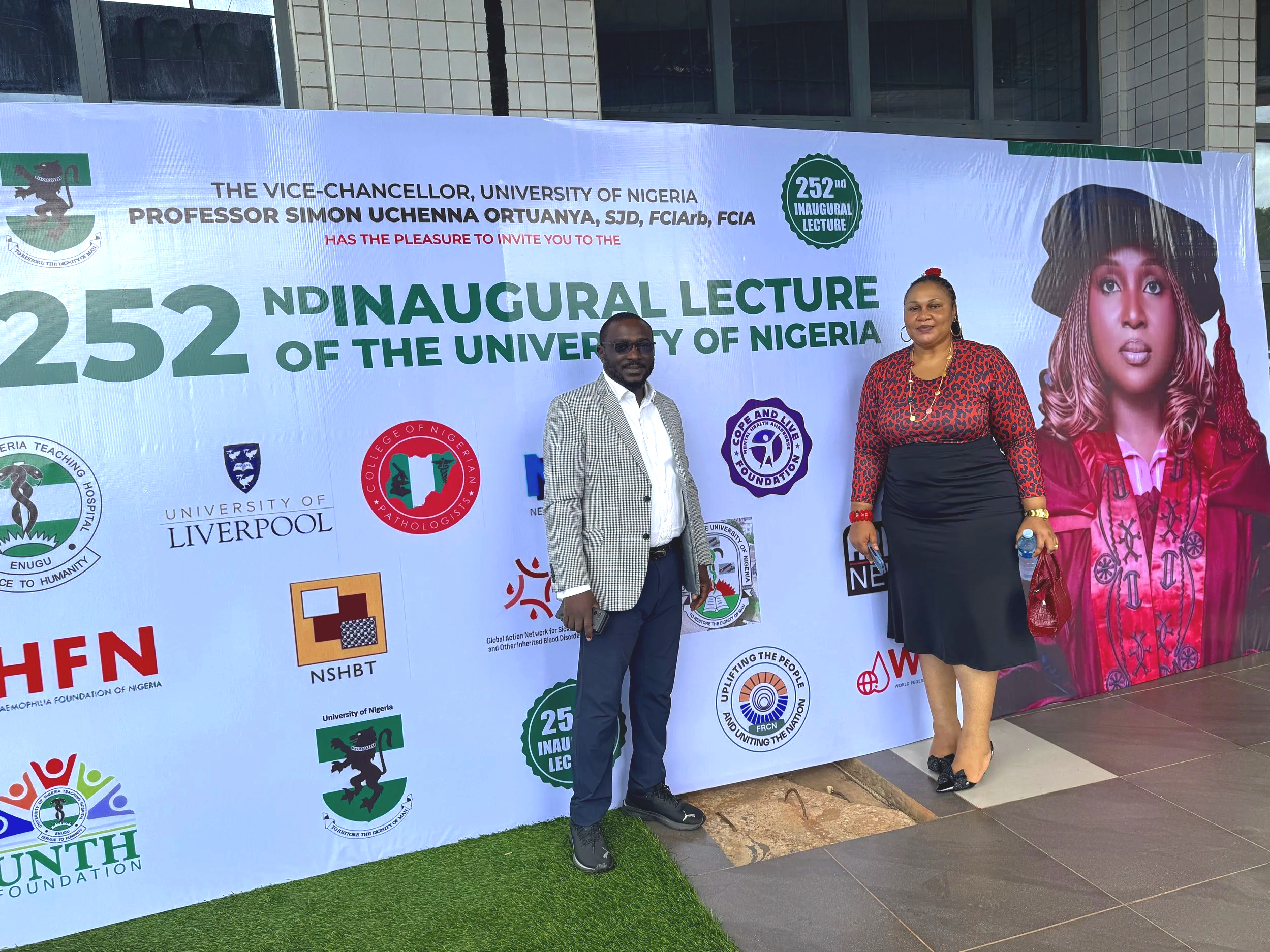
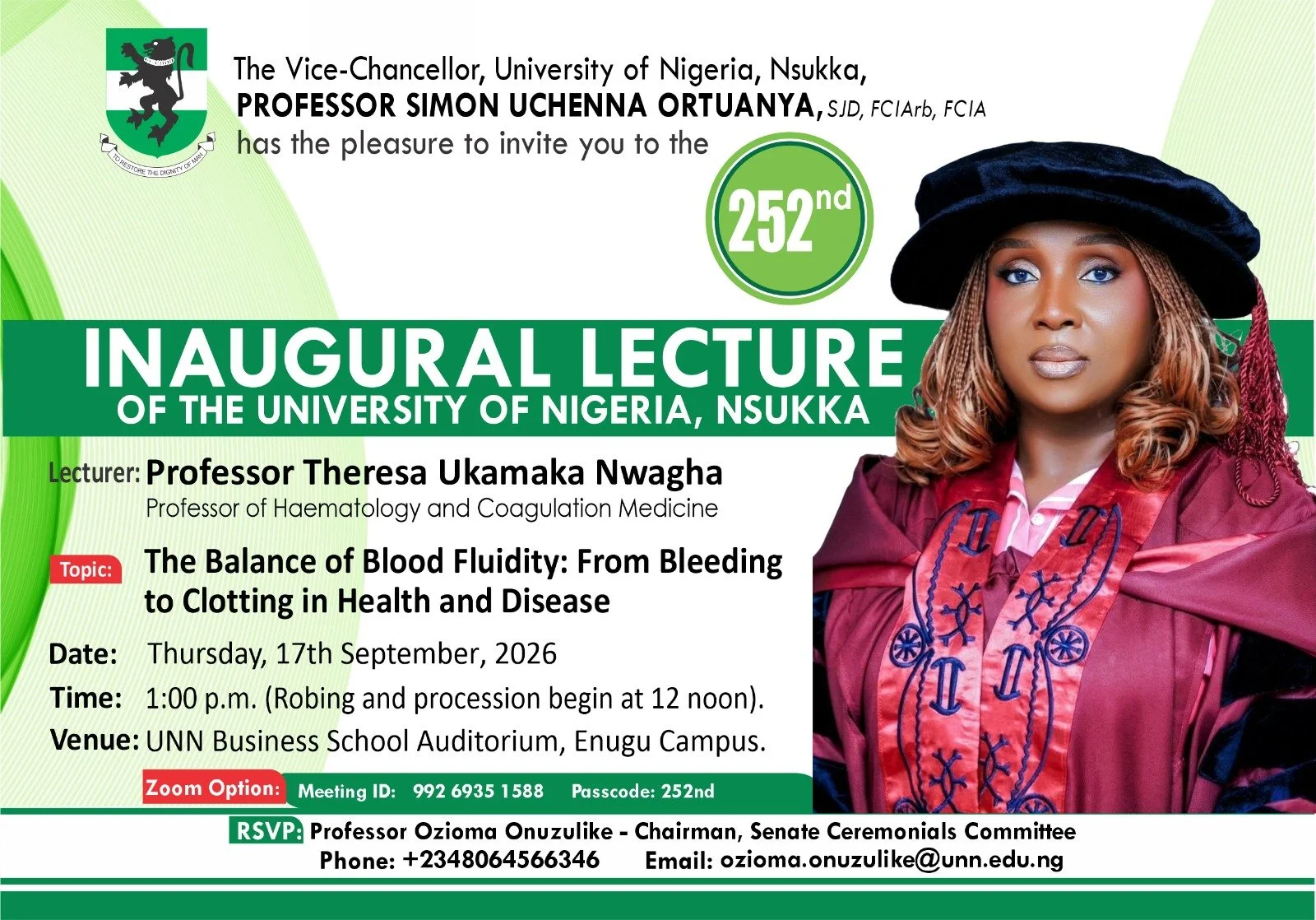
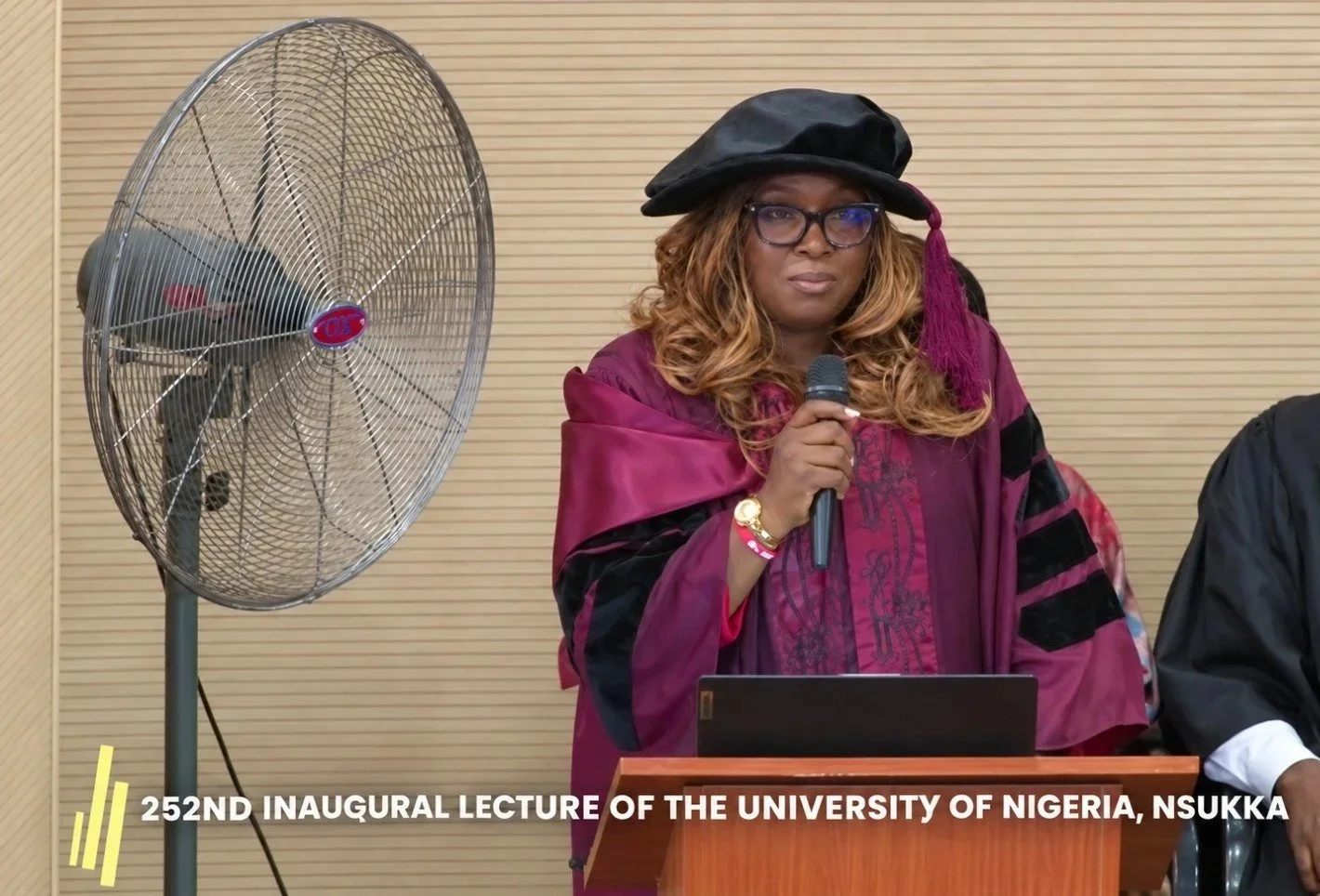
The Cope and Live Mental Health Awareness Foundation (CALMHAF) heartily congratulates our partner and friend, Professor Theresa Ukamaka Nwagha, Professor of Haematology and Coagulation Medicine, on the successful and informative delivery of the 252nd Inaugural Lecture of the University of Nigeria.
Her lecture, invited by the Vice-Chancellor, Professor Simon Uchenna Ortuanya, SJD, FCIArb, FCIA, was delivered on Thursday, 17 September 2026, at 1:00 p.m. at the UNN Business School Auditorium, University of Nigeria, Enugu Campus.
Topic: The Balance of Blood Fluidity: From Bleeding to Clotting in Health and Disease
The lecture was attended, on behalf of CALMHAF, by the Founder and Executive Director, Reverend Chukwudiebube Nwachukwu, and the Co-Founder, Mrs. Uzoamaka Nwachukwu.
Professor Nwagha is also Chief Executive Officer of the UNTH Foundation, a valued partner of Cope and Live, and joint owner of the impactful Total Care Mind and Body Outreach.
Why this lecture matters
Blood must stay fluid enough to circulate and still clot quickly enough to stop bleeding. When that balance fails, the result can be life-threatening haemorrhage—or silent, sudden death from clotting.
In coverage of the lecture, Professor Nwagha stated that blood clots, also known as venous thromboembolism (VTE), remain a major cause of sudden deaths globally. VTE occurs when clots form in the veins and obstruct normal blood flow. About 10 million cases are recorded worldwide each year, resulting in approximately two million deaths. About 25 per cent of people with blood clots show no symptoms. Clots can affect both the ill and those who appear healthy, and some cases end in sudden death—popularly called “fall and die.”
Risk factors she highlighted include prolonged sitting, obesity, stress, and journeys lasting more than four hours. Remaining seated for long periods—especially while working at a computer—can cause blood to pool in the lower legs. Symptoms are sometimes mistaken for muscle injury, exercise-induced asthma, or ordinary fatigue. Women on oral contraceptives, those undergoing IVF or high-dose oestrogen therapy, and even athletes are at elevated risk.
She urged regular risk assessment, hospital-wide thromboprophylaxis, and the integration of VTE awareness into primary care. She also called for anticoagulation to be treated as a disciplined, life-saving standard of care rather than a feared clinical hazard. Low public awareness, gaps in medical training, and the migration of health professionals (“Japa syndrome”) continue to hinder progress. Digital health and artificial intelligence, she noted, can strengthen risk assessment and more precise care.
These warnings, reported by NPO Reports and Gazette Nigeria among others, make the inaugural lecture not only a scholarly milestone but a public-health intervention.
Partnership in action: Total Care Mind and Body Outreach
The lecture sits within a wider commitment Professor Nwagha shares with Cope and Live: treating mind and body as one.
In December 2025 the UNTH Foundation and CALMHAF signed an MoU under the joint Total Care Mind and Body Initiative, recognising that mental health is inseparable from physical health.
The outreach has been conducted twice so far:
First edition — Saturday, 24 January 2026
Community Primary School Field, Ameke Ozalla, Nkanu West LGA, Enugu State.
Over 100 seniors and retirees (aged 60+) received free integrated care from about 50 personnel from UNTH and the CALMHAF Centre. Services included medical and dental screening, wellness education, mental health discussions on isolation, loneliness and dementia, counselling, and HIV/syphilis combo testing plus TB screening by CARITAS Nigeria (Enugu office). Approximately 70 per cent of beneficiaries received at least one referral for follow-up at UNTH or the CALMHAF Centre. Beneficiaries included people from low-income households, retired civil servants, farmers and homemakers.
Second edition — Friday, 29 May 2026 (Menstrual Hygiene Day)
Ozalla High School, Ozalla, Nkanu West LGA.
About 200 students (approximately 120 girls and 80 boys) took part in sessions on menstrual health, emotional wellbeing, hygiene, and the mental-health aspects of periods. Boys were included deliberately to build understanding and reduce stigma. The programme was led by Professor Nwagha and Reverend Chukwudiebube Nwachukwu, Founder and Executive Director of Cope and Live.
Together these outreaches show what the partnership was built to do: take prevention, early detection, counselling and dignity into communities that need them most.
A colleague, a partner, a friend
Professor Nwagha is a pioneering haematologist: the first woman to head Haematology and Immunology at the College of Medicine, University of Nigeria; Director of the Southeast Haemophilia Treatment Centre; and Vice President (Medical) of the Haemophilia Foundation of Nigeria. As CEO of the UNTH Foundation she has consistently opened institutional doors to community-centred, integrated care.
Cope and Live congratulates her on a lecture that was both rigorous and urgently relevant. Having been represented in the hall by our Founder and Co-Founder, we remain proud to walk with her—from the auditorium at UNEC to the field at Ameke Ozalla and the classroom at Ozalla High School—in the work of keeping people well in body and in mind.
When bleeding meets clotting, balance sustains life.
When mind meets body, communities thrive.
For more on our joint work, visit copeandlive.foundation.