As the WHO has emphasised, “Schools can be places that nurture well-being, inclusion, equipping students with the knowledge, skills, competencies and lifestyles they need to thrive. School-based… socioemotional learning [is an] important component of a whole-school-health-promoting approach… [that] can improve students’ well-being, academic performance and reduce risk behaviours, including self-harm and harmful substance use. https://www.who.int/news-room/commentaries/detail/children-and-young-people-s-mental-health--the-case-for-action Globally, one in seven adolescents lives with a mental health condition, and suicide ranks as the third leading cause of death among young people. Without timely awareness and support, these challenges disrupt education, relationships, and future life trajectories. Adolescence represents a critical developmental window of high neuroplasticity and opportunity, making school-based mental health education a vital precursor for holistic wellbeing, resilience, and lifelong development. https://www.who.int/news-room/commentaries/detail/children-and-young-people-s-mental-health--the-case-for-action
This outreach directly advances the vision and mission of the Cope and Live Mental Health Awareness Foundation. Our vision is a world in which every person can seek mental health help without fear, shame, or barriers, recognising mental well-being as a fundamental human right. Our mission is to provide accessible mental health services, break the stigma surrounding mental illness, and empower individuals and communities to thrive holistically. School outreaches form a core pillar of this work: they deliver education and awareness where young people gather, normalise conversations about mental health, equip the next generation with practical knowledge, and create ripple effects that strengthen families and communities across Imo State and beyond.
Event Overview
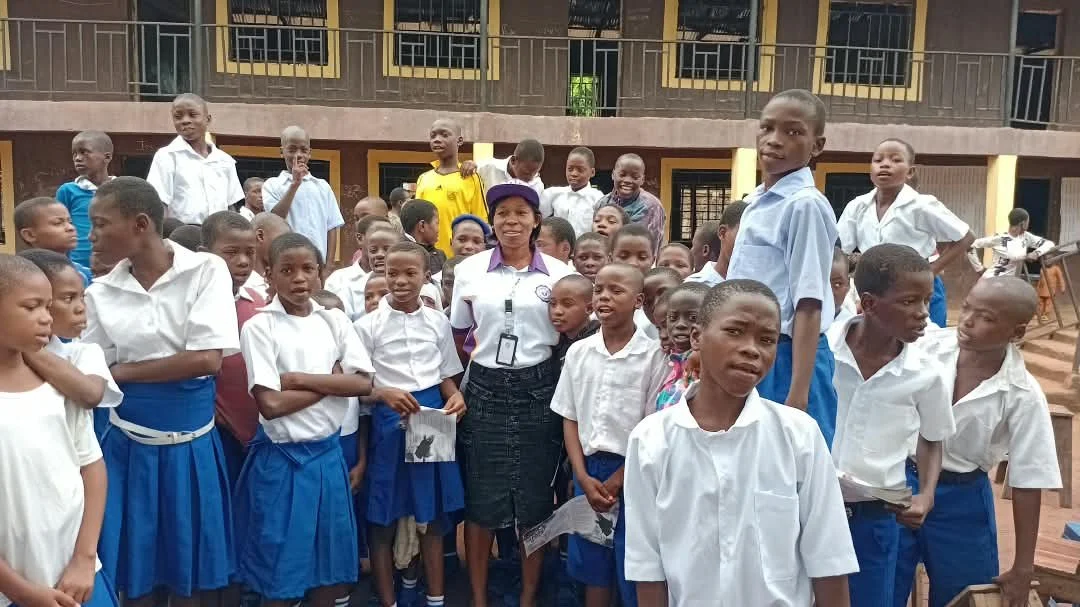
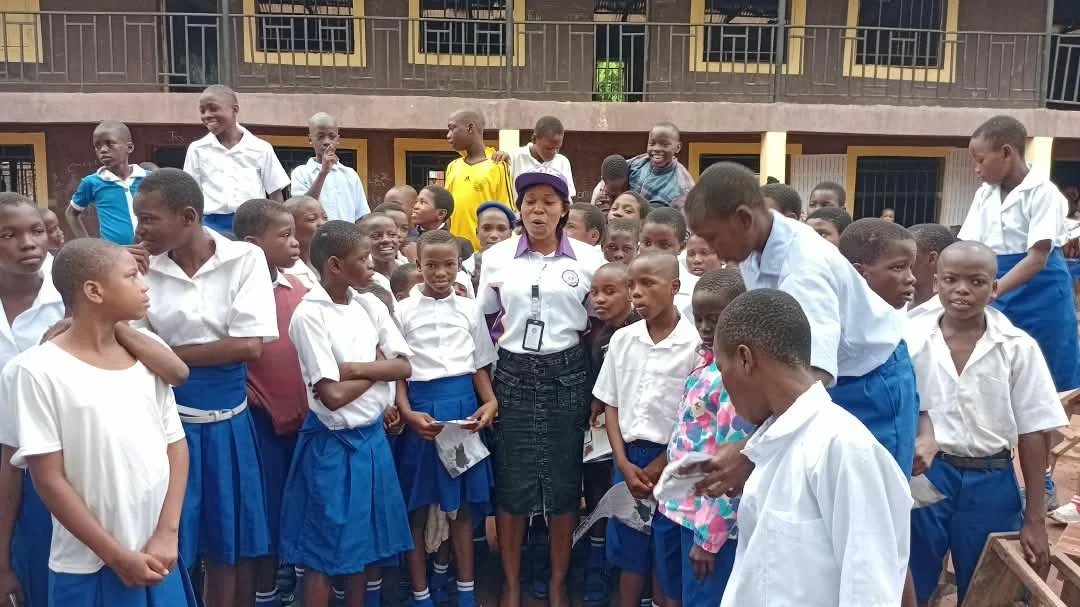
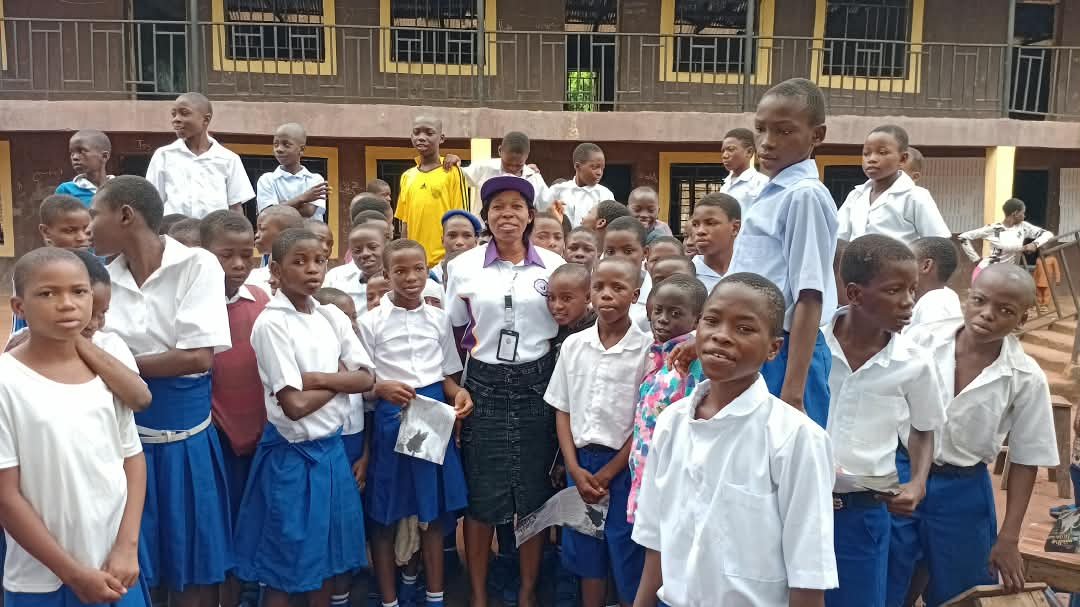
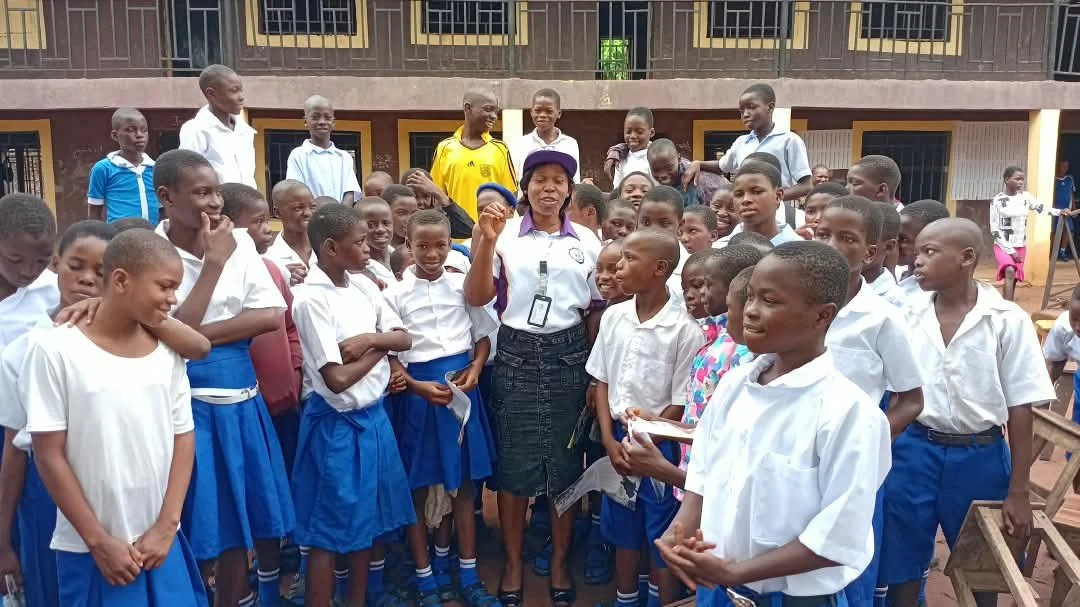
On 22 October 2026, an interactive mental health awareness session was conducted with approximately 500 junior and senior secondary school students (both boys and girls) at Ubogwu Commercial Secondary School, Ubogwu, Oru East Local Government Area, Imo State. The session focused on foundational concepts: what mental health is, the distinction between positive and negative mental health, and the 5Cs of mental health. These frameworks help young people understand that mental health is part of overall health, recognise protective factors, and build practical skills for emotional regulation and relationships. This community outreach was anchored by Mrs. Obileme Chinwendu, Imo State Programme Manager, Cope and Live Mental Health Awareness Foundation.
The session was highly interactive. Students actively participated in discussions, and questions and answers were thoroughly entertained, creating a safe space for curiosity and clarification. This approach moved beyond passive listening to genuine engagement.
Highlights
- Strong student participation and openness during the interactive segments.
- Direct address of common misconceptions through real-time Q&A.
- Delivery of age-appropriate, practical content tailored to secondary school learners in a local Imo State context.
Benefits of the Outreach
For the Students
The session increased mental health literacy among young people who, as noted, were largely naive about the topic. By clarifying what mental health means and introducing the 5Cs, students gained tools to recognise positive states (such as resilience and connection) and early signs of difficulty. Greater awareness reduces stigma, encourages help-seeking, and supports better emotional regulation, academic focus, and peer relationships. Research and global guidance show that school-based socioemotional learning improves wellbeing and academic performance while lowering risk behaviours. For these 500 students, the outreach planted seeds of self-awareness and confidence that can influence their daily choices and long-term trajectories.
For Their Families
Knowledge travels home. Students who understand mental health are better positioned to communicate with parents and siblings, identify distress in household members, and model healthier coping strategies. Early awareness can reduce family conflict, improve support for struggling adolescents, and lessen the secondary stress that untreated youth mental health challenges place on caregivers. In communities where mental health remains poorly understood, this intergenerational transfer of information strengthens family resilience and reduces isolation.
For Society as a Whole
Investing in adolescent mental health awareness yields substantial returns. WHO estimates that every dollar invested in adolescent mental health produces an estimated US$24 return over 80 years through improved education, productivity, and reduced long-term health and social costs.[](<https://www.who.int/news-room/commentaries/detail/children-and-young-people-s-mental-health--the-case-for-action>) By reaching hundreds of students in one session, this outreach contributes to a more informed generation of future workers, parents, and community leaders in Imo State. It helps break cycles of stigma, supports safer school environments, and advances broader goals of public health, social cohesion, and sustainable development. Regular school-based education is a practical, scalable way to build the emotionally resilient communities our foundation seeks to foster.
Recommendations
- Continue and expand regular mental health awareness sessions in schools across Imo State to build cumulative knowledge and skills.
- Integrate follow-up activities, peer education elements, or simple resource materials so that learning is reinforced beyond a single session.
- Explore collaboration with school authorities and parents to extend the impact into homes and the wider community.
This outreach exemplifies the foundation’s commitment to transforming lives through accessible education and stigma reduction. By equipping young people at a formative stage, we contribute directly to their holistic wellbeing and to the healthier families and society we envision.
Mrs. Obileme Chinwendu
Imo State Programmes Manager