The Contagion of Negative Emotions

Emotions are part of being human. Happiness, love and gratitude sit alongside anger, jealousy, sadness, fear, resentment and frustration. Negative emotions are not always harmful. They can warn us that something is wrong, protect our boundaries, and move us to act.
The problem begins when they become intense, persistent, or poorly managed and start to shape how we think, relate, and function. Mental health is more than the absence of illness. The World Health Organization describes it as a state of wellbeing that helps people cope with life’s stresses, use their abilities, work and learn well, and contribute to their communities.
Understanding Negative Emotions
Anger, jealousy, fear, guilt, shame, sadness, resentment and frustration are normal. A person may feel jealous when comparing achievements, angry after unfair treatment, sad after loss, or fearful in uncertainty. The aim is not to erase these feelings, but to recognise them, understand what they are signalling, and respond in healthier ways.
Effects on Mental Health, Wellbeing and Society
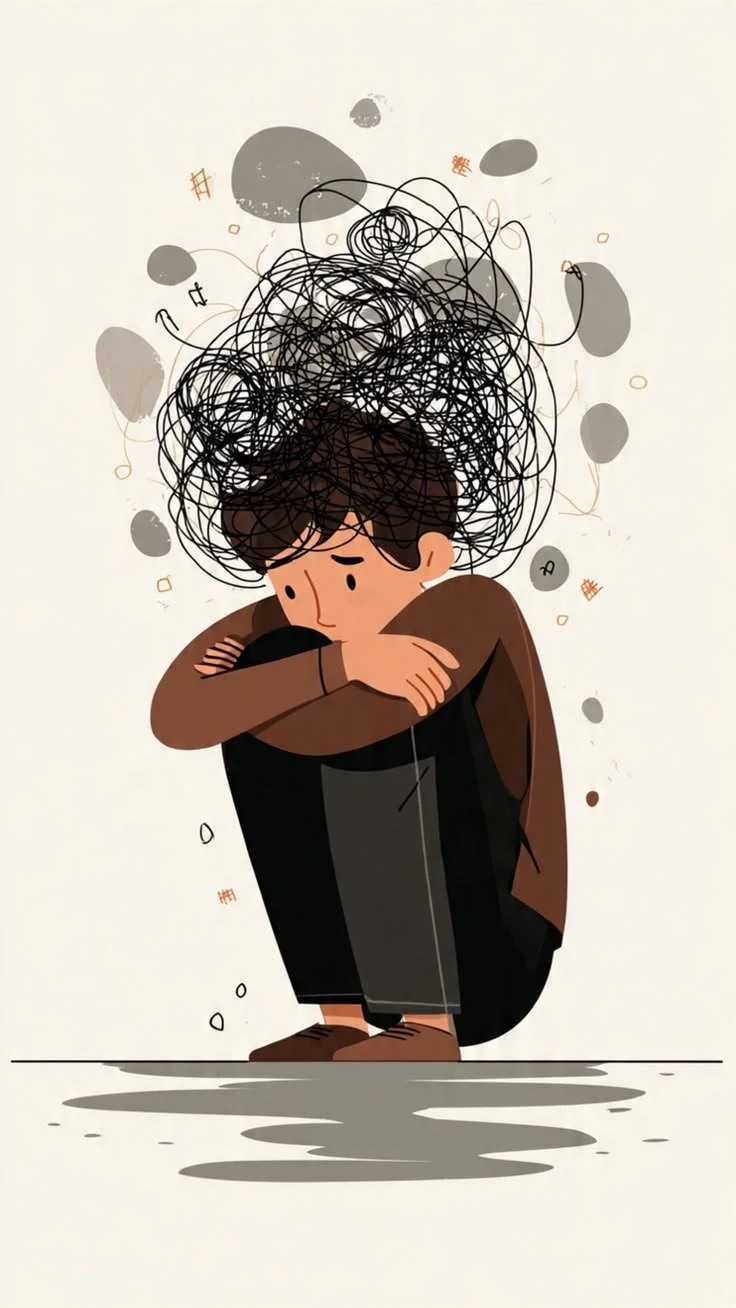
When difficult emotions go unprocessed, they can fuel distress. Persistent anger keeps the body tense and communication poor. Constant comparison weakens self-esteem. Prolonged fear, sadness or resentment can disrupt sleep, concentration, relationships and daily life. WHO notes that prolonged stress can affect both mental and physical health and may contribute to anxiety, depression and poor focus.
This does not mean every painful feeling is a disorder. Concern arises when distress lasts and begins to interfere with functioning. Research also shows that how we handle emotion matters. A meta-analysis of more than 21,000 people found that cognitive reappraisal—changing how we interpret a situation—was linked to better mental health, while some forms of suppression were linked to poorer outcomes.
The same patterns affect everyday life. Unmanaged anger makes rest difficult. Jealousy steals attention from personal progress. Rumination pulls people out of the present. Over time, this can weaken sleep, productivity, confidence and the ability to enjoy ordinary things. Healthy wellbeing is not forced positivity. It is the capacity to face uncomfortable emotions and respond constructively.
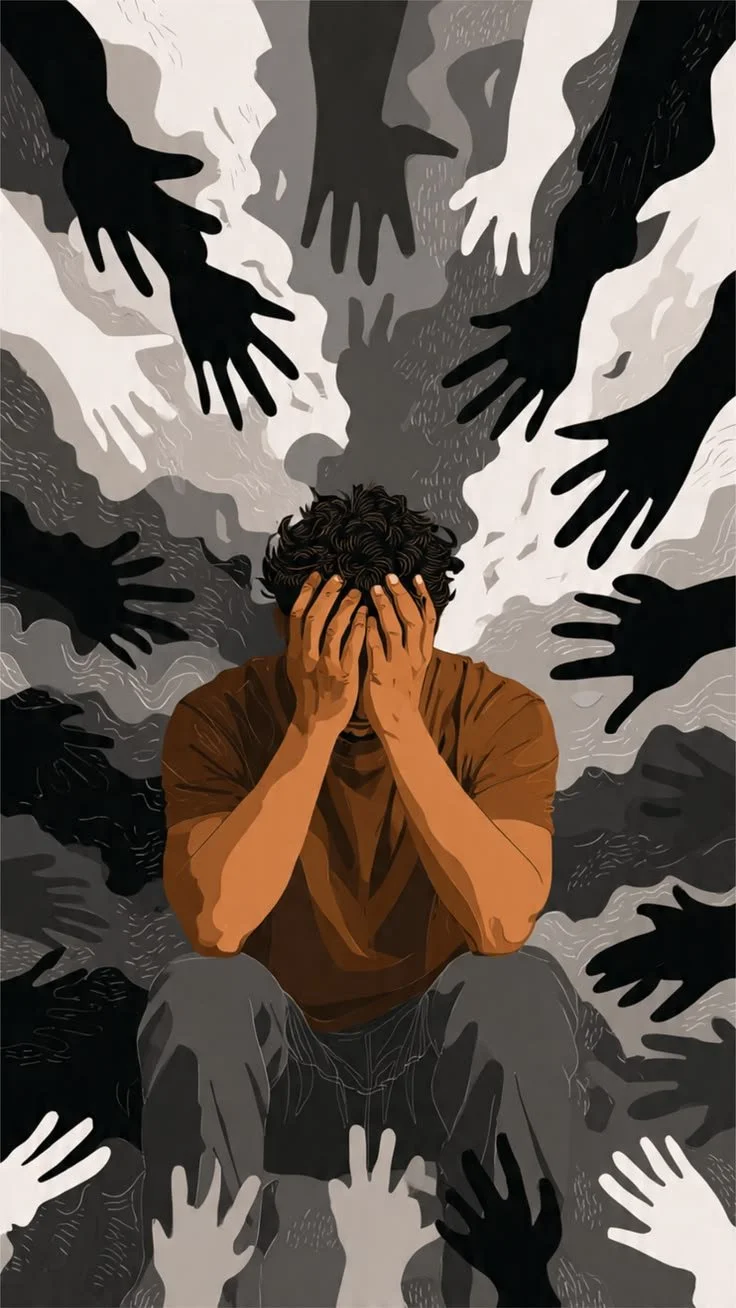
Emotions also travel outward. Unmanaged anger can damage relationships. Jealousy can breed mistrust. Resentment can isolate people and create unfair treatment. Repeated across families, workplaces and communities, these patterns replace cooperation with conflict. WHO identifies violence, poverty, discrimination, isolation and unsafe environments as risks to mental health, and strong social ties, safety and support as protective factors. Emotional wellbeing is therefore both a personal task and a shared responsibility.
How We Can Respond
Pause and name the feeling. Ask what triggered it and what is needed now. Give intense emotion time before reacting. Challenge assumptions and unbalanced comparisons. Talk to someone trusted. Care for sleep, movement, food and rest. Reduce unhealthy social-media comparison. Express emotion through journaling, prayer, exercise, creativity or conversation rather than harm. Seek professional help when distress begins to affect work, school, sleep, relationships or daily functioning. There is no shame in asking for help.
Parents, schools, workplaces and communities can also build a healthier emotional culture: teach awareness, encourage open conversation, reduce stigma, and practise empathy without excusing harm.
Recommendations
Sustainable development depends on human capital, and human capital includes emotional health. A nation whose people are mentally well is a stronger and wealthier nation.
Community interventions that help people regulate emotion, together with sustained mental health awareness, should be expanded. They should offer hope and compassion, not only information. Free community mental health checks and counselling should be available so people can get support early instead of bottling up anger and distress. Community sports centres and recreational parks should be encouraged, because shared physical activity can steady emotion, build resilience and open the door to self-discovery. There must also be a framework for addressing social injustices. Poverty, discrimination, violence and exclusion intensify negative emotion and can feed pathways into offending and crime.
This is the work Cope and Live Mental Health Awareness Foundation is already doing. We are a Nigerian NGO registered with the Corporate Affairs Commission and accredited by the International Association of Therapists (IAOTH), United Kingdom. We provide accessible mental health support, advocacy and education, with a strong focus on vulnerable communities. Our work has included free and low-cost counselling, school outreach, and psychosocial support for flood-affected families, survivors of sexual and gender-based violence, persons with disabilities, mothers, older persons, athletes, custodial-centre populations and returned citizens. Through Coli Mental Health Academy, we train educators, families, professionals and community leaders in stress management, anger management, child and adolescent mental health, and the psychology of emotions.
We are already putting these recommendations into practice: taking awareness into communities, offering hours of free counselling instead of silence, using art therapy and psychosocial sessions to build resilience, and linking emotional wellbeing to safer communities. Expanding this model through schools, local governments, faith communities, workplaces, sports facilities and justice-sector partnerships is one of the most practical ways to protect people and society. Call our toll-free number:080 0000 2673 or send us an email - info@copeandlive.foundation

Conclusion
Negative emotions are not the enemy. The question is not whether we will feel them, but how we respond. Recognition, pause, healthier thinking, supportive relationships, physical care and timely professional help can protect wellbeing.
A healthier society begins with people who understand their emotions and take responsibility for how they are expressed. At Cope and Live Mental Health Awareness Foundation, we believe this work can be taught, practised and taken into communities. Emotional wellbeing is not feeling positive all the time. It is having the awareness, skills, support and resources to navigate the full range of human emotion in constructive ways.
References / Further Reading
World Health Organization (WHO). Mental health: strengthening our response. https://www.who.int/en/news-room/fact-sheets/detail/mental-health-strengthening-our-response
World Health Organization (WHO). Stress. https://www.who.int/news-room/questions-and-answers/item/stress
World Health Organization (WHO). Social connection. https://www.who.int/news-room/questions-and-answers/item/social-connection
Hu, T., Zhang, D., Wang, J., Mistry, R., Ran, G., & Wang, X. (2014). Relation between emotion regulation and mental health: A meta-analysis review. Psychological Reports, 114(3), 751–770.
Cope and Live Mental Health Awareness Foundation. https://www.copeandlive.foundation
The writer, Chiamaka Okochi is a medical biochemist and Lecturer II at Godfrey Okoye University College of Medicine, with experience in community health, HIV/AIDS awareness, disease prevention, health education, laboratory screening, research, data analysis, scientific writing, and student mentoring. She is also a volunteer with CALMHAF.