Mental Health Resources & Outreach News – Read, Comment & Share

Cope and Live Mental Health Awareness Foundation Announces Program for Mental Health Awareness Month and First Anniversary
The Cope and Live Mental Health Awareness Foundation (CLIMHAF) is pleased to unveil its program of activities to commemorate World Mental Health Awareness Month and the Foundation’s first anniversary. Speaking on May 1, 2025, in Enugu, Executive Director Reverend Chukwudiebube Nwachukwu outlined the planned initiatives, emphasizing the Foundation’s commitment to community service, impactful outreach, and sustainable development.
Throughout May 2025, CLIMHAF will mark both World Mental Health Awareness Month and its first year of operation with a series of targeted activities. Reverend Nwachukwu announced that the Foundation will offer free counseling services across the month, dedicated to supporting diverse communities, including:
Widows, Widowers, and the Elderly (65+): Support for grief, loneliness, and life transitions.
Survivors of Sexual and Gender-Based Violence (SGBV): Tailored counseling for resilience, recovery, and empowerment.
Persons with Impairments: Specialized mental health support to promote inclusion and well-being.
Women Experiencing Antenatal/Postpartum Depression: Compassionate maternal mental healthcare.
Athletes and Coaches: Counseling to enhance performance, productivity, and mental resilience.
These services will be accessible in all 12 states where CLIMHAF operates. Individuals and communities are encouraged to contact the Foundation at +2348148318965 to access these free counseling services.
Reverend Nwachukwu called on community members and stakeholders to join CLIMHAF in its ongoing efforts to promote mental wellness and empower lives through compassion and sustainable initiatives. This dual celebration underscores the Foundation’s dedication to fostering mental health awareness and creating lasting positive change across Nigeria.

Partnership Report: Rapha Technologies Limited and Cope and Live Mental Health Awareness Foundation
The critical need to enhance mental health awareness, education, and support to combat stigma and address mental health challenges underscores the importance of this partnership between Rapha Technologies Limited (Raphatech) and Cope and Live Mental Health Awareness Foundation (Cope and Live). This collaboration aims to integrate innovative digital healthcare solutions with mental health advocacy to create sustainable, impactful outcomes for communities in Enugu, Nigeria, and beyond.
About Rapha Technologies Limited
Rapha Technologies Limited, a private limited liability company based in Enugu, Southeast Nigeria, specializes in digital healthcare solutions, including telemedicine services and micro-life insurance products. Raphatech’s mission is to deliver accessible healthcare to all societal segments, leveraging technology to bridge gaps in healthcare delivery.
About Cope and Live Mental Health Awareness Foundation
Cope and Live is a non-governmental organization dedicated to transforming lives through mental health awareness, advocacy, support, and education. The foundation focuses on vulnerable populations, including inmates, flood survivors, and individuals with impairments, providing psychosocial support and educational initiatives.
Purpose of the Partnership
Recognizing the complementary nature of their missions, Raphatech and Cope and Live have forged a strategic partnership to amplify their impact. Raphatech’s expertise in telemedicine and digital health solutions aligns with Cope and Live’s focus on mental health education and psychosocial support. This collaboration leverages the strengths of both organizations to deliver integrated healthcare and mental health solutions, particularly for underserved populations such as inmates, crisis-affected communities, schools, and sports organizations.
The partnership aims to:
Integrate telemedicine into mental health programs to enhance access to remote consultations for underserved groups, including flood survivors and custodial center inmates.
Provide mental health education to Raphatech’s clients, including corporate partners, business owners, and private residences, as a value-added service.
Develop a mental health module to support Cope and Live’s COLI Mental Health Academy, enabling digital training for diverse groups such as educators, sports coaches, athletes, and healthcare providers.
Key Collaborative Initiatives
Telemedicine Integration: Raphatech will provide a telemedicine platform, including services like E-Term and Alat-Health Connect, to support Cope and Live’s mental health outreach programs. This will enable remote mental health consultations for individuals in underserved or crisis-affected areas.
Mental Health Education: Cope and Live will deliver mental health education and psychosocial support to Raphatech’s clients, enhancing the value of Raphatech’s digital health offerings.
COLI Mental Health Academy Support: Raphatech will offer technical expertise to develop digital training modules for the COLI Mental Health Academy, strengthening its capacity to train individuals and organizations on holistic well-being.
Joint Community Programs: The partnership will facilitate access to custodial centers, schools, and communities for collaborative initiatives, ensuring broader reach and impact.
Mutual Benefits
Expanded Reach: Cope and Live gains access to Raphatech’s telemedicine technology, extending its mental health programs to remote and underserved populations.
Enhanced Service Offerings: Raphatech strengthens its digital health portfolio with mental health education and psychosocial support services.
Community Impact: Both organizations achieve synergistic impact through resource sharing, innovation, and holistic support, fostering sustainable community development.
Increased Credibility: The partnership enhances the credibility of both organizations through collaborative, high-impact initiatives.
Responsibilities
Rapha Technologies Limited:
Provide access to its telemedicine platform, including toll-free call services, for Cope and Live’s mental health programs (upon establishment of Rapha Health).
Offer technical support for developing digital training modules for the COLI Mental Health Academy.
Collaborate on joint marketing efforts to promote partnership initiatives to clients and partners.
Cope and Live Mental Health Awareness Foundation:
Deliver mental health education and psychosocial support to Raphatech’s clients and target populations.
Facilitate access to custodial centers, schools, and communities for joint programs.
Provide feedback on the effectiveness of telemedicine services in supporting mental health initiatives.
Conclusion
This partnership between Rapha Technologies Limited and Cope and Live Mental Health Awareness Foundation represents a transformative step toward integrating digital healthcare and mental health advocacy. By combining their respective strengths, both organizations are poised to deliver innovative, accessible, and sustainable solutions that address the pressing mental health needs of communities in Nigeria and beyond.

Psychosocial Engagement Report: Cope and Live-CAPIO Initiative in Enugu Custodial Centers
Mental health is a cornerstone of human well-being, influencing physical, emotional, and social functioning. For individuals within custodial environments—both correctional officers and inmates—maintaining mental, psychological, and emotional stability is critical to fostering a safe, rehabilitative, and productive system. Correctional officers bear the weight of significant responsibilities, managing complex and often high-stress environments that demand resilience, emotional intelligence, and professional acumen. Prolonged exposure to stressors such as environmental challenges, societal expectations, family pressures, and the emotional toll of their duties can undermine their mental health, potentially impacting their ability to perform effectively and uphold the principles of rehabilitation.
For inmates, the custodial setting can exacerbate pre-existing mental health challenges or trigger new ones. Factors such as isolation, stigma, loss of autonomy, and limited access to mental health resources often lead to negative coping mechanisms, including substance abuse, self-harm, or withdrawal. These behaviors not only hinder personal growth but also obstruct the rehabilitative goals of the correctional system. The need for psychosocial interventions in custodial centers is thus twofold: to empower correctional officers with tools to manage stress, transform anxieties into constructive action, and enhance their capacity to support inmates; and to promote mental, emotional, and social well-being among inmates, equipping them with skills to overcome negative self-talk, rebuild hope, and adopt healthier lifestyles.
Recognizing these needs, the Cope and Live Mental Health Awareness Foundation, in partnership with the Carmelite Prisoners’ Interest Organization Nigeria (CAPIO), initiated a comprehensive psychosocial engagement program targeting three custodial centers in Enugu State. This initiative aimed to foster mental health awareness, provide education, and implement practical strategies to enhance the well-being of both correctional staff and inmates, ultimately contributing to a more effective and humane correctional system.
Introduction
The psychosocial engagement program, conducted between January 21, 2025, and April 3, 2025, targeted three custodial centers in Enugu State: Nsukka Custodial Centre, Oji River Custodial Centre, and Enugu Maximum Custodial Centre. This collaborative effort between the Cope and Live Mental Health Awareness Foundation and CAPIO was designed to address critical mental health challenges within the custodial system through targeted interventions. The program was anchored on three key objectives:
Supporting Correctional Officers’ Mental Health and Professional Capacity: Correctional officers operate in high-pressure environments characterized by environmental stressors, societal scrutiny, and emotional demands. These factors can compromise their mental health, leading to burnout, reduced empathy, or impaired decision-making, all of which affect inmate well-being and the correctional process. The intervention provided officers with mental health education, equipping them with strategies to maintain psychological, emotional, and social resilience. Officers were trained to recognize and manage various emotions—both their own and those of inmates—using professional approaches such as patience, empathy, and stress management techniques. This training aimed to enhance their productivity, strengthen their role in rehabilitation, and foster a supportive environment for inmates.
Addressing Inmates’ Mental Health and Coping Mechanisms: Many inmates face mental health challenges, including depression, anxiety, and substance abuse, often as a means of escaping the harsh realities of incarceration. The intervention offered psychosocial support to help inmates address these issues, promoting healthier coping mechanisms and fostering mental and emotional resilience. Through workshops and counseling, inmates were encouraged to reframe negative emotions, build hope, and develop skills to navigate their challenges without resorting to harmful behaviors.
Enhancing the Correctional System Through Rehabilitation: A robust correctional system prioritizes rehabilitation over mere containment, preparing inmates to reintegrate into society as reformed and responsible citizens. The psychosocial engagement equipped correctional officers with knowledge and techniques to facilitate effective rehabilitation, ensuring that inmates’ time in custody leads to meaningful change. By fostering a culture of mental health awareness, the program aimed to reduce recidivism and support inmates’ successful reintegration into society.
Program Implementation
The engagement program employed a multifaceted approach, including workshops, group discussions, one-on-one counseling sessions, and mental health awareness campaigns tailored to the unique needs of each custodial center. Topics covered included stress management, emotional regulation, conflict resolution, and the importance of self-care for correctional officers, as well as coping strategies, substance abuse prevention, and goal-setting for inmates. The program also facilitated open dialogues between officers and inmates to build trust and mutual understanding, creating a more collaborative and rehabilitative environment.
Conclusion
The psychosocial engagement program spearheaded by the Cope and Live Mental Health Awareness Foundation in partnership with the Carmelite Prisoners’ Interest Organization Nigeria (CAPIO) marks a transformative milestone in addressing the mental health needs of correctional officers and inmates across Enugu State’s custodial centers. By equipping officers with the knowledge and tools to navigate stress, foster emotional resilience, and approach their roles with empathy and professionalism, the initiative has fortified their capacity to drive meaningful rehabilitation. For inmates, the program has been a lifeline, offering critical support to overcome mental health challenges, replace destructive coping mechanisms with constructive strategies, and rekindle hope for a brighter future.
The ripple effects of this initiative extend far beyond the walls of Nsukka, Oji River, and Enugu Maximum Custodial Centres. By cultivating a culture of mental health awareness and education, the program has laid the foundation for a more humane, effective, and sustainable correctional system—one that prioritizes rehabilitation over punishment and empowers inmates to reintegrate into society as reformed, responsible citizens. This holistic approach not only reduces the risk of recidivism but also fosters safer communities, demonstrating that mental health is a cornerstone of social progress.
The success of this program serves as a powerful call to action. It underscores the urgent need for ongoing investment in mental health initiatives within custodial systems and highlights the transformative potential of collaborative partnerships. By championing the psychological and emotional well-being of all stakeholders, we can redefine the purpose of incarceration, turning custodial centers into spaces of healing, growth, and second chances. This initiative is a beacon of hope, illuminating a path toward a more just, compassionate, and inclusive society where every individual is empowered to thrive.

Shocking Insights from Kids’ Art Therapy Bootcamp: Why Mental Health Education Can’t Wait
The three-day art therapy bootcamp for children aged 6–12 held by Cope and Live Mental Health Awareness Foundation revealed critical insights into the emotional and psychological challenges faced by young participants drawn from different schools in Enugu, underscoring the urgent need for targeted mental health awareness and education to promote holistic well-being. Key issues observed included name-calling, lack of resilience, and indecision, each with significant short- and long-term consequences if not addressed. Below, we outline these issues, their effects on children, and the potential negative outcomes if they persist into adulthood.
1. The Problem of Name-Calling
Issue and Effects on Children: Participants frequently reported being subjected to derogatory labels such as “duck mouth,” “fool,” “dummy,” "idiot", “fatty bum bum,” and “ugly duckling” from peers, teachers, parents, and others. These labels significantly undermined their self-confidence, self-esteem, and overall mental well-being. The internalization of such names fostered negative self-perceptions, leading to reduced motivation, impaired social interactions, and diminished academic performance. During art-based exercises, children visually expressed feelings of anger, worry, and sadness, often linking these emotions to the impact of name-calling.
Long-Term Consequences if Unaddressed: If carried into adulthood, the effects of name-calling can manifest as chronic low self-esteem, social anxiety, and difficulty forming healthy relationships. Adults who internalize negative labels may struggle with professional confidence, experience higher rates of depression, and exhibit self-sabotaging behaviors, limiting personal and career growth.
2. The Issue of Lack of Resilience
Issue and Effects on Children: Many children displayed a lack of social, mental, and emotional resilience, with some expressing feelings of despair and exhaustion due to pressures such as bullying, academic stress, parental expectations, and neglect. A few participants admitted to contemplating giving up on life, highlighting the severity of their emotional distress. This lack of resilience hindered their ability to cope with challenges, manage emotions, and maintain positive peer relationships.
Long-Term Consequences if Unaddressed: Without intervention, a lack of resilience in childhood can lead to poor stress management, increased vulnerability to mental health disorders, and difficulty navigating setbacks in adulthood. Adults with low resilience may struggle with workplace challenges, exhibit avoidance behaviors, and face heightened risks of burnout or substance abuse as maladaptive coping mechanisms.
3. The Challenge with Indecision
Issue and Effects on Children: Indecision was prevalent among participants, particularly during painting exercises, where many struggled to make choices or commit to decisions. This behavior reflects underlying anxiety, fear of failure, or lack of confidence, which can impede problem-solving and independent thinking. Indecision also contributed to frustration and disengagement during activities, further affecting their emotional well-being and participation.
Long-Term Consequences if Unaddressed: Persistent indecision can evolve into chronic procrastination, fear of risk-taking, and difficulty with career and life planning in adulthood. Adults who struggle with decision-making may experience stalled professional growth, strained relationships, and a pervasive sense of unfulfillment due to missed opportunities.
Summary of Program Interventions
To address these issues, the bootcamp implemented targeted interventions:
Mental Health Awareness and Education: Conducted by trained child psychologist Mrs. Uzoamaka Nwachukwu, these sessions equipped children with tools to identify and manage emotions, build self-esteem, and develop coping strategies.
Multi-Sport Activities: Led by certified trainer-coach Ebere Amaraizu, Chairman of Rangers International Football Club Foundation, these activities promoted teamwork, confidence, and emotional resilience.
Conclusion and Recommendation
The observations from the bootcamp highlight the critical need for intensive mental health education and support for children and adolescents. Name-calling, lack of resilience, and indecision not only impair children’s immediate well-being but also pose significant risks to their long-term mental health and success. By fostering emotional intelligence, resilience, and confidence through structured interventions, we can empower young individuals to overcome these challenges and thrive into adulthood. Continued investment in holistic well-being programs is essential to ensure children develop the skills needed for a healthy, productive future. To address these critical issues and foster success, emotional and physical resilience, self-awareness, and holistic well-being in children, we invite schools to schedule a visit with our team. Please contact us by emailing info@copeandlive.foundation or calling 08148318965 to arrange a program tailored to your students’ needs.

Over 7 million Nigerians suffer from depression - WHO
The CEOWORLD magazine article, published on January 13, 2025, ranks 197 countries based on stress levels across four categories: work-related stress, money-related stress, social and family-related stress, and health and safety-related stress.
Nigeria’s Ranking: According to the 2025 CEOWORLD magazine survey, Nigeria ranks 180 out of 197 countries for stress levels. Countries reporting higher stress levels include Sierra Leone, Liberia, Somalia, Democratic Republic of the Congo, Niger, Mozambique, Eritrea, Sudan, North Korea, Madagascar, Central African Republic, Yemen, Malawi, Syria, Afghanistan, South Sudan, and Burundi, with Burundi identified as the most stressed nation. In addition, related sources, such as a Statista report from 2023, indicate Nigeria is among the most stressed nations, with around 62% of respondents reporting stress the previous day.

Mental Health 101: A Beginner’s Course: Mastering Mental Health in Record Time
Day 1: Do Lesson 1 (Garden Check-In). Spend 10 minutes reflecting.
Goal: Understand mental health basics, learn practical tools, and build habits to thrive mentally in a short time.
Timeline: Practice one lesson daily for 5 days, spending 10-15 minutes per day. Repeat or revisit as needed to master.
Lesson 1: What Is Mental Health?
Concept: Mental health is how well your mind thinks, feels, and copes with life’s ups and downs. It’s not just the absence of problems (like depression or anxiety) but also the presence of positive traits, like resilience and joy. Everyone has mental health, just like everyone has physical health.
Analogy: Think of your mind as a garden. A healthy garden has blooming flowers (positive emotions), strong roots (coping skills), and regular care (habits like rest or reflection). Weeds (stress, negative thoughts) pop up sometimes, but with care, you keep the garden thriving.
Why It Matters: Understanding mental health helps you spot when your “garden” needs attention and gives you tools to nurture it.
Practical Exercise: The Garden Check-In (10 min)
Grab a notebook or phone. Write down how your “mental garden” feels today:
What’s blooming? (e.g., “I felt happy talking to a friend.”)
Any weeds? (e.g., “I’m worried about work.”)
What needs care? (e.g., “I need more rest.”)
Rate your overall mental health from 1 (struggling) to 10 (thriving).
End by writing one thing you’ll do today to care for your garden (e.g., “Take a 5-minute walk.”).
Tip to Stick: Do this check-in each morning for a week, like checking the weather. It builds self-awareness, a key mental health skill. Studies show self-monitoring improves emotional regulation (Gross, 1998). Add a prayer to the Garden Check-In: “Lord, help me tend the mind You gave me.”

Do I Suffer From Borderline Personality Disorder (BPD)?
Borderline Personality Disorder (BPD) is a complex and often misunderstood mental health condition characterized by intense emotions, unstable self-image, impulsive behaviors, and a profound fear of abandonment. Individuals with BPD may experience emotions more intensely and for longer durations, making daily life feel overwhelming.
What BPD Feels Like
Living with BPD can involve:
Rapid, intense mood swings that feel unpredictable.
Black-and-white thinking, where people or situations are seen as all good or all bad.
Impulsive actions, such as overspending, substance use, or self-harm, often followed by regret.
Persistent feelings of emptiness or uncertainty about one’s identity.
Turbulent relationships driven by emotional highs and lows.
These experiences can lead to shame and guilt, as many with BPD are aware of how their behaviors affect others. Unfortunately, stigma often labels them as “toxic” or “manipulative,” discouraging them from seeking help.
Breaking the Stigma
BPD is not a life sentence. With evidence-based treatments like Dialectical Behavior Therapy (DBT), individuals can learn to regulate emotions, build healthier relationships, and lead fulfilling lives. Recovery is achievable with the right support.
How to Support Someone with BPD
Educate Yourself: Understanding BPD reduces judgment and fear.
Show Compassion: Recognize that individuals are not defined by their symptoms.
Encourage Treatment: Professional therapy and support can transform lives.
Set Healthy Boundaries: Offer support while maintaining mutual respect and well-being.
BPD is a serious but manageable condition. If you or a loved one is struggling, seek professional help without hesitation. With care, commitment, and resources, individuals with BPD can thrive.

Sparking awareness about bipolar disorder
Every March 30th, the world marks World Bipolar Day, a day dedicated to increasing awareness and understanding of bipolar disorder. Despite its prevalence, misconceptions and stigma continue to cloud the reality of this condition, leaving many to suffer in silence.
How You Can Help
Listen without judging
Encourage treatment
Spot warning signs like a sudden spending spree or withdrawal.
Understanding Bipolar Disorder
Bipolar disorder is a complex mental health condition characterized by profound mood swings, ranging from episodes of heightened energy and euphoria (mania or hypomania) to intense sadness and despair (depression). These shifts transcend typical emotional fluctuations, deeply impacting an individual’s thoughts, behaviors, and ability to function in daily life.
The Connection to Childhood Abuse and Unresolved Grief
For some, bipolar disorder may be linked to childhood trauma, such as abuse or unresolved grief. Experiences of emotional, physical, or sexual abuse can impair emotional regulation, heightening the risk of mood instability later in life. Similarly, unaddressed grief—stemming from loss, abandonment, or neglect—can produce persistent emotional distress, manifesting as the dramatic highs and lows associated with bipolar disorder. When these early wounds remain unhealed, they may contribute to the condition’s unpredictable nature.
Recognizing the Signs and Symptoms
Manic Episodes: Marked by surging energy, reduced need for sleep, rapid speech, impulsive decision-making, and excessive confidence or irritability.
Depressive Episodes: Characterized by persistent sadness, loss of interest in activities, fatigue, difficulty concentrating, feelings of worthlessness, and, in severe cases, suicidal thoughts.
Mood Cycling: Some individuals experience rapid shifts between extremes, while others endure prolonged periods of stability punctuated by episodic relapses.
The Burden of Stigma
Stigma surrounding bipolar disorder remains a significant barrier to care. Too often, those affected are misjudged as unstable or dismissed as overly emotional, fostering isolation, fear of judgment, and delays in diagnosis. These misconceptions compound the challenges of managing the condition, leaving many without the support they need.
Managing Bipolar Disorder
With appropriate treatment, lifestyle modifications, and robust support networks, individuals with bipolar disorder can thrive and lead meaningful lives. Effective management often combines medication, evidence-based therapies, self-care strategies, and nurturing relationships to promote long-term stability.
Breaking the Silence
Bipolar disorder does not define a person—it is a condition, not an identity. Through understanding, empathy, and education, we can transform lives. On this World Bipolar Day, let’s confront stereotypes, uplift those impacted, and champion mental health care free from shame or prejudice. If you or a loved one is struggling, professional help is available—mental health is a priority worth pursuing.
“It’s a real condition, not a personality flaw.”
“It affects about 1-3% of people worldwide, often showing up in late teens or early adulthood.”
"Mania isn’t ‘fun.’ Depression isn’t ‘sad.’
“Not leaving bed for weeks. That’s bipolar."
“it’s a brain-based illness—MRI studies show differences in activity, especially in the prefrontal cortex. “It’s not weakness; it’s wiring.”
"Bipolar: 3 days awake, 3 weeks crashed. It’s not mood swings—it’s a brain on fire."
"1 in 50 have bipolar. Your ‘dramatic’ friend might just need help."
"It’s not a choice. It’s chemistry. Stop telling them to ‘snap out of it.’"
"Bipolar stole her job, her sleep, her peace. Awareness might’ve saved them."
"Highs so high you jump off roofs. Lows so low you don’t get up. Bipolar isn’t invisible—it’s ignored."
"Think lithium’s a cure? It’s a lifeline. Bipolar’s a battle, not a phase."

Time's Up on SGBV: Rise, Empower, and Fight for a Violence-Free Future
SGBV thrives in environments of power imbalance between men and women. In family units, it's exacerbated by economic pressures, job losses, death of loved ones, or unmet emotional needs, leading to toxic atmospheres that harm children—the future of society—by modeling aggressive behaviors and vulnerabilities.

Cope and Live Mental Health Awareness Foundation starts mushroom farming training with 2-day psychosocial event for skill center candidates
The Cope and Live Mental Health Awareness Foundation, in collaboration with Coli Mental Health Academy, launched a 6-week intensive mushroom farming training program for selected candidates on March 18, 2025, in Enugu. The program began with a 2-day psychosocial engagement and training session, designed to enhance participants' self-awareness, goal-setting, and decision-making skills, while introducing them to mushroom farming.
CURRICULUM
The training curriculum includes: Week 1 (2 days) - Mushroom Business and Psychosocial Awareness; Week 2 (2 days) - hands-on substrate formulation, pasteurization, and inoculation; Weeks 3-5 - follow-up activities; and Week 6 (1 day) - fruiting room experience and trainee evaluation. Starter packs will be provided to participants to kickstart their mushroom farming ventures, fostering economic empowerment and sustainable livelihoods.
AIM
Reverend Chukwudiebube Nwachukwu, Executive Director of Cope and Live Mental Health Awareness Foundation and COLI Mental Health Academy, emphasized that the initiative aims to empower vulnerable individuals, offering financial independence and positive pathways to become societal assets. The program targets at least 20 participants, both male and female, through a hybrid physical and virtual format.
FOCUS
Skill Acquisition Centre Manager Michael Osiagor highlighted the program's focus on redirecting vulnerable individuals from crime and disorder, integrating psychosocial engagement to unlock participants' potential and address past challenges through cognitive behavioral training.
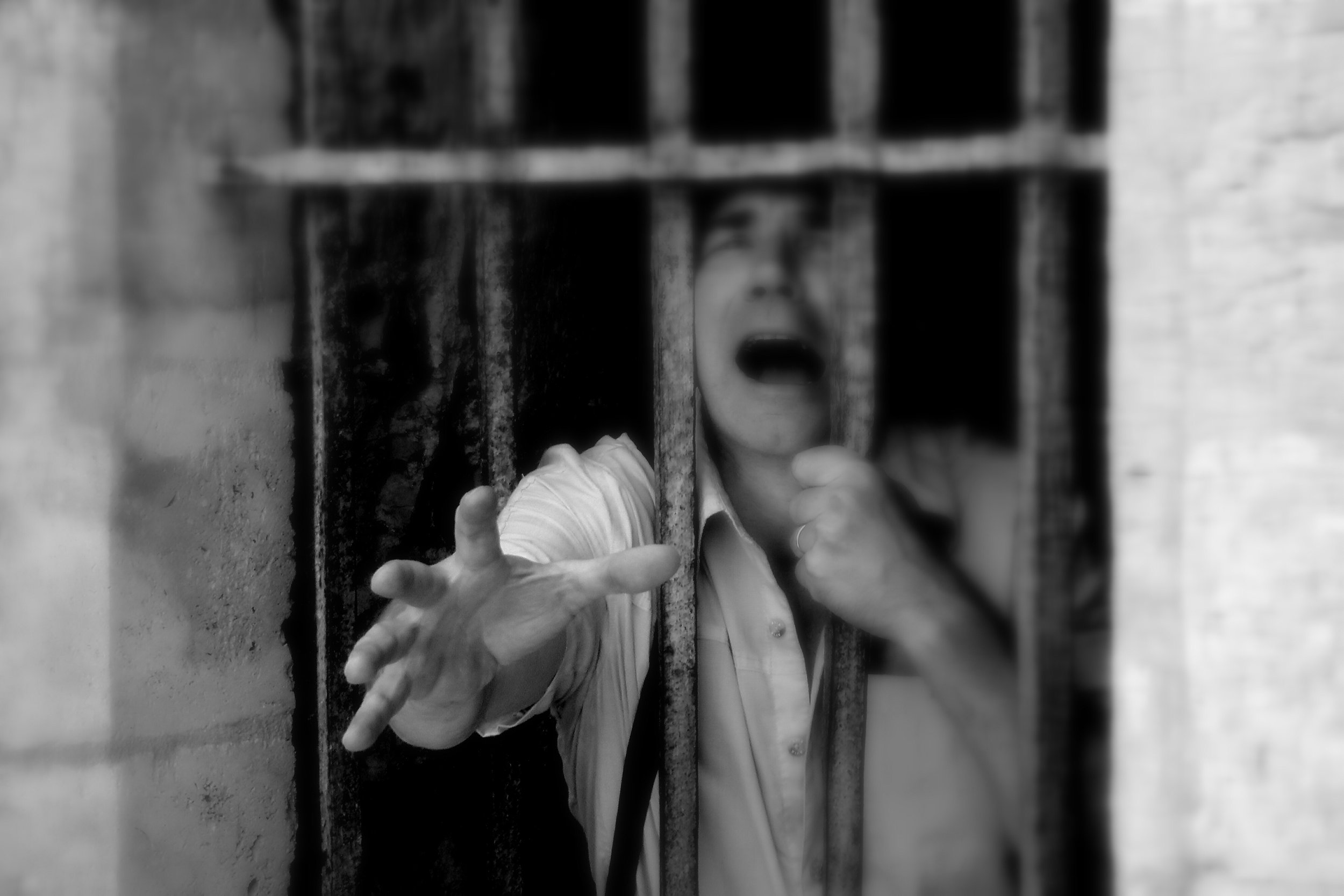
A Call for Empathy - Incarceration and Mental Health
This article looks at the Psychological wellbeing of incarcerated persons and why empathy is important, as well as its significance which can be understood through ethical, practical, and societal lenses. Here’s a breakdown of why:
Ethical Perspective
Empathy—understanding and sharing the feelings of others—is a cornerstone of human dignity. Incarcerated individuals, despite their crimes, remain human beings with emotions, histories, and potential for change. Denying them empathy risks dehumanizing them, which contradicts the principle that all people deserve basic respect, regardless of their actions. Studies in criminology, like those from restorative justice advocates (e.g., Zehr, 1990), argue that recognizing the humanity of offenders fosters accountability and healing rather than just punishment.
Practical Perspective
Empathy can improve outcomes within the justice system. Prison staff who show empathy—such as guards or counselors—can build trust, reducing tension and violence. A 2018 study in The Prison Journal found that empathetic interactions between staff and inmates correlated with lower rates of recidivism, as inmates felt more supported in rehabilitation efforts. For example, programs like Norway’s humane prison model, which emphasizes empathy and respect, boast recidivism rates as low as 20%, compared to 60-70% in more punitive systems like the U.S. Empathy also aids mental health; incarcerated individuals often face trauma, and empathetic engagement can mitigate despair, suicide risk, or aggression.
Societal Perspective
Most incarcerated people will eventually return to society—about 95% in the U.S., per Bureau of Justice Statistics. Showing empathy during incarceration can influence their reintegration. If they experience only hostility or indifference, they’re more likely to reoffend, perpetuating crime cycles. Conversely, empathy can encourage personal growth, as seen in initiatives like victim-offender mediation, where understanding between parties reduces resentment and fosters reform. A society that values empathy toward the incarcerated signals a commitment to rehabilitation over retribution, potentially lowering long-term crime rates.
Counterpoints and Balance
Critics might argue that empathy could be misinterpreted as leniency, undermining justice for victims. However, empathy doesn’t negate accountability—it complements it by addressing root causes like poverty or mental illness, which punishment alone often overlooks. The challenge lies in balancing empathy with fairness, ensuring it doesn’t excuse harm but promotes transformation.
Psychological Well-being of incarcerated individuals
Mental health issues among incarcerated individuals are a significant public health concern. The prison environment can exacerbate pre-existing mental health problems and contribute to the development of new ones. This handout aims to provide an overview of the mental health issues faced by incarcerated individuals, the contributing factors, the impact of incarceration on mental health, and potential solutions.
1. Prevalence of Mental Health Issues in Prisons
In Nigeria, incarcerated individuals face significant mental health challenges. Studies indicate high prevalence rates of psychiatric disorders among prisoners, with depression and anxiety being particularly common.
A study in a medium-security prison in Benin City found that 80.6% of inmates exhibited general psychiatric morbidity, with 72.6% showing symptoms of depression and 77.8% experiencing anxiety.
Research in an underserved prison in northwestern Nigeria reported that 47.4% of inmates had psychiatric disorders, with major depression being the most prevalent at 23.2%.
Comorbidity: Many incarcerated individuals with mental health issues also struggle with substance use disorders.
2. Common Mental Health Disorders Among Incarcerated Individuals
a. Mood Disorders:
Depression
Bipolar Disorder
b. Anxiety Disorders:
Generalized Anxiety Disorder (GAD)
Post-Traumatic Stress Disorder (PTSD)
c. Psychotic Disorders:
Schizophrenia
Schizoaffective Disorder
d. Substance Use Disorders:
Alcohol Use Disorder (AUD)
Opioid Use Disorder (OUD)
e. Personality Disorders:
Antisocial Personality Disorder
Borderline Personality Disorder
3. Contributing Factors to Mental Health Issues in Incarceration:
Several factors contribute to the deteriorating mental health of incarcerated individuals in Nigeria:
i. Overcrowding: Prisons often operate beyond their capacity, leading to stressful living conditions.
ii. Extended Pretrial Detention: A significant number of inmates are awaiting trial, leading to uncertainty and anxiety.
iii. Inadequate Healthcare Services: There is a shortage of mental health professionals in prisons, resulting in insufficient care.
iv. Stigma and Misunderstanding: Mental health conditions are often misunderstood, leading to neglect and abuse.
v. Pre-existing Conditions: Many inmates enter prison with undiagnosed or untreated mental health disorders.
vi. Trauma: High rates of trauma, including childhood abuse, domestic violence, and community violence, are prevalent among incarcerated individuals.
vii. Stressors of Prison Life: Incarceration can include overcrowding, poor living conditions, isolation, violence, and lack of privacy, leading to increased stress and mental health deterioration.
viii. Social Disconnection: Separation from family and friends can promote feelings of loneliness and despair.
ix. Substance Abuse: Withdrawal from drugs and alcohol during incarceration can severely impact mental health.
4. Impact of Incarceration on Mental Health
a) Suicide Rates: Incarcerated individuals are at higher risk for suicide compared to the general population.
b) Self-harm: Higher rates of self-injurious behaviors due to despair, hopelessness, or untreated mental health issues.
c) Decompensation: Individuals with existing mental health conditions may experience worsening symptoms due to the stressors of incarceration.
d) Behavioral Issues: Increased aggression, disciplinary problems, and anxiety relate directly to underlying mental health conditions.
e) Reentry Barriers: The transition back to society can be challenging due to stigma, lack of support, and difficulty accessing mental health resources.
5. Treatment and Management
To address these challenges highlighted above, a multi-faceted approach is necessary. Here are some few recommendations:
Support Systems:
i. Screening and Assessment: Regular mental health screenings upon entry and during incarceration to identify those in need of care.
ii. Psychiatric Services: Access to psychiatric evaluation and medication management.
iii. Therapeutic Programs:
Individual and group therapy options, including Cognitive Behavioral Therapy (CBT).
Support for trauma-related issues.
vi. Substance Abuse Treatment: Comprehensive programs addressing substance use disorders may include counseling and medication-assisted treatment (MAT).
vii. Rehabilitation Programs: Educational and vocational programs to support successful reentry can improve overall mental health outcomes.
Management Strategies:
i. Regular Mental Health Screenings: Implement routine assessments to identify and address mental health issues promptly.
ii. Training for Prison Staff: Equip staff with skills to recognize and manage mental health conditions effectively. Staff should receive training on mental health issues and how to de-escalate situations involving individuals in crisis.
iii. Collaboration with Mental Health Professionals: Engage external experts to provide specialized care.
Government and Policy Initiatives:
Policy Development: Formulate policies that prioritize mental health care in prisons.
Resource Allocation: Increase funding to improve prison conditions and healthcare services.
Role of Caregivers and NGO’s:
Advocacy: Raise awareness about the mental health needs of prisoners.
Support Services: Provide counseling, rehabilitation programs, and reintegration support.
Advocacy for Legislative Change: Push for policies that prioritize mental health care and support for individuals involved in the criminal justice system.
Community Partnerships: Collaboration with community mental health providers to ensure continuity of care upon release.
Support for Families: Education and resources for the families of incarcerated individuals can help provide a support system during and after incarceration.
Recommendations for Improvement:
The mental health of incarcerated individuals represents a complex and multifaceted challenge that demands immediate attention and action. Addressing the psychological needs of this population is not only a moral obligation but also a critical component of public health and safety. Implementing robust screening, treatment, and rehabilitation programs can significantly enhance outcomes for incarcerated individuals, reducing recidivism and yielding benefits for both the individuals and society at large. Approaching these efforts with empathy is not merely an ethical stance; it serves as a practical strategy for fostering safer correctional environments, improving rehabilitation success, and promoting a healthier society. Far from negating accountability, empathy acknowledges our shared humanity—a perspective supported by evidence demonstrating its positive impact. The importance of this approach hinges on the intended objective: if the aim is solely punishment, empathy may seem dispensable; however, if the goal is a justice system that mitigates crime and restores lives, it becomes indispensable.
Sources:
1. https://nursingbird.com/the-mentally-ill-offenders-in-nigerian-prisons-challenges-of-managing/
2. https://pubmed.ncbi.nlm.nih.gov/33133236/
3. https://pubmed.ncbi.nlm.nih.gov/26475685/

Controlling Your Stress Triggers
Stress may not go away but we can learn how to manage it and avoid the dangerous effects of prolonged stress on our overall wellbeing. Here’s how:
This brief excerpt was taken from our Stress Management course. For more detailed and proven solutions to managing stress, you can click the link below to view more courses and enroll now. https://www.coliacademy.org/courses
Incorporate Humor
Leveraging humor can be an effective stress-relief technique. Consider engaging with humorous content, such as watching a comedic video, or reframing a situation to highlight its lighter side. This approach can quickly elevate your mood and shift your perspective.
Time Management - Task Organization and Prioritization
Feeling overwhelmed by responsibilities is a frequent stress trigger.
Cultivating strong time management skills to organize tasks, prioritizing responsibilities, delegating where appropriate, and establishing realistic schedules—can significantly reduce this burden.
Relaxation Techniques
Build a repertoire of relaxation practices to manage stress in real time. Techniques such as deep breathing, prayer, meditation, progressive muscle relaxation, or mindfulness can soothe the nervous system and foster a sense of calm and equilibrium.
Healthy Habits
Maintaining a healthy lifestyle is foundational to building stress resilience. Prioritize sufficient sleep, a nutritious diet, and regular physical activity to enhance overall well-being and bolster your capacity to cope with stress.
Seeking Support
Do not hesitate to leverage support from friends, family, or professionals. A robust support network can significantly alleviate stress. For instance, discussing financial concerns with a trusted confidant can yield both emotional relief and practical insights.
Managing stress is a continuous journey that requires patience and experimentation. Identify your unique stress triggers, explore various coping strategies, and determine what best suits your needs. By doing so, you can navigate life’s challenges with greater composure, resilience, and a renewed sense of control.

Accelerate action
On Saturday, March 8, 2025, women worldwide will celebrate International Women's Day (IWD) under the theme #AccelerateAction. This theme underscores the urgent need for decisive steps to achieve gender equality, a key component of Sustainable Development Goal 5 (SDG 5) within the global goals framework. It highlights the slow progress in empowering women and girls globally and calls for accelerated efforts to address this issue.
The #AccelerateAction theme serves as a wake-up call, recognizing that insufficient progress has been made toward realizing gender equality as outlined in SDG 5. This may be attributed to the recurring pattern of superficial commitments made during annual celebrations, often unaccompanied by sustained follow-through. Additionally, awareness of gender equality has largely remained theoretical, a realization that this year's theme seeks to address by advocating for tangible action. While numerous factors contribute to this stagnation, one fundamental truth stands out: achieving gender equality requires collective effort in shaping public awareness, advocacy, and policies that prioritize women's rights, mental health, and holistic well-being.
The Call:
The call to accelerate action also involves reevaluating existing global frameworks—such as charters, laws, and policies—designed to promote gender equality. Despite these efforts, setbacks persist, and inequalities remain entrenched. SDG 10, which focuses on reducing inequalities, has yet to gain sufficient momentum, further necessitating this year's push for accelerated action. By fostering public awareness, advocacy, and policy alignment, we can unite stakeholders and unlock the immense potential of women, driving positive change for sustainable development. This approach will also help dismantle systemic barriers and biases that women encounter across personal, professional, traditional, religious, and political spheres, prompting urgent solutions to these challenges.
The Tripod:
To achieve lasting gender equality, we must address what I term the "tripod" of political, religious, and cultural frameworks. Moving beyond lip service, these areas require continuous attention to effect meaningful change. Women, who constitute a significant portion of the global population and possess vast potential, are often underrepresented or unheard. Yet, in some nations, women have played transformative roles in socioeconomic and political spheres, contributing to societal emancipation.
Timely:
This year's theme is both timely and deliberate—a clarion call to break down barriers to gender equality and reduce inequalities worldwide. By focusing on women's potential and supporting them in unlocking it, we can counter the mental and emotional toll of systemic challenges, enabling them to contribute more fully to sustainable development. Effective partnerships are essential to this process, shaping the mechanisms needed to accelerate progress. #AccelerateAction is a collective responsibility, one that requires everyone to play a role in hastening the pace of change.
Happy International Women's Day 2025 to all women! Together, we can achieve remarkable strides for sustainable development.

Brain health and mental well-being
The brain is a vital organ, essential to human existence, making brain health a critical focus. To understand this topic, consider the following:
Brain Functions:
The brain is the control center of the human body, managing a vast array of functions through its complex network of neurons. Here's a concise breakdown of its key roles:
Thoughts and Cognition: The brain enables reasoning, problem-solving, decision-making, and imagination, primarily through the prefrontal cortex.
Memory: It stores and retrieves information, with the hippocampus playing a central role in short-term and long-term memory formation.
Emotions: The amygdala processes emotions like fear, joy, and anger, while the limbic system regulates emotional responses.
Sensory Processing: The brain interprets input from the senses—vision (occipital lobe), hearing (temporal lobe), touch (parietal lobe), taste, and smell—integrating them for perception.
Motor Skills: The motor cortex and cerebellum coordinate voluntary movements (e.g., walking) and balance.
Autonomic Functions: The brainstem controls involuntary actions like breathing, heart rate, and temperature regulation.
Hunger and Thirst: The hypothalamus monitors and triggers responses to maintain energy and hydration levels.
Communication: The brain, via areas like Broca’s and Wernicke’s, governs speech production and language comprehension.
Behavior and Personality: Frontal lobes influence social behavior, impulse control, and individual traits.
In essence, the brain orchestrates every process that keeps us alive, aware, and interactive with the world, adapting constantly to internal and external demands.
Summary: Neurologists and the Canadian Mental Health Association (CMHA) describe the brain as a complex, fascinating organ that controls thoughts, memory, emotions, motor skills, senses, bodily functions, and regulates all processes, including movement, communication, decision-making, and how we interpret our surroundings, thoughts, behaviors, and feelings.
Brain health, disorders, and mental well-being:
Brain health is vital for overall well-being. The World Health Organization defines it as optimal brain functioning in cognitive, sensory, social-emotional, behavioral, and motor domains, enabling a person to reach their full potential throughout life.
Your brain defines you; without it, you’re nothing. Brain diseases like tumors, strokes, and encephalitis harm nerves, brain function, cognition, and can cause vision loss or paralysis. Oxidative stress from smoking, alcohol, pollution, poor diet, overthinking, anxiety, radiation, certain meds, or intense exercise damages neurons, risking cognitive decline, memory loss, and diseases like Alzheimer’s or Parkinson’s.
Caring for our brain health:
Caring for our brain involves intentional habits to support its health and function. Here’s a concise guide:
Healthy Diet: Eat nutrient-rich foods like fruits, vegetables, whole grains, lean proteins, and omega-3s (e.g., fish) to nourish brain cells.
Exercise: Engage in regular physical activity, guided by professionals, to boost blood flow, oxygen, and neuron growth.
Sleep: Aim for 7-9 hours of quality sleep nightly to aid memory consolidation and cellular repair.
Mental Stimulation: Read, puzzle, journal, or learn new skills to keep cognition sharp.
Social Connection: Stay active in meaningful relationships and community groups to enhance emotional well-being.
Stress Management: Practice mindfulness, meditation, or relaxation to reduce oxidative stress and inflammation.
Hydration: Drink water consistently to support brain function.
Avoid Harm: Limit alcohol, quit smoking, and avoid pollutants or risky behaviors that damage neurons.
These steps strengthen the brain’s natural protections, boosting resilience and overall well-being.
In Summary: Caring for brain health boosts cognitive function, resilience, and social, psychological, emotional, and spiritual well-being, enabling a happier, stress-resilient, and fulfilling life. This requires intentional effort: eating a healthy diet, exercising with guidance, staying socially active, joining meaningful groups, maintaining a routine, and getting quality sleep. Prioritize brain health by avoiding risky lifestyles and embracing activities like reading, journaling, singing, drawing, dancing, staying hydrated, and managing time well—since the brain drives assessment, decisions, judgment, and execution of plans, distinguishing good from bad.
Brain health and mental well-being:
Mental health and brain health are deeply interconnected, like two sides of a coin. Per the World Health Organization, brain health is the optimal functioning of cognitive, sensory, social-emotional, behavioral, and motor domains, enabling full potential across life, controlling movement, communication, thought, behavior, judgment, and emotions. Mental health, meanwhile, is a state of well-being allowing one to cope with stress, realize abilities, learn, work, and contribute to society. Together, they underpin decision-making, relationships, and shaping our world, reflecting a holistic blend of physical, social, emotional, mental, and spiritual elements. Prioritizing mental health supports stable brain health, enhancing cognitive, affective, and psychomotor abilities for sustainable well-being.

Cognitive dissonance - Living a lie
The relationship between values and mental health is a fascinating and complex one. Personal values—those core beliefs and principles that guide our decisions and behaviors—can significantly influence our mental health. Let’s break it down.
On one hand, living in alignment with your values can be a powerful boost to mental health. When your actions and life choices reflect what you truly care about—whether it’s honesty, family, creativity, or something else—you’re more likely to feel a sense of purpose, satisfaction, and inner peace. Research backs this up: studies in positive psychology suggest that people who pursue goals tied to their intrinsic values (like personal growth or connection) tend to report higher levels of happiness and lower stress compared to those chasing extrinsic stuff like wealth or status for its own sake. When we are faced with inner conflict for instance between telling a lie to save ourselves from undesired consequences or when what we really want differs from what our community expects from us, choosing alignment with our values helps us to make safe choices for ourselves and protect our self esteem which is an important part of our mental health.
Values play an important role in your peace of mind and therefore in your mental health but it’s not all rosy. If there’s a disconnect between your values and your reality—like if you value freedom but feel trapped in a soul-crushing job—it can lead to frustration, anxiety, or even depression. This misalignment creates what psychologists call "cognitive dissonance," a mental tension that can wear you down over time. Similarly, if your values clash with societal norms or the people around you, that conflict can pile on stress or feelings of isolation.
Values also shape how we cope with life’s curveballs. For example, if you value resilience or community, you might lean on those strengths to navigate tough times, buffering against mental health struggles. On the flip side, rigid or perfectionistic values—like believing you must always succeed—can make you more vulnerable to burnout or self-criticism when things go sideways.
There’s also a two-way street here: mental health can influence how clearly you see or prioritize your values. Depression or anxiety might cloud your ability to connect with what matters to you, leaving you feeling aimless or detached.
In short, values act like a compass for mental well-being—when they guide you true, they can ground and uplift you, but when they’re ignored or imposed, they can throw you off course.
Where do our values come from?
Values are primarily based on a person's beliefs, attitudes, and experiences, which are often shaped by their upbringing, culture, family, and personal encounters, essentially reflecting what a person considers important in life and guides their decision-making process; they are not solely based on facts but rather on what someone deems valuable and meaningful. They stem from the core beliefs and principles that individuals hold about right and wrong, which can be influenced by various factors like family, community, and religion.
While values may be shared across cultures, their specific meaning and application can vary based on an individual's unique experiences and perspective.
Conclusion:
So our values can help direct our choices and behavior in helpful ways.
What do you think—do you see your own values playing a role in how you feel day-to-day?

Anxiety could be a result of your personality
This guide by Cope and Live Foundation provides a solid foundation for understanding anxiety, its effects, and effective management techniques
What is Anxiety?
Anxiety is a natural and essential part of the human experience, acting as the body’s response to stress or perceived danger. It is a common emotional experience that everyone encounters at some point in life, serving as a protective mechanism that helps us respond to challenging situations. While occasional anxiety can be beneficial—helping individuals stay alert and focused—persistent or excessive anxiety can interfere with daily life, relationships, and overall well-being. Understanding anxiety, its causes, symptoms, and management strategies is crucial in today’s fast-paced world, where stress levels continue to rise. By gaining deeper insights into anxiety and adopting effective coping mechanisms, individuals can improve their mental health, enhance resilience, and lead more balanced and fulfilling lives.
Types of Anxiety Disorders
Anxiety disorders encompass a range of conditions, each with its own unique features and diagnostic criteria. The most common types include:
Generalized Anxiety Disorder (GAD):
Characterized by excessive and uncontrollable worry about various aspects of life, such as work, health, and relationships. Symptoms may include; restlessness, fatigue, difficulty concentrating, irritability, muscle tension, and sleep disturbances.
Panic Disorder:
Involves recurrent, unexpected panic attacks—intense surges of fear or discomfort that peak within minutes. Some of the symptoms include: Heart palpitations, shortness of breath, dizziness, feelings of impending doom, and a fear of losing control or “going crazy.”
Social Anxiety Disorder (Social Phobia):
Marked by extreme fear of social situations, leading to avoidance behaviors and significant distress. You may experience an intense fear of being judged or embarrassed in social settings, sweating, trembling, blushing, and difficulty speaking.
Specific Phobias:
This type of Anxiety disorder involves intense fear of specific objects or situations (e.g., heights, spiders, flying). You may be experiencing an immediate and intense fear upon exposure to the trigger, leading to avoidance behavior.
Obsessive-Compulsive Disorder (OCD):
This is characterized by unwanted, intrusive thoughts (obsessions) and repetitive behaviors (compulsions). You may experience symptoms like excessive cleaning, hoarding, or checking behaviors to alleviate anxiety associated with obsessions.
Post-Traumatic Stress Disorder (PTSD):
This develops after experiencing or witnessing a traumatic event, often accompanied by severe anxiety and flashbacks. Symptoms may include re-experiencing the trauma, avoidance of reminders, negative changes in mood, and hyperarousal.
Causes of Anxiety
The causes of anxiety are multifaceted and often involve a combination of genetic, environmental, psychological, and neurological factors.
Genetic Factors
Family history of anxiety disorders can increase the risk of developing similar conditions. Certain genes linked to neurotransmitter function may also play a role.
Environmental Factors
Early life experiences, such as trauma, abuse, or neglect, contribute significantly to the development of anxiety disorders. Stressful events, such as the death of a loved one or unemployment, can also trigger anxiety.
Psychological Factors
Cognitive patterns such as negative thinking, perfectionism, and low self-esteem can contribute to heightened anxiety levels.
Neurobiological Factors
Neurotransmitter imbalances, particularly involving serotonin, dopamine, and norepinephrine, may influence the development of anxiety disorders. Dysregulation of brain regions responsible for fear response (e.g., amygdala) may also be involved.
Symptoms of Anxiety
Symptoms of anxiety can vary widely among individuals and can be categorized into physical, emotional, cognitive, and behavioral symptoms:
Physical Symptoms
Rapid heartbeat
Shortness of breath
Muscle tension
Sweating
Dizziness or lightheadedness
Gastrointestinal issues (nausea, diarrhea)
Emotional Symptoms
Persistent feelings of worry or dread
Irritability
Feelings of being overwhelmed
Fatigue
Cognitive Symptoms
Difficulty concentrating or focusing
Constant apprehension about the future
Indecisiveness
Behavioral Symptoms
Avoidance of situations that trigger anxiety
Changes in sleeping or eating patterns
Withdrawal from social activities
Prevention of Anxiety
While not all anxiety can be prevented, certain strategies may help reduce the risk of developing anxiety disorders:
1. Stress Management
Engage in stress-reducing activities, such as mindfulness, meditation, yoga, or deep-breathing exercises.
2. Healthy Lifestyle
Maintain a well-balanced diet, regular physical activity, and adequate sleep to promote overall mental wellness.
3. Build Supportive Relationships
Cultivating strong, supportive relationships can provide a buffer against stress and anxiety.
4. Avoid Substance Use
Eliminating alcohol, caffeine, and recreational drug use can help manage anxiety symptoms.
5. Early Intervention
Seeking help from a mental health professional at early signs of anxiety can prevent the escalation of symptoms.
Treatment and Management of Anxiety
Effective treatment for anxiety disorders often involves a combination of therapy, medication, and self-help strategies:
Psychotherapy
Cognitive Behavioral Therapy (CBT): Focuses on changing negative thought patterns and behaviors associated with anxiety. CBT has been proven effective for various anxiety disorders.
Exposure Therapy: Gradual and controlled exposure to the source of fear to desensitize the individual and reduce avoidance behavior.
Medication:
Antidepressants: Selective serotonin reuptake inhibitors (SSRIs) and serotonin-norepinephrine reuptake inhibitors (SNRIs) are commonly prescribed.
Anxiolytics: Benzodiazepines may be prescribed for short-term relief but have the potential for dependency and should be used cautiously.
Beta-Blockers: Often used to manage physical symptoms of anxiety, such as rapid heart rate.
Self-Help Strategies:
Mindfulness and Relaxation Techniques: Practice mindfulness, meditation, or progressive muscle relaxation to alleviate symptoms.
Routine Exercise: Regular physical activity can significantly reduce anxiety levels and improve mood.
Healthy Lifestyle Choices: Avoiding excessive caffeine and alcohol, maintaining a balanced diet, and ensuring sufficient sleep can improve overall mental health.
Support Groups: Joining a support group can provide a sense of community and understanding, allowing individuals to share experiences and coping strategies.
Prayer and Meditation: Connecting with God through Praying and meditating on the words of The Holy scriptures has been known to provide a calmness in the midst of ever present challenges.
Conclusion
Anxiety is a complex and multifaceted condition that, while common, can significantly impact an individual’s quality of life. Understanding the various types, causes, and symptoms of anxiety is crucial for effective prevention, treatment, and management. Through a combination of therapeutic interventions, medication, lifestyle adjustments, and social support, individuals can learn to manage their anxiety and lead fulfilling lives. If you or someone you know is struggling with anxiety, seeking professional help is a vital step toward recovery, therefore we urge you to reach out to our numerous services available close to you. Visit our website for more details on our free services.

Not accepting compliments: A sign of Self-hate?
Self-hate is insidious and invisible. Our mental well-being is often shaped by our emotional state. Negative emotions can trigger self-hate, a profoundly distressing experience characterized by intense emotional disdain, disgust, and resentment and feelings of worthlessness directed towards oneself. It can manifest as a persistent negative inner voice, causing feelings of worthlessness, inadequacy, and self-punishment, which significantly affect relationships, daily life and overall well-being. For some people, Self-hate is a decision that they made consciously or otherwise after believing negative talk about themselves by other people.
Causes of Self-Hate
Self-hate is a complex issue that does not develop abruptly. It often has its roots in early life experiences, including childhood abuse and neglect, social media, trauma, harsh criticism, and strained interactions with peers. These factors can lead to the internalization of feelings of shame, guilt, inadequacy, and worthlessness.
In addition, societal pressure, a lack of understanding of whose you are, unrealistic standards, perfectionism, unhealthy comparisons, traumatic experiences, and mental health disorders can contribute to self-hate.
Effects of Self-Hate on Mental Health
Self-hate can have a profound and detrimental impact on mental well-being. Someone who hates themselves is incapable of loving you. Prolonged self-hate can lead to the development of anxiety, depression and poor mental health which can impair productivity and negatively affect interpersonal relationships. In severe cases, it can lead to suicidal ideation. It can also lead people to engage in risky and dangerous living and in activities that are harmful to themselves such as substance and drug abuse, prostitution, involvement with OCG’s, all sorts of crime and criminality, etc.
Coping Strategies to Overcome Self-Hate
It is crucial to acknowledge and actively address self-hate, employing effective strategies for healing. Here are some below:
1. Practice Positive Self-Talk: Choose not to talk yourself down anymore. A negative mindset is a self-destructive trait. Conversely, positive affirmations are not about fabricating falsehoods. Instead, they are about acknowledging and affirming the truth. Self-deception can be more detrimental than beneficial.
When you encounter a harsh inner voice criticizing you and negative thoughts attempting to dominate your mind, counter them. For instance, if you think, “I am very stupid,” pause and reflect on instances when you have demonstrated wisdom. Affirm, “I am wise.” Although this may initially feel uncomfortable, with consistent practice, your mindset will gradually shift towards positivity. You are fearfully and wonderfully made.
2. Practice Kindness: It is often said that everyone we meet is moving around with unseen burdens. So let us be kind to one another in our words and actions.
3. Consider Journaling: Writing serves as a therapeutic tool to clarify thoughts and dispel negative emotions. Dedicate at least five minutes daily to introspection, reflecting on your experiences. Document the events that evoked self-hate, your emotional responses, and your subsequent actions. This practice can aid in identifying recurring patterns and fostering more constructive coping mechanisms.
4. Cultivate Self-Compassion: Treat yourself with the same level of kindness and understanding you would offer a close friend. Self-compassion entails refraining from excessive self-criticism and recognizing that making errors is an inherent aspect of being human. It does not imply disregarding mistakes but rather approaching them with a constructive and forgiving mindset. We are all work-in-progress.
5. Prioritize Self-Care: Engaging in activities that nurture your physical and emotional well-being can be an effective strategy in combating self-hate. Consider incorporating exercises, consuming wholesome cuisine, ensuring adequate sleep, spending time in solitude, or engaging in any other practices that promote rejuvenation and positivity.
6. Therapy can help: Seek professional help from a therapist to overcome self-hate. Therapy can provide a structured path to healing and personal growth, enabling you to develop a more positive and fulfilling self-image.
7. Avoid negative energy: Remove yourself from people and situations that talk you down and associate with people who encourage and lift up your spirit.
If you are experiencing self-hate, please consider reaching out to us for therapy and guidance at www.copandlive.foundation.

Sexual Abuse of the Boy Child
In an increasingly decadent society, the innocence of our young ones is continually being violated. We should always encourage our children to speak up about any form of sexual abuse, as a sexually abused child becomes a scarred adult regardless of their future profession. This includes roles such as parent, teacher, farmer, business mogul, doctor, politician, law enforcement agent, priest, pilot, lawyer, or any other occupation.
It is imperative to acknowledge the rising incidence of sexual harassment and abuse against boys by both males and females who may be relatives, authority figures, helps, school teachers and so on. A significant concern arises from the tendency to relax our protective measures around our boys, based on the erroneous belief that they are less vulnerable than girls especially when they are around older females or relatives(male or female).
This emotional distress can cause strained relationships, particularly with their peers, and can have lasting effects on a child’s development. Childhood trauma, whether mild or severe, can manifest in adulthood as depression, affecting an individual’s mental well-being.
Consequently, these individuals become more susceptible to organized criminal groups, cults, addictions, substance abuse, and numerous psychological difficulties that adversely affect them and society as a whole.
This serves as a stark reminder to all relevant stakeholders, including parents, guardians, educators, teachers, community leaders, and others, to diligently observe, listen attentively, provide education, and take proactive measures to safeguard our children from any form of abuse, particularly sexual abuse.
This is a wake-up call to all parents, guardians, educators, teachers, community leaders, and other relevant stakeholders to observe, listen to, educate, and protect our children from any form of abuse, especially sexual abuse.
What is child sexual abuse?
Child sexual abuse encompasses a spectrum of unlawful sexual acts, including:
The possession of images depicting child sexual abuse
The compulsion of a child to remove their clothing or engage in masturbatory acts
Engaging in any form of sexual activity in the presence of a child, including the viewing of pornography
The acquisition, downloading, viewing, or distribution of sexual images depicting children
Encouraging a child to perform sexual acts in the presence of a webcam
Failing to implement measures to safeguard a child from witnessing sexual activity or images
Inappropriate sexual contact with a child, regardless of whether they are clothed or not
Penetrative sexual acts
Perpetrators of child sexual abuse?
Most children who have experienced sexual abuse were abused by someone they knew, including family members, friends, family friends, teachers, or sports coaches. Children can also be sexually abused online by someone they know. The abuse can be a single, isolated incident, or the perpetrator can establish a relationship with the child (Grooming).
People who sexually abuse children can be adult, adolescent or a child themselves.
Most abusers are male, but females do abuse children too.
Around a third of child sexual abuse is carried out by other, usually older, children or young people.
9 out of 10 children know or are related to their abuser. Child sexual abuse frequently occurs within the confines of the child’s residence or the abuser’s home.
However, it is also possible for sexual abuse to transpire outside the home, such as in leisure and sports clubs.
Notice when an abuser is providing a child with preferential treatment, offering them gifts, treats, and outings. They may also seek out opportunities to be alone with the child.
Grooming
Grooming refers to the preparatory stage of child sexual abuse, encompassing a diverse range of behaviors and/or verbal or written communications directed at children or young individuals, or significant adults, with the intention of facilitating sexual contact and preventing disclosure. Online grooming can manifest through various platforms, including mobile devices and interactive applications such as chat and instant messaging services, social media platforms, and gaming environments. Perpetrators often leverage these platforms as entry points to initiate contact with children.
It is noteworthy that the perpetrator may also groom the child’s parents, caregivers, and other significant adults, including organizations. This can pose challenges for parents and caregivers in identifying potential grooming behavior, as grooming actions often resemble genuine expressions of care and concern.
Grooming can lead to a child developing a distorted perception of their relationship with the perpetrator, causing confusion about the nature of the bond. This can result in internalizing the abuse as their own fault, resulting in a sense of responsibility for any harm experienced and fear of being blamed, punished, or not believed. Additionally, children may fear being separated from their family or home if they speak out against the abuse. Furthermore, they may believe that disclosing the abuse will cause harm to someone or something they love and care for, such as family members or pets.
Children more vulnerable to sexual abuse?
Disabled children are particularly susceptible to sexual abuse, particularly if they struggle with speech or language impairments. This was one of the reasons why Cope and Live Mental Health Awareness Foundation chose the Special Education Centre at Ogbete, (School for the hearing and speech impaired), to launch our 2025 Q1 intervention themed Child and Adolescent Mental Health. At this school, we interface with these children and provide them avenues to downplay abuse, increase resilience and improve their mental wellbeing and mental health.
Children who are experiencing neglect or other forms of abuse are also at increased risk.
Children who have previously experienced abuse are more vulnerable to sexual assault.
Children who reside in families where there is child neglect are particularly at risk.
Children can also be at risk when using the internet. Social media, chat rooms, and web forums are all utilized by child sex abusers to groom potential victims.
Report child sexual abuse
It is imperative to address suspected child sexual abuse promptly. Call us immediately you suspect abuse.
If you are a healthcare professional and suspect that a child in your care is experiencing or at risk of abuse, you can contact us, the police or other law enforcement agencies anonymously.
If you are concerned about your own thoughts or behavior towards children or if you are a child and someone is sexually abusing you, you can seek help and advice by calling us immediately on +234 814 831 8965. Or email us: info@copeandlive.foundation
Signs that a child is being sexually abused?
Children frequently refrain from disclosing instances of sexual abuse due to the misconception that it is their fault or the abuser’s manipulation of them into believing it is normal or a “special secret.”
Additionally, children may be subjected to bribes or threats by their abuser, or they may be told that their concerns will not be taken seriously.
Furthermore, a child who is being sexually abused may harbor feelings of care for their abuser and be concerned about the potential consequences for their abuser.
Here are some indicators that may suggest the presence of sexual abuse:
Behavioral Signs
Acting Younger or Reverting to Childlike Behavior.
Sudden changes in behavior, such as aggression, withdrawal, clinginess, sleep disturbances, nightmares, or bedwetting.
Fear of being alone with a specific person.
Unexplained fears of certain places or individuals (e.g., all people with a particular physical characteristic).
Excessive online time, texting, or gaming.
Fear of physical touch.
Secrecy about online activities or conversations.
Academic difficulties, including concentration problems and declining grades, as a result of abuse. Refusal to attend school.
Changes in schoolwork quality or grades.
Substance abuse or substance misuse.
Sexually inappropriate behavior, including verbal or physical sexual acts.
Sexualized play or behavior with other children.
Inappropriate knowledge of sex for their age.
Lack of peer relationships.
Delinquent behavior.
Seeming distant, upset, or angry after using the internet or texting.
Avoiding the abuser due to dislike or fear.
Self-mutilation or careless behaviors resulting in self-harm. Self-harm or suicidal attempts.
Excessive play with private body parts.
Persistent sexual play with friends, toys, or pets.
Frequent drawings with sexual content.
Unusual, persistent, or developmentally inappropriate questions about human sexuality.
Subtle hints or clues that the abuse is occurring without explicit disclosure.
Physical Signs
Consuming more or less than the customary amount of food.
The child may develop health problems, including genital and anal discomfort, or sexually transmitted infections.
Pain, itching, bleeding, bruising, or unusual discharge from the genital area or anus.
Having trouble sleeping
Soiling or wetting clothes, or bedwetting (or an increase, if it happens already)
Stomachaches
Bed-wetting
Underwear stained with blood or other discharge
Problems walking or sitting
If your child shows any of the physical signs listed above, take him or her to a doctor right away.
Emotional Signs
Severe anxiety, including nightmares or excessive clinginess.
Depression, characterized by symptoms such as withdrawal, low self-esteem, suicidal ideation or attempts, and frequent crying.
Extreme anger, manifesting in forms such as tantrums, aggression, or heightened irritability.
Talk to your doctor or the counselor at your child’s school if your child shows any of these emotional signs or contact us immediately.
Effects of Sexual Abuse on a Child
Sexual abuse can inflict severe and enduring physical and emotional harm upon children, both in the immediate and long-term contexts.
In the short term, victims of sexual abuse may experience a range of health complications, including sexually transmitted infections, physical injuries, and unwanted pregnancies.
In the long term, individuals who have endured sexual abuse are at a significantly elevated risk of developing mental health conditions such as depression, anxiety, eating disorders, and post-traumatic stress disorder (PTSD). They are also more prone to engaging in self-harmful behaviors, involvement in violent or criminal activities, substance misuse (including alcohol and drugs), and premature death by suicide as young adults. Others include:
Sexual difficulties
Inability to form lasting relationships
Identity difficulties
Relationship problems
Parenting difficulties

Do you really understand Bullying?
Bullying, whether perpetrated or experienced, poses substantial risks to students’ emotional, social, and academic development within primary and secondary educational institutions. Here’s an overview:
Consequences of Engaging in Bullying Behavior
1. Development of Aggressive Behavior:
Bullying frequently normalizes aggressive behavior, which can subsequently manifest as criminal tendencies and anti-social behavior in adulthood.
2. Poor Relationships:
Their intimidating behavior may alienate them from peers, teachers, and even family members, resulting in social isolation.
3. Academic Decline:
Bullying can lead to a decline in academic performance. This decline may be attributed to disciplinary actions or a lack of interest in schoolwork.
4. Impaired Empathy Development:
Bullying impedes the development of empathy, rendering bullies incapable of comprehending or empathizing with the emotions of others.
5. Legal and Disciplinary Consequences:
In severe instances, bullying can result in suspension, expulsion, or legal action, which may adversely affect their future prospects.
Perils of Being a Victim of Bullying
1. Low Self-Esteem and Confidence:
Victims frequently experience a sense of inadequacy and lack of self-assurance, which can adversely impact their academic performance and future aspirations.
2. Mental Health Challenges:
Bullying is associated with a heightened risk of developing anxiety, depression, and suicidal ideation.
3. Physical Health Consequences:
Bullying-related stress can manifest in various physical ailments, including headaches, stomachaches, and other stress-related illnesses.
4. Social Withdrawal:
Victims may withdraw from social interactions, resulting in feelings of loneliness and hindering the development of meaningful connections.
5. Academic Impact:
The apprehension of encountering bullies can result in absenteeism, diminished concentration, and subpar academic performance.
Addressing the Issue
Educators and Educational Institutions should register for our Anti-Bulling Workshop at www.coliacademy.org or send us an email: info@coliacademy.org. This extensive workshop will help them to establish comprehensive anti-bullying policies and foster an environment conducive to open and transparent communication.
Parents are obligated to provide support and foster empathy in their children.
It is imperative that peers actively oppose bullying behavior and promptly report any instances of such conduct.
Victims require a secure environment to disclose their experiences and access counseling services as required.
Cultivating a culture of kindness and understanding within educational institutions is paramount in effectively preventing bullying and mitigating its detrimental consequences.
The Writer Kingsley Odoemenem is the Focal Person (Coordinator) at Abuja
The following resources shed more light on this issue. Read more:

Letting it all out - When to come for Counselling
Counselling is like having a friendly chat with a trained therapist who helps you work through any emotional, mental, or behavioral challenges you might be facing. It’s not just for grown-ups, it can also be super helpful for kids and teens who are struggling in their lives. The therapist just listens to you and gives you some awesome tips on how to handle those tough emotions and situations.
What can counselling help you with?
Counseling can assist you in managing various challenges, including:
Mental Health Conditions: Depression, anxiety, eating disorders, and sleep disturbances.
Physical Health Conditions: Infertility and other medical issues.
PTSD
Traumatic Life Events: Grief and Bereavement, relationship breakdowns.
Work-related stress.
Persistent Negative Emotions: Difficulty regulating emotions, such as anger or fear.
Low self-esteem
Other Issues: Sexual identity and other personal concerns.
Additionally, counseling can help you address:
Work or School Performance Issues.
Substance Abuse as a Coping Mechanism.
Identifying stressors and managing them.
Child Counselling
It’s important to remember that every child is unique and they all have different responses to the world around them, and the reasons for seeking counseling aren’t the same from child to child. However, there are some situations that appear more prevalent when considering if a child needs counseling like Bullying, Divorce or separation of parents, Anxiety, Depression, any forms of abuse, other Mental health issues, loss of parents or siblings, Trauma or Suddenly Acting Strange. If your child has witnessed or experienced any of these, seek counselling with us as soon as possible. Have you recently changed the school your child attends, separating them from their friends and a familiar environment? You may need to bring them in for counselling if their behaviour, communication and academic performance have changed as a result.
Benefits of Child Counselling
Child counselling is a pivotal component of supporting the holistic well-being of children and adolescents, equipping them with the necessary tools and guidance to overcome life’s challenges. Child and adolescent mental health concerns can also have a detrimental impact on the entire family unit. Parents may feel inadequate in providing assistance to their children, leading to strained communication and further exacerbating familial conflicts. In such situations, family counseling proves to be highly beneficial. During the counseling process, children or teenagers receive support, while parents or guardians gain insights into their child’s emotional state and receive guidance on how to best provide assistance.
Our Child counselling provides support to children in various ways, including:
Emotional regulation
Self-confidence enhancement
Communication skill development
Stress management and anxiety reduction
Behavioral problem resolution
Academic improvement
Cultivating compassion and empathy within the family and social environment
Building a resilient mindset
Our Child counsellors are professionals with specialized training in child psychology and therapy techniques.
What to expect from our counselling sessions
During your appointment, you’ll have the chance to share your feelings and emotions with our trained therapists. They’ll be there to listen and support you without any judgment or criticism.
Our therapists can help you understand your feelings and thoughts better, and through critical thinking and other tools, help you find your own solutions to problems. But they won’t usually give you advice or tell you what to do.
Our Counselling sessions can be conducted in various formats, including:
Face-to-face sessions (1:1)
Group sessions
Couples counselling
Telephone counselling
Online counseling through live chat services
Counselling is typically conducted once weekly. You might get one counseling session, a few weeks or months of short sessions, or a longer course that lasts for months or even years and with the help and support of your therapist, you’ll gradually start to feel better.
Can you get free counselling with us?
Keep yourself updated on our website, www.copeandlive.foundation and on our social media pages and be the first to find out when we offer free counselling services.