Mental Health Resources & Outreach News – Read, Comment & Share

BETRAYAL AND MENTAL HEALTH
Betrayal is a wound that never heals. It leaves a scar that reminds you of a pain inflicted by someone you trusted. Just one experience of betrayal can cause negative emotions and mental health issues for the one who was betrayed. It could also motive offending as the victim may try to cash in on any available opportunity to address the worries and anger that follow the incident of betrayal. The negative consequences of betrayal on both the one that betrayed and the victim of betrayal cannot be overemphasised and include: perpetual rancour / acrimony, mental health sicknesses, loss of life, loss of trust leading to unfriendly relationship and existence, increase in high blood pressure, fear, anxiety and a host of other negative emotions and outcomes.
Betrayal is pain arising from broken trust due to high expectations from others. To lessen this effect, lessen your expectations from others, Don’t betray others because you reap what you sow, Learn to forgive for your own sanity, mental wellbeing and overall health.


MENSTRUAL HEALTH AND HYGIENE
Menstrual Hygiene is key in promoting good health in girls and women and it simply means the use of clean menstrual management material to absorb menstrual blood. Menstruation known as "Period" occurs when an egg attached to the wall of the uterus is not fertilised by sperm so the uterus lining breaks down and bleeds causing a period and this occurs between 2 to 7 days.
Good menstrual hygiene promotes girls’ and womens’ dignity, privacy, body integrity and self worth while poor menstrual hygiene poses serious health risks like reproductive and urinary tract infection, infections like hepatitis B which can lead to infertility and birth complications, body odour, discomfort, psychological stress, shame and sometimes depression especially because of the stigma that comes with poor management of menstruation.
Here are some menstrual hygiene practices one can adopt during menstruation:
1. Wear light underwear preferably cotton.
2. Change menstrual products every few hours and more frequently for heavy flows and dispose of used products properly.
3. Keep private area clean.
4. Drink enough liquids to reduce headache and dizziness because of loss of blood and iron.
5. Keep records and monitor your period cycle to avoid embarrassment.
6. Use unscented toilet paper, tampon or pads.
7. Take your bath at least twice daily during your period.
8. Wash your hands after each change of menstrual products.
9. During your period, avoid diets high in sugar, spicy food and caffeine etc rather eat foods rich in Iron, Omega 3, vitamins & minerals etc.
10. Watch out for mood swings to avoid frustration.


SOCIAL MEDIA, DISINFORMATION/MISINFORMATION, MENTAL HEALTH AND THE SOCIETY
Misinformation and disinformation are often persuasive and are written to create shock or to impress the reader. This is why developing a critical mindset is essential to keep your emotional response to such stories in check.
The advent of advanced technology and digital infrastructure have also inadvertently seen a prevalence of misinformed views, falsehoods and skewed facts often misleading and sometimes insufficient whether the information is about politics, health, science etc.
People are eager to disseminate misinformation/disinformation when the story aligns with their personality or social values; when it is unconventional, elicits strong emotions or simply serves their interests.
Information spreads faster on social media than on mainstream news outlets because several unique features of social media encourage viral content which can either be true or filled with errors.
Speedy publication and information sharing allow users to distribute information quickly to large audiences, unchecked.
Also, people can share information that gets recognition and approval from others.
These factors and more can give rise to a spike in misinformation/disinformation which pose serious risks for the society. For instance, the duo has been identified as major contributors to various contentious contemporary issues:
Belief in both misinformation and disinformation can lead to poor judgements and poor decision-making which can have disastrous personal, societal, national or global implications. A clear example is false census data collected for political, religious or other purposes which are used to plan for National development and project distribution or false election results and the lasting implication on Nations across the world. Truth is that the spread of misinformation and disinformation has affected our ability to improve public health, address climate change, maintain a stable democracy and more because long after erroneous beliefs have been corrected, manipulated narratives can exert lingering influence on people's reasoning because of its influence on memory and decision making.
This gives rise to inevitable challenge for social interaction among families, groups, nations and so on.
The most underrated havoc of this menace is its effect on our individual and collective mental health because misinformation and disinformation often explore negative emotions such as fear, anger, or distrust; to manipulate individuals into believing false or misleading information, having the potential to polarise public opinion, promote violent extremism and hate speech.
Young persons are particularly more vulnerable to misinformation as they spend a significant amount of their time on social media and surfing the Internet. They rely heavily on information circulated online which in turn helps form their opinion and how they perceive reality. Most times, social media is false reality having no relationship with truth.
The Mental health of most young people has thus been affected without them even being aware of it.
Correct information is characterized by its accuracy, verifiability, brevity, balance and truthfulness.Any information devoid of these is misinformation/disinformation.
In addressing the challenges posed by disinformation, we should always offer accurate and fact-based information to counter disinformation.
Where possible, provide reviewed citations and offer credible and well-known sources to support and promote accuracy.
Instead of immediately reporting information, document it by saving web links, taking screenshots, and tracking engagements over time.
Filter through news by thinking critically about the information, assessing how reliable the source is, fact-checking and researching.
This way, you will be able to use your discretion to decide whether you’re going to believe the information being fed to you.


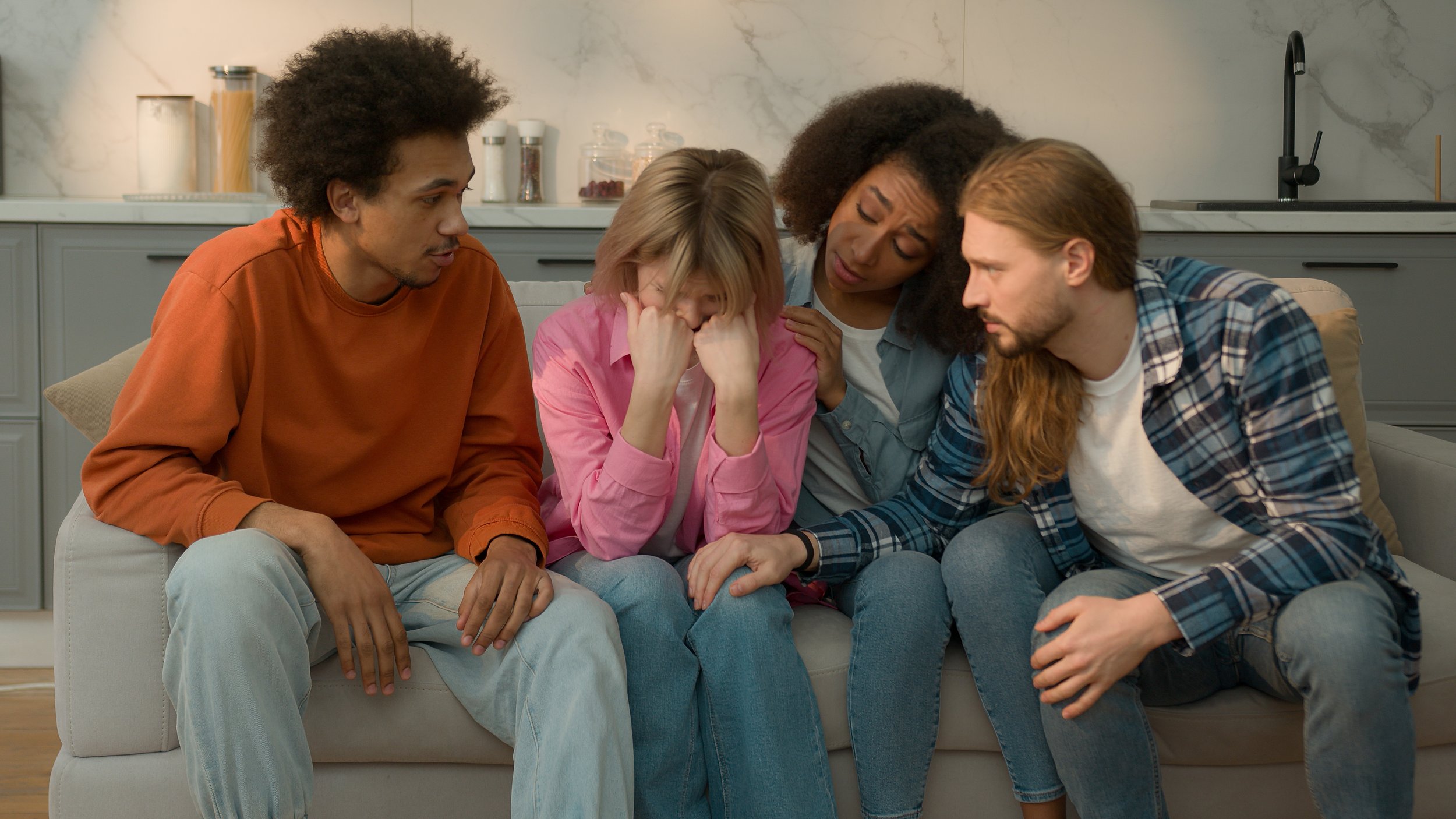
Persistent Depressive Disorder in Children and Teens
A child or teen with persistent depressive disorder will have a sad or grumpy mood most days for at least a year. They might also have trouble eating, sleep, feeling tired, not feeling good about themselves, having trouble focusing, making decisions, or feeling hopeless.
The condition, though less severe than major depression, persists for extended periods. It is characterised by a persistent feeling of mild depression or irritability, although it occasionally triggers more intense emotions. Unfortunately, it often remains undiagnosed and, if left untreated, can escalate into more severe mental health and behavioural issues. Fortunately, it can be effectively managed through psychotherapy and medication.
Exposure to traumatic experiences in children can lead to mental illnesses such as depression, eating disorders, behavioural and emotional disorders, anxiety disorders and so on.
Traumatic experiences include: Having a long-term illness, being bullied, witnessing domestic violence, sexual abuse / harassment, changing home or school, a dysfunctional family, separated or divorced parents, death of someone close to them and so on.
RISK FACTORS ASSOCIATED WITH PDD
Genetics
Imbalance in the brain (lack of neurotransmitters)
Bullying
Traumas
A dysfunctional family
Environmental factors
Divorce or separation
Domestic violence
Physical and sexual abuse
School difficulties like exam failure or bullying
Social isolation
Weight or health issues
Family disharmony
Poor communication in the family
SYMPTOMS OF PDD:
Reduced or Increased appetite
Insomnia or hypersonic
Low energy
Poor self esteem
Feeling hopeless
Difficulties concentrating etc

Sexual and Gender Based Violence(SGBV)
This is a cover term for any harmful act done against a person's will which is usually based on unequal power between women and men. It is a severe violation of several human rights because it inflicts harm on an individual both male or female but women are at a greater risk and this act can be carried out by anyone including persons in positions of authority especially in IDP camps, refugee centres, hostile communities amongst others.
There are many types of sexual and gender based violence acts such as verbal violence, domestic and psychological violence, sexual violence and harassment, forced abortions and marriages, physical and socio-economic violence, female genital mutilation etc.
Today, because of technology, sexual and gender based violence (SGBV) has become sophisticated resulting in Cyber bullying, Stalking, Identity theft, Sextortion amongst others and all of these are a great danger and threat to the society.
The effects of any of these acts can lead to traumas, low self esteem, exhibition of negative emotions like fear and anger, depression and at large affect one's physical and mental health.
Sexual and gender based violence among married couples is quite common and has a larger negative impact on our children who are the future of the society. In the family unit, this act is usually caused by frustrations especially from economic and financial hardships, pride, stress and pressures in the home, losses especially jobs, death of a child, unmet physical and emotional needs, failed expectations etc.
Some schools of thought strongly believe that men are above and in total control of women which includes their bodies and everything they possess. This belief can create room for domestic violence, aggressive behaviours, verbal and physical violence or assaults amongst many others if peaceful dialogue breaks down.
Frequent episodes of sexual and gender based violence in the family unit create a toxic environment for everyone especially for our children and opens them up to aggressive behaviours and vulnerabilities as the home remains the first immediate environment of any child.
RECOMMENDATIONS:
Couples, parents and relevant stakeholders should not abuse the authority they have over their children, spouses or anyone in the home, always keeping in mind the negative effects these acts have on them. They should become more positively responsible for our children especially in helping them manage their emotions better knowing that they copy all that they see us do or say.
The UNDP has found that SGBV is affected by climate change especially in rural areas where girls and women make longer trips to find food and water in the dry seasons, making them vulnerable to sexual assault. Governments can mitigate this by investing in making food and water surplus in the dry season so women and girls don't have to travel far to look for them thereby exposing themselves unwittingly to SGBV acts.
Empower women and girls through Education, giving them financial support, Providing environments where they feel safe and protected and including them in decision making.
Governments should strengthen legislation that severely punishes anyone found guilty of committing SGBV acts especially against children.
Keep young minds positively occupied through the instrumentality of community sports, education, jobs and employment.
If you or a loved one have experienced Sexual or Gender-based violence, report to the authorities or contact us.
The writer: UZOAMAKA NWACHUKWU is a Microbiologist and the Co-Founder of Cope and Live Mental Health Awareness Foundation and COLI Academy. She is a Grief & Bereavement counsellor, Depression counsellor, Emotional Intelligence Life Coach, EMDR therapist, CBT Life Coach, Mental Health & Wellness Life Coach and Child Psychologist.
BEREAVEMENT & GRIEF: A MAJOR CAUSE OF EMOTIONAL AND MENTAL BREAKDOWN
With every death, there is a loss and with every loss, there will be grief. You can still find love, peace, joy and happiness after any form of grief no matter the duration.
Grief can negatively affect our mental health and productivity. Frequent occurrences of this emotional breakdown can lead to Depression which is a Mental Disorder. Therefore, it is safe to say that negative emotions are one of the pathways to some mental disorders, depression, addictions and other negative coping mechanisms, unproductivity, unhealthy lifestyles, losses and so on.
BEREAVMENT
It means when someone or something is taken away from us forcefully or violently. This is known as complicated grief and changes a person permanently. It is a sudden event and could be a sudden death of a loved one through murder, accident, heart attack, natural disaster, etc. Note that we can also be bereaved of power, position, marriage, appointment, and we react to these sudden events in different ways especially with shock and numbness. Other reactions are anger, guilt, anxiety, denial, irrational thinking, crying, sobbing or even relief.