Failure Is a Good Thing – Especially for Your Mental Health
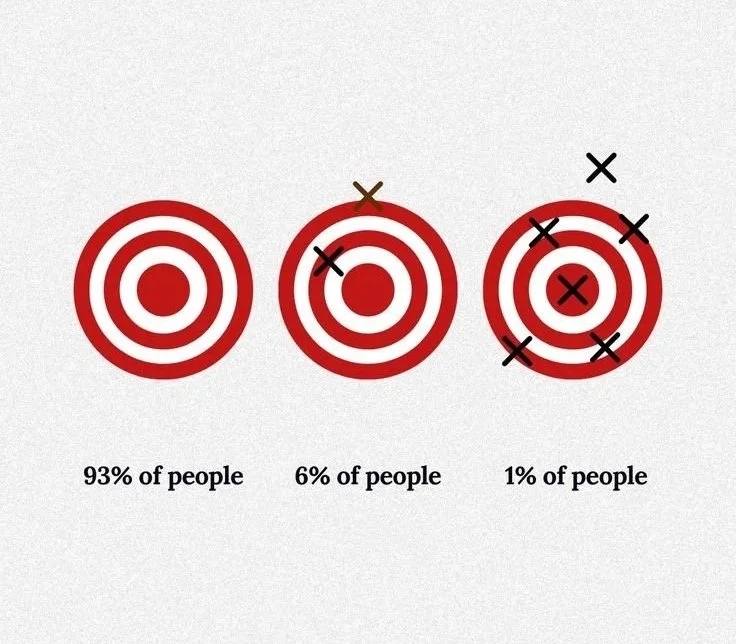
We’ve been sold a lie: failure is shameful, a dead end, something to hide or fear. In reality, failure is one of the most useful experiences life hands us, and when we learn to relate to it properly, it becomes a powerful protector of mental health rather than a destroyer of it.
Failure normalizes being human
Perfectionism is one of the strongest predictors of anxiety, depression, and burnout. When you believe you must never fail, every setback feels like proof that you’re defective. The moment you accept that failure is normal—even expected—you stop tying your entire self-worth to outcomes. Research from Carol Dweck’s growth-mindset studies shows that people who view abilities as malleable (i.e., “I failed → I haven’t mastered this yet”) have lower rates of depression and higher resilience than those with a fixed mindset (“I failed → I am a failure”).
Failure teaches emotional regulation
Every failure forces you to sit with discomfort: embarrassment, disappointment, self-doubt. If you run from those feelings (by blaming others, numbing out, or quitting), you never build the muscle of tolerating hard emotions. If you lean in—if you let yourself feel the sting without spiraling—you get better at regulating emotion. Over time, the same brain circuits that once sent you into panic when a presentation bombed start to respond with, “Okay, that hurt. Now what?” That’s literally the neurological definition of resilience.
Failure kills the fantasy that keeps us fragile
Many mental-health struggles come from an unspoken belief: “If I just get the right job/relationship/degree/body, I’ll finally feel safe and enough.” Failure shatters that fantasy quickly and mercifully. It shows you that external success doesn’t permanently fix internal insecurity. Paradoxically, once that illusion dies, you’re free to work on the only thing that actually creates lasting peace: your relationship with yourself.
Failure is the fastest path to authentic self-esteem
Self-esteem that comes from never failing is counterfeit—it collapses the moment life gets real. Self-esteem that is built on “I tried something hard, fell on my face, got up, and tried again” is antifragile. It grows stronger with every blow. Psychologists call this post-traumatic growth; athletes and entrepreneurs call it “reps.” Same mechanism.
Failure prevents the slow death of regret
The regret that truly poisons mental health isn’t “I tried and failed.” It’s “I never tried.” Fear of failure keeps millions of people in jobs they hate, relationships that drain them, and lives half-lived. When you normalize failure, you lower the emotional cost of trying. Suddenly taking the risk doesn’t feel like jumping off a cliff; it feels like buying a ticket to a game you might lose—but at least you get to play.
Practical reframes that protect your mental health
Rename it: Call it data, feedback, tuition, or a plot twist—not failure.
Schedule the mourning: Give yourself 24–48 hours to feel terrible, then move to “What did I learn?”
Keep a “failure résumé”: Write down everything you’ve failed at and what it taught you. It’s impossible to feel ashamed when the list is that impressive.
Share it early: Tell someone you trust about the failure before your brain turns it into a catastrophe narrative. Shame dies in daylight.
The bottom line
A life without failure is a life without growth, risk, or real joy. The people who seem mentally toughest aren’t the ones who never fall; they’re the ones who stopped believing that falling says anything bad about them.
So fail. Fail soon. Fail often. Fail creatively. Your mental health will thank you for it—because every time you get back up, you’re proving to the deepest part of your brain that you can handle being alive. And that, more than any unbroken winning streak, is what keeps people sane.
If you found this article inspiring, please share your thoughts in the comments section below.
To submit an article for publication, please email your contribution to info@copeandlive.foundation. Submissions may be edited prior to publishing. Include your full name as you wish it to appear and any relevant qualifications or citations.
About the Writer:
Mrs Uzoamaka Nwachukwu is the Co-Founder of Cope and Live Mental Health Awareness Foundation. She is a highly qualified professional with expertise as a Trained Child Psychologist and Anti-Bullying Instructor, Microbiologist, Grief & Bereavement Counsellor, Depression Counsellor, Emotional Intelligence Life Coach, EMDR and CBT Life Coach, and Mental Health First Aider. Her love for children, passion and knowledge make her a leading voice in mental health advocacy.
If things are getting out of hand, please call us on +234 814 831 8965 or send us an Email at: info@copeandlive.foundation for tailored guidance.