Not Just Talk: A Day with UNMSA Medical Students
Mental health support does not begin in a clinic. It begins in the quiet moment someone admits, even to themselves, that they need help. The harder step comes next: knowing where to go, who will listen, and what getting help actually looks like. That step belongs to everybody — the medical student on call, the parent in a worship centre, the family displaced by flood, the guest in a hotel, the survivor in an IDP camp. No title, no age, and no position earns someone the right to struggle alone or secures immunity from the occasional mental health struggles.
For years, the Cope and Live Mental Health Awareness Foundation (CALMHAF) has carried that conviction into the places where people already gather. Schools. Worship centres. Medical facilities. Hotels. Flood and disaster sites. IDP camps. Community after community. The work is not optional outreach. It is indispensable. Awareness that stays on a stage never becomes a screening, a conversation, or a way forward. CALMHAF’s continued presence is what turns a message into access.
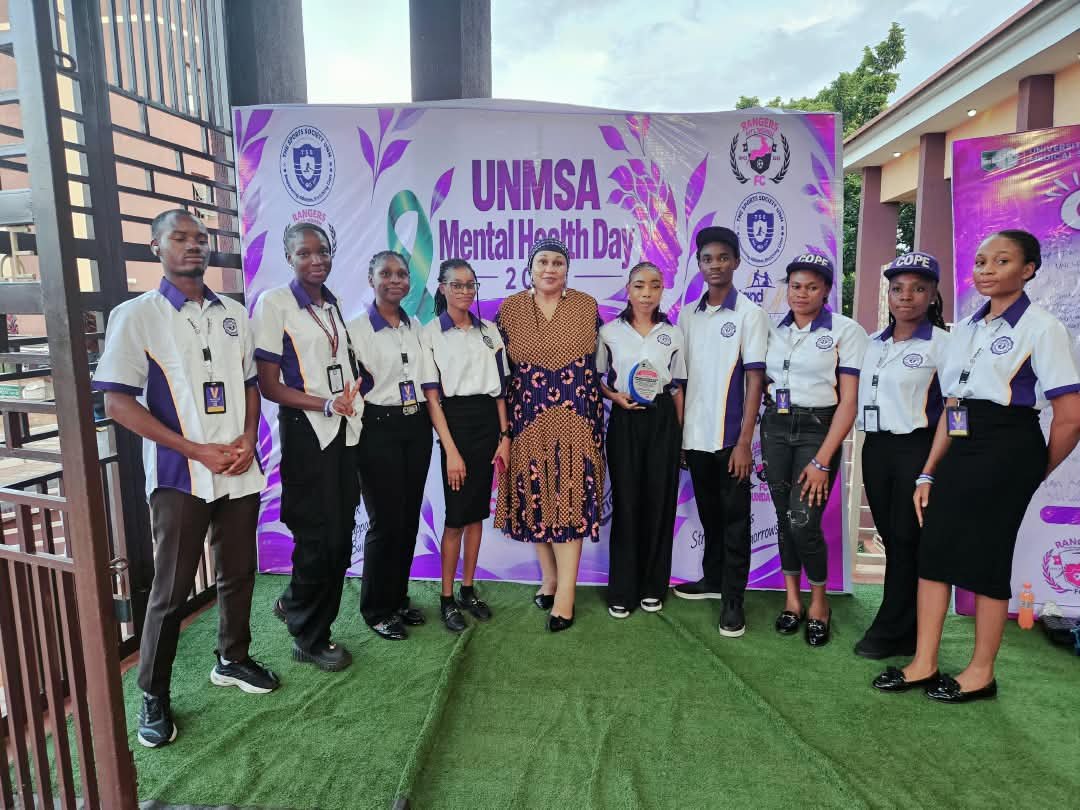
The inaugural UNMSA Mental Health Day 2026, held on 10 October 2026 under the theme “Beyond Awareness: Building a Culture of Mental Well-being,” was one more chapter of that same work. As official partner and lead sponsor, CALMHAF did not only help name the problem. It made support reachable — moving the conversation off the podium and into a wellness booth and interactive breakout sessions where students could reflect, connect, and meet evidence-based help face to face.
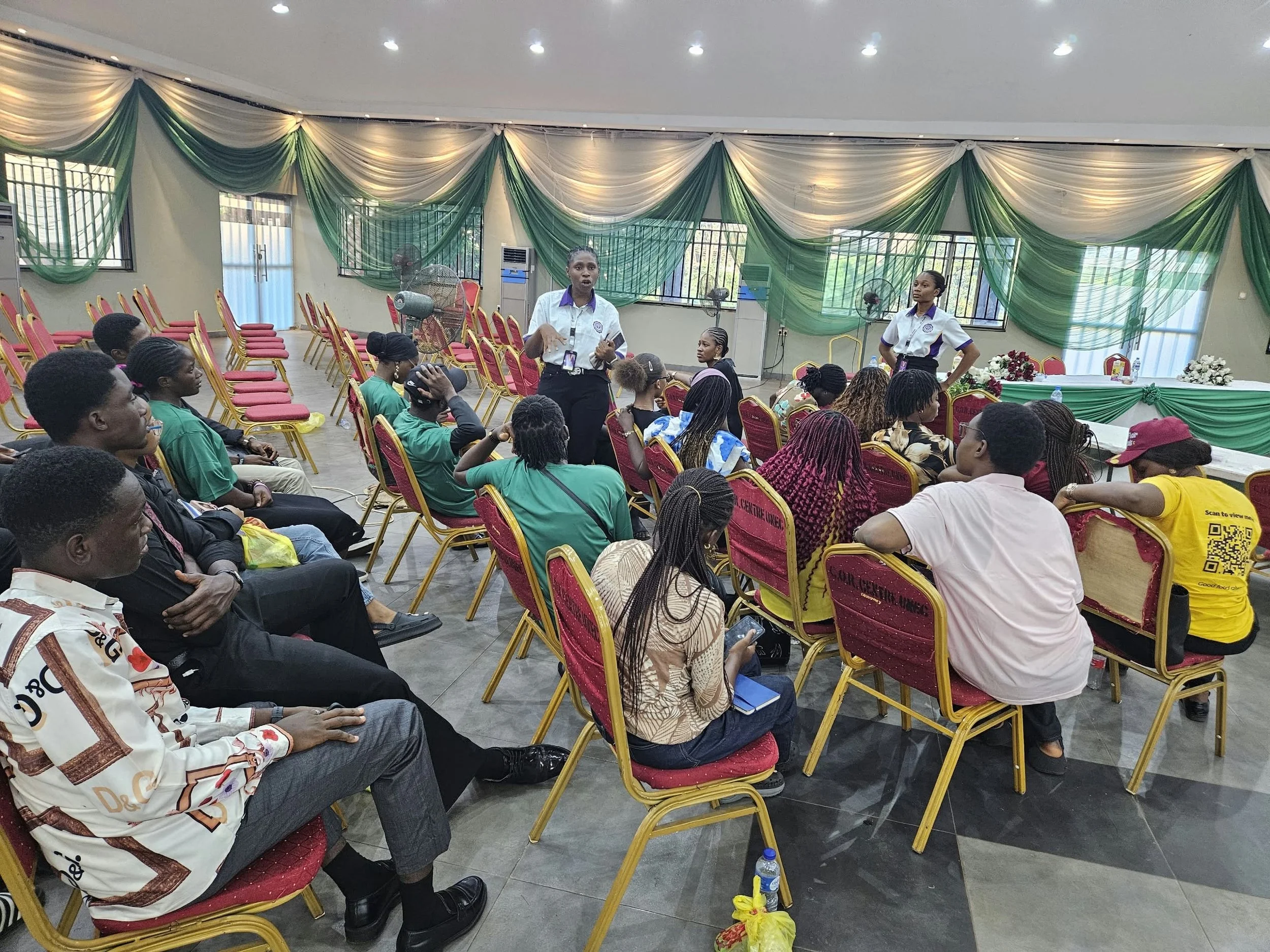
The targeted community outreach was led by co-founder Mrs. Uzoamaka Nwachukwu, with Ambassador Ophilia Alete and volunteers Eunice Edson, Judith Izuchukwu, Samuel Igbelina, Mmesoma Nwodo, Ifeoma Nwafor, Chiderah Chidi, Vivian Okochi, and Charles Ozoaka. In a goodwill message, the team asked students not to rush life or treat youth as a race to be finished early. That hurry feeds anxiety and depression. Growth, they said, also means learning, unlearning, and living in the moment — permission for future doctors to be human while they train.
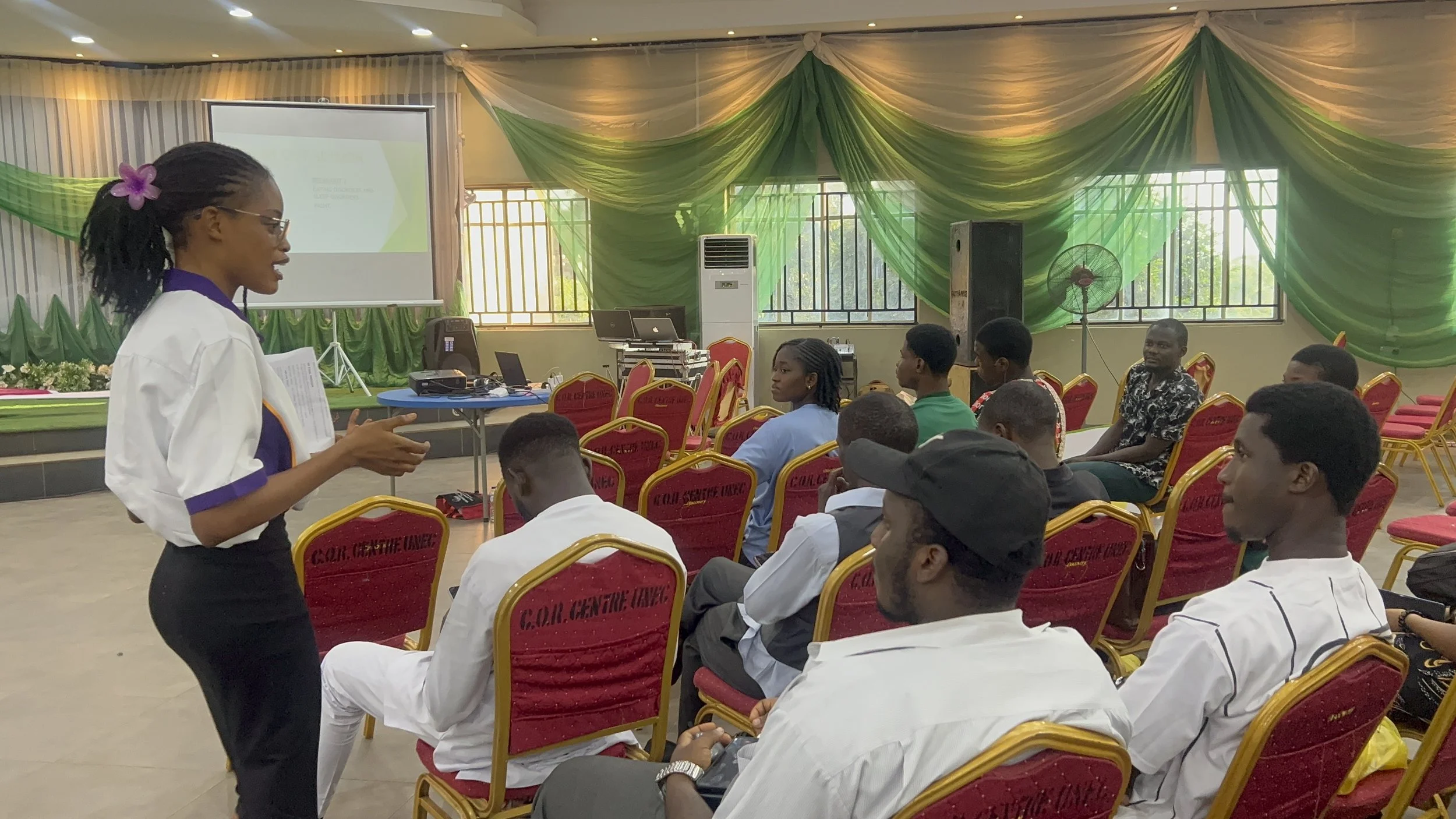
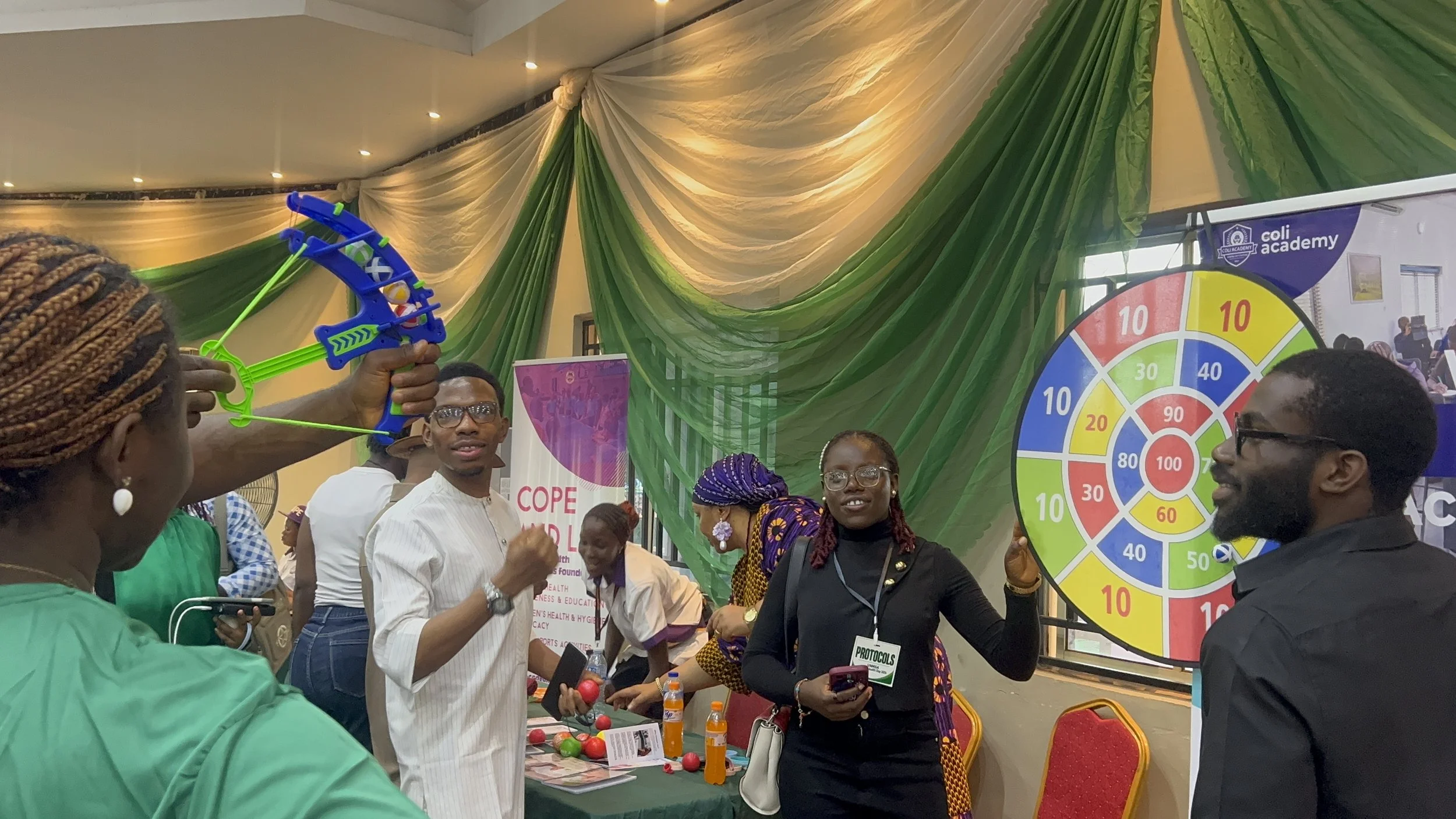
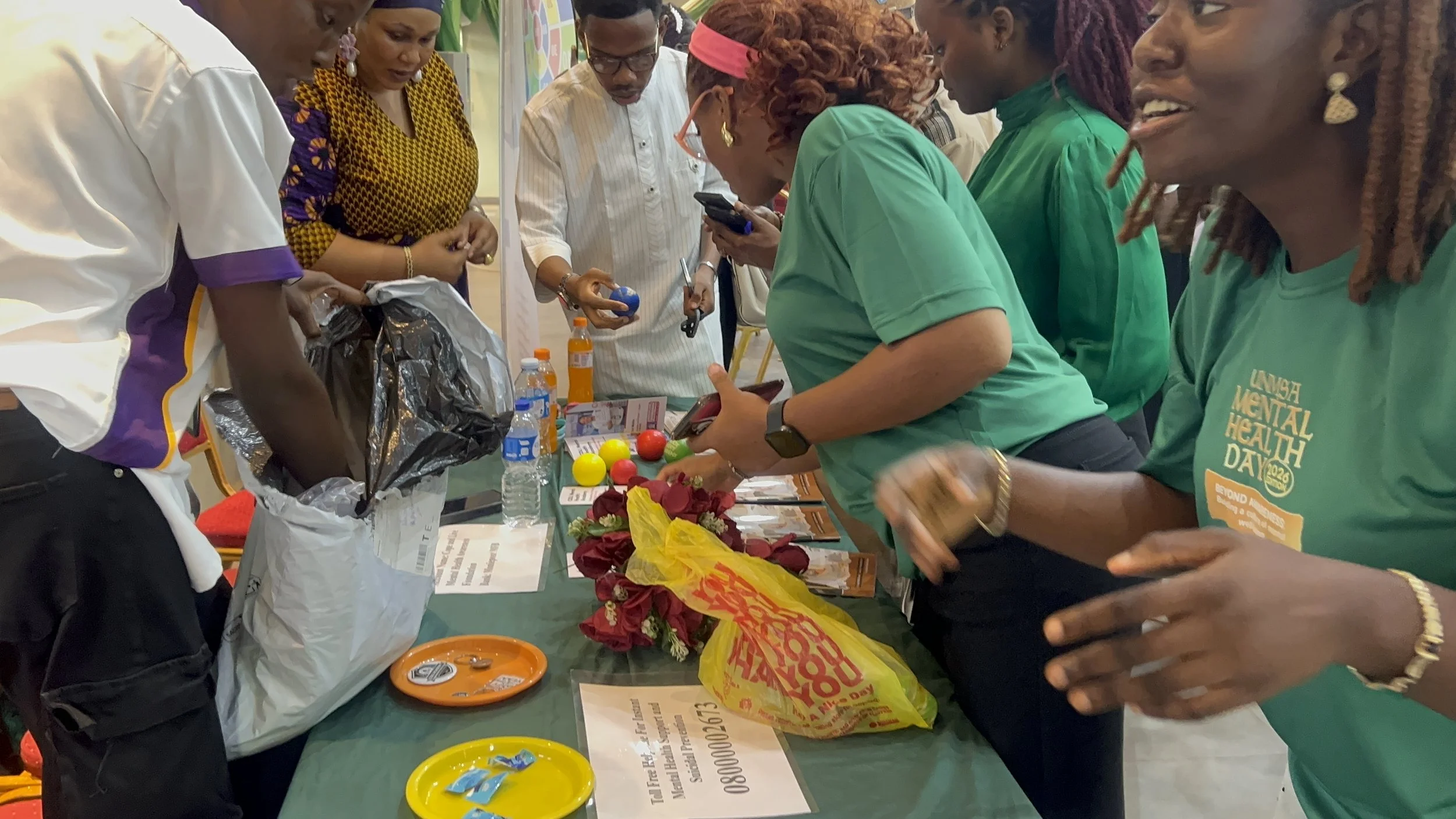
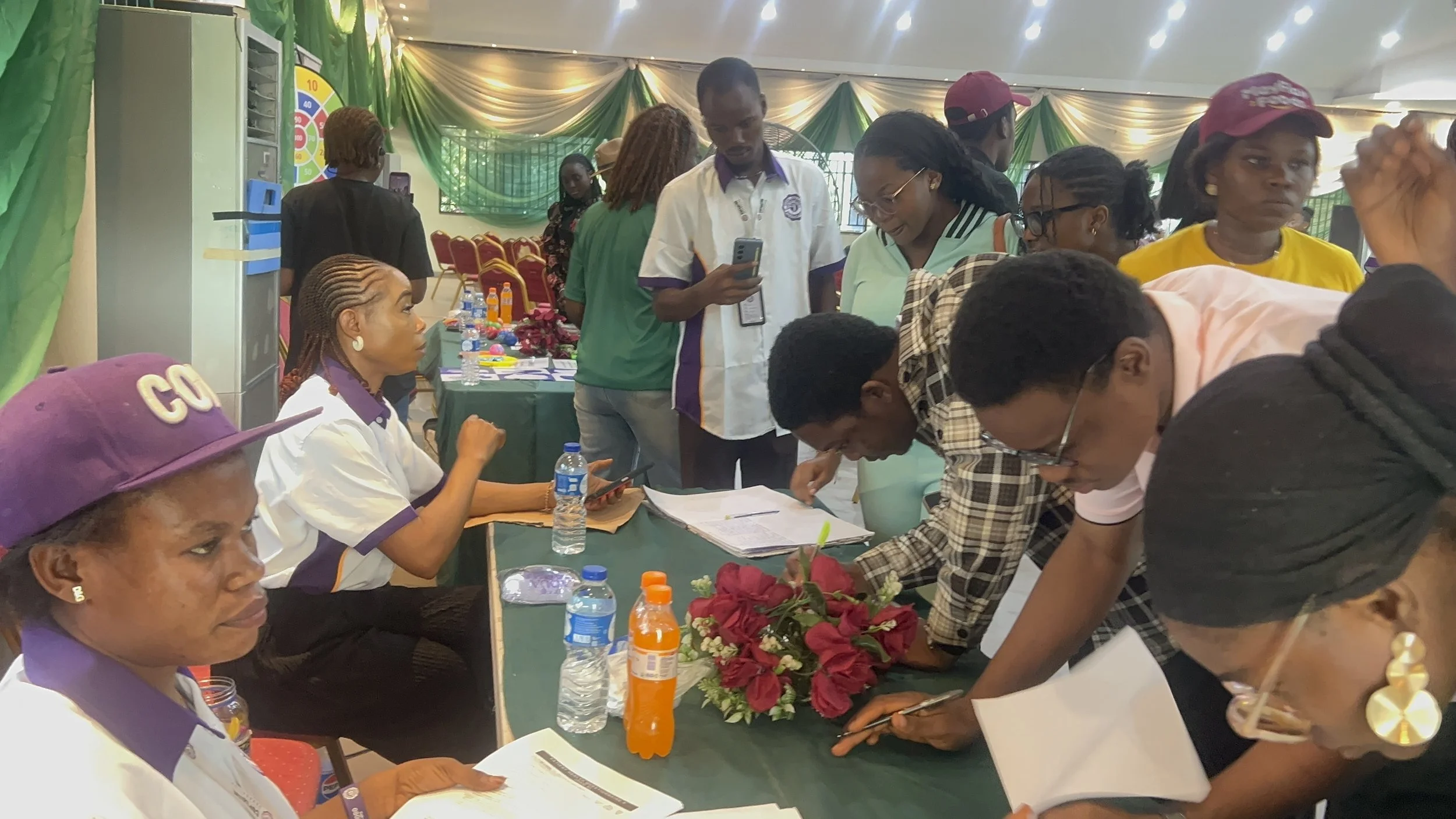
Team members facilitated multiple breakout sessions, on ADHD, PTSD, sleep disorders, and eating disorders, opening space for questions that plenary talks rarely hold. At the Mental Health Support and Wellness Booth, students received free counseling, screenings and assessments with global tools, along with stress-relief balls, affirmation handbands, and journaling books to carry the work beyond the day. Therapeutic and wellness games gave them room to exhale, laugh, and feel light again.
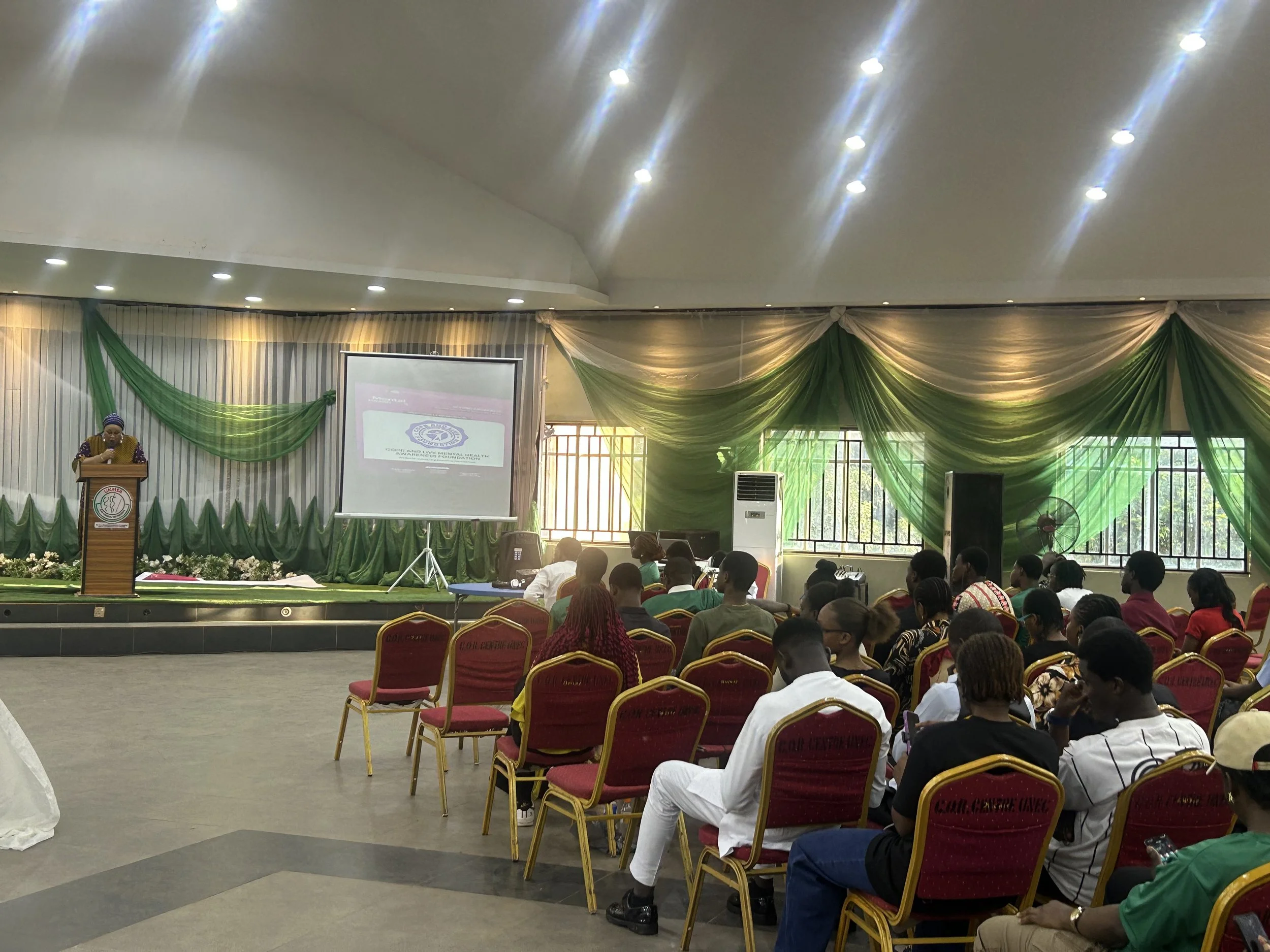
CALMHAF received a plaque of appreciation as a lead sponsor. More than recognition, it confirmed a simple fit: a foundation already trusted in schools, clinics, camps, and crisis settings was the right partner to show medical students that support has an address. The day ended where CALMHAF’s outreaches have always begun. No one has to navigate their mental health journey alone. Beyond awareness, the task is to build a culture of mental well-being — on campus, and in every community still waiting to be reached.