CALMHAF launches e-book to support mental health
Your mental health is also on your plate and nutrition has a lot to do with how you feel.
What did you eat today?
Rice and beans. Fruit. Vegetables. Fish. A meal made the way your family has always made it. Ordinary food, and still part of how the body keeps going. Those meals feed the brain, the nervous system, and the immune system, not only the stomach. That is why nutrition belongs in the mental-wellbeing conversation.
Eating well will not stop depression or anxiety on its own. Mental health is shaped by biology, life experience, relationships, and the environment around us. Even so, nourishing the body is one practical way to care for yourself.
The brain is an organ. It needs protein, fats, vitamins, minerals, and fibre to do its work. Food also meets the gut, home to a huge community of microorganisms. Scientists call the link between the two the gut-brain axis. The science is still growing, and it is not simple. It does remind us that body and mind are not separate stories.
There is no miracle ingredient, and no leaf that cures a mental-health condition. A plant can be rich in useful compounds and still not be a treatment. A food you grew up with can be valuable without being called a cure. Nutrition is plainer than that: variety, meals you can keep up, and food as one part of looking after yourself.
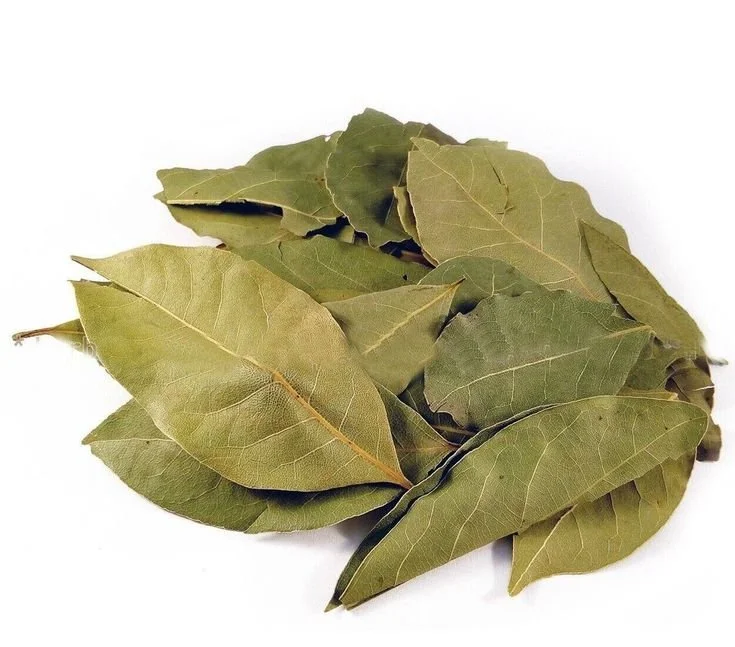
Much of that food is already nearby. Beans. Groundnuts. Garden eggs. Leafy vegetables. Fish. Fruits. Whole grains. Scent leaf and other local spices. Familiar, often locally grown, and easy to overlook because we see them so often.
You do not have to rebuild your diet tonight, or spend money you do not have. Add a fruit. Put leafy vegetables on the plate more often. Keep beans or another protein in the week. Reach for fruit more often than an ultra-processed snack.
Next time you decide what to eat, ask one question: what is this meal giving my body?
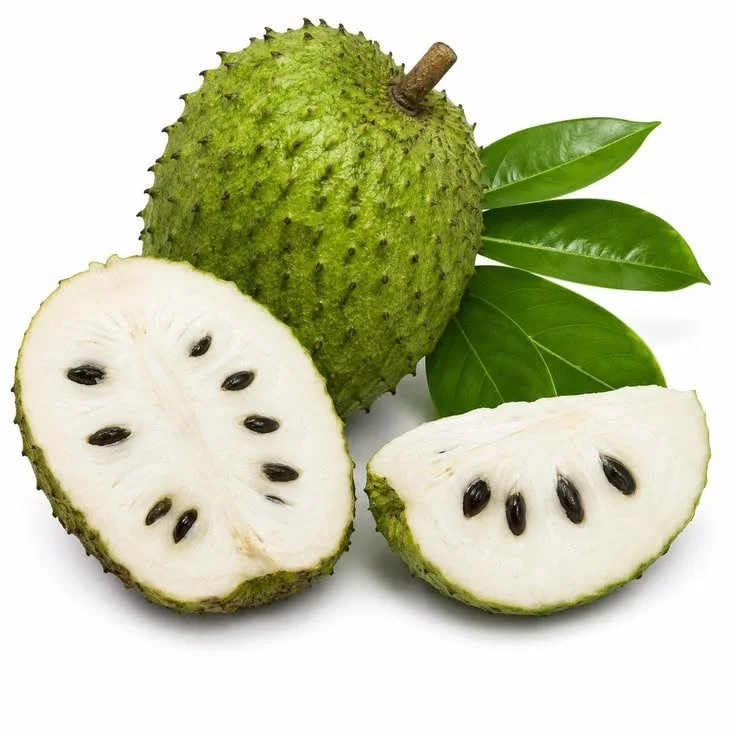
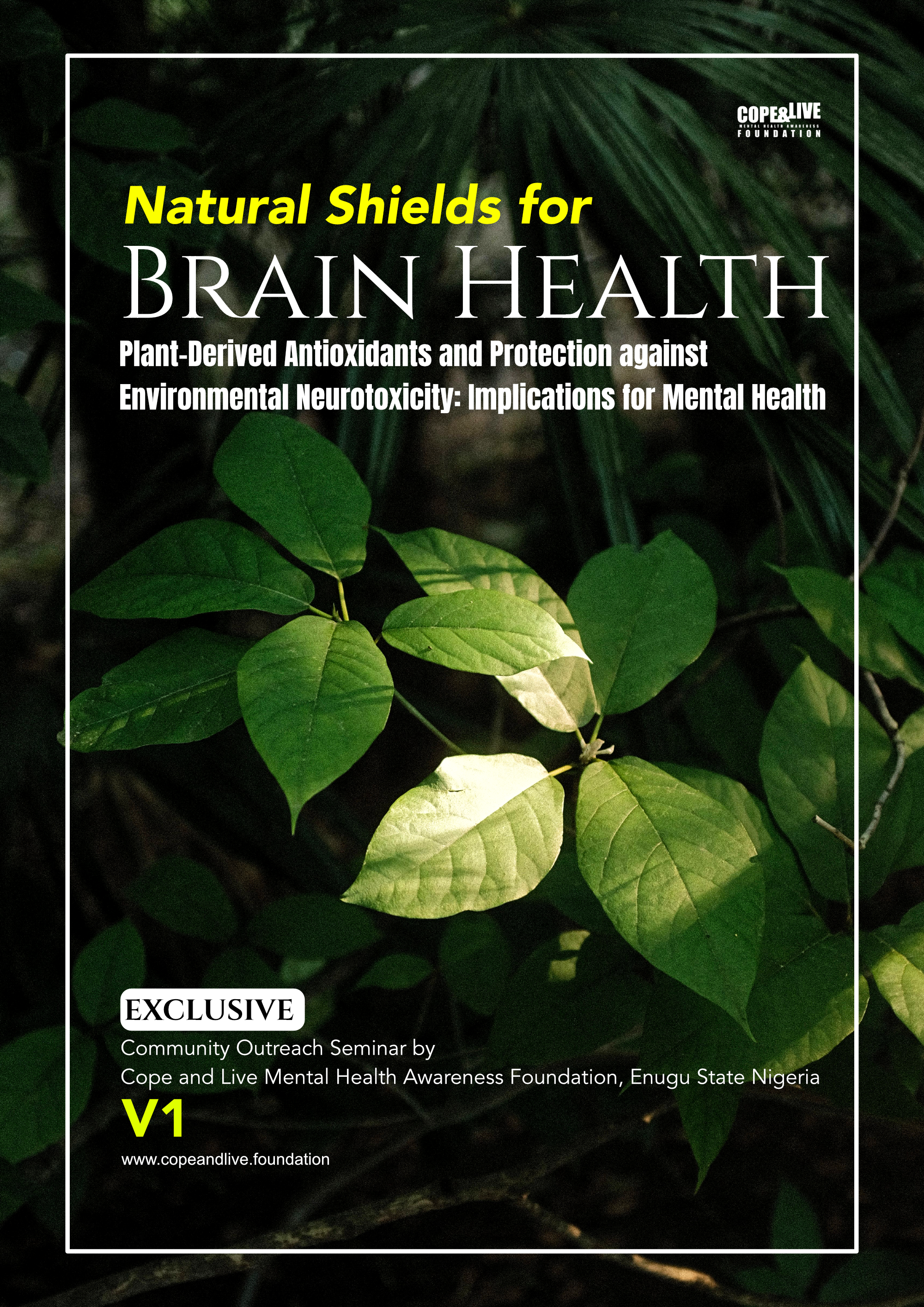
Our ebook, Natural Shields for Mental Health. Plant-Derived Antioxidants and Protection against Environmental neurotoxicity: Implications for Mental Health, Volume 1, goes further into the fruits, vegetables, herbs, and traditional foods already in Nigerian kitchens: what they contain, and how they can sit inside a healthier routine. Community education from Cope and Live Mental Health Awareness Foundation. Not a cure, and not a substitute for professional care.
Get your copy tomorrow. Pay online, and we will send it to you. Purchase link will be shared tomorrow.
Better nourishment can start with a closer look at what has been on your plate all along.

Article written by Chiderah Chidi, a volunteer with Cope and Live Mental Health Awareness Foundation, Enugu.