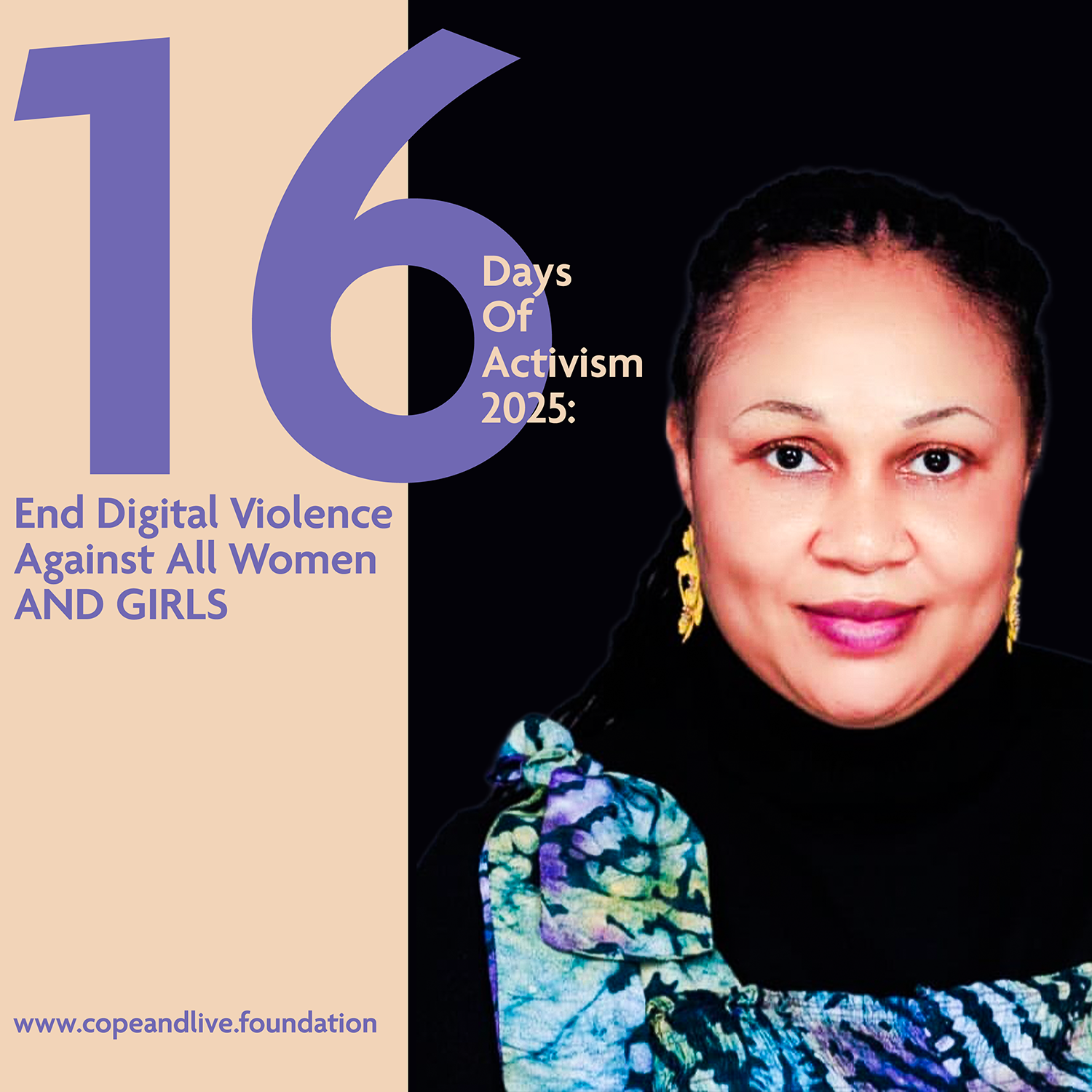
Preventing and reducing digital violence against children and teens requires consistent, layered effort from families, schools, and society.
At home, the foundation is built early through calm, ongoing conversations—starting as young as age 7 or 8—treating online kindness exactly like offline kindness and using “what-if” scenarios instead of fear. Parents should agree on clear family rules (no devices in bedrooms at night, friend lists limited to real-life acquaintances, and a “screenshot first” habit before sending any personal photo), then back these rules with practical tools such as iOS Screen Time and Communication Safety, Google Family Link, YouTube Restricted Mode, TikTok Family Pairing, Instagram Teen Accounts, or trusted third-party apps like Bark and Qustodio that detect risky messages and images. From the very first account, children need to learn basic privacy hygiene: never share real names, school details, locations, or body photos; keep profiles private; turn off location tags and “people nearby” features; and always use two-factor authentication with strong, unique passwords. Equally important is the parents’ own behaviour—avoiding oversharing their children’s lives online—and creating a genuine “no-shame” culture where a child knows they can come forward about a problem without instantly losing their phone, so evidence can be saved together before blocking and reporting.
Schools play a vital role by adopting proven programmes such as KiVa, Media Heroes, or NoTrap!, which have been shown to cut cyberbullying by 20–50 % when properly implemented, and by weaving digital citizenship and empathy lessons into the curriculum from primary level—teaching children to be active upstanders who alert a trusted adult when they witness harm. A simple, clear reporting pathway with one designated, trained staff member per year group works far better than anonymous online forms that often go unread.
Children themselves can protect their space by keeping friend/follower lists small and real-life only, never responding to or retaliating against bullies (just block and report), using anonymous reporting tools now offered by most platforms, turning off read receipts and “active” status when needed, and mastering strong privacy settings.
Finally, parents and communities can push for broader change by supporting strong legislation—such as the U.S. Kids Online Safety Act, the EU Digital Services Act, or similar laws emerging worldwide—that forces platforms to default to the highest privacy settings for anyone under 18, remove harmful content quickly, and disable addictive and appearance-distorting features for minors. When families, schools, children, and policy all pull in the same direction, the online world becomes dramatically safer.
If you found this article inspiring, please share your thoughts in the comments section below.
To submit an article for publication, please email your contribution to info@copeandlive.foundation. Submissions may be edited prior to publishing. Include your full name as you wish it to appear and any relevant qualifications or citations.
About the Writer:
Mrs Uzoamaka Nwachukwu is the Co-Founder of Cope and Live Mental Health Awareness Foundation. She is a highly qualified professional with expertise as a Trained Child Psychologist and Anti-Bullying Instructor, Microbiologist, Grief & Bereavement Counsellor, Depression Counsellor, Emotional Intelligence Life Coach, EMDR and CBT Life Coach, and Mental Health First Aider. Her love for children, passion and knowledge make her a leading voice in mental health advocacy.
If things are getting out of hand, please call us on +234 814 831 8965 or send us an Email at: info@copeandlive.foundation for tailored guidance.