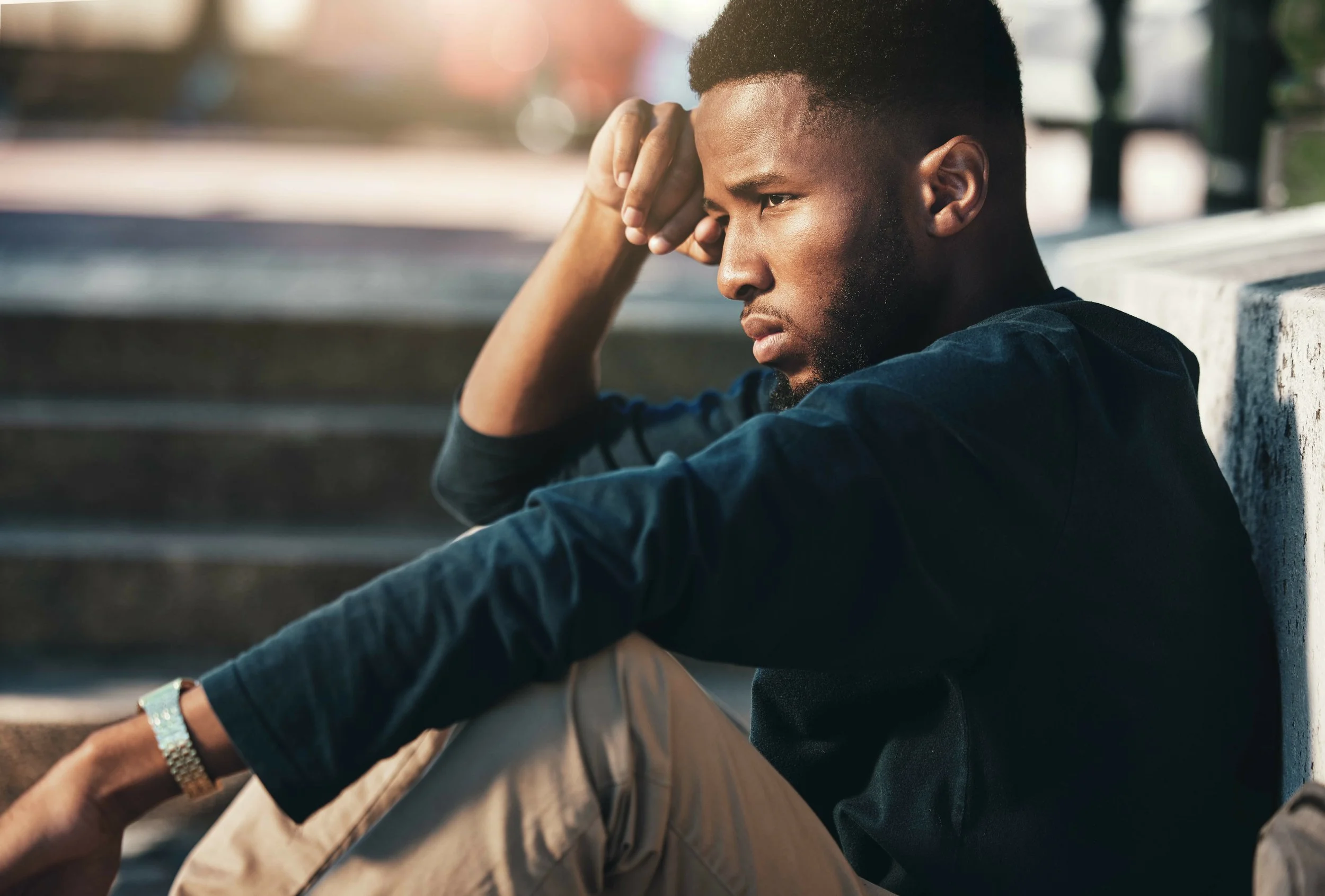
Across the world, men die by suicide at far higher rates than women, often because they wait until crisis point. Unlike many women, whose suicide attempts are more often non-fatal and can function as a cry for help, men tend to use more lethal methods. When a man crosses that line, the outcome is frequently fatal. Seeking help early is not weakness; it is the most practical form of self-preservation. Men’s Mental Health Month is a reminder that strength is not silence.
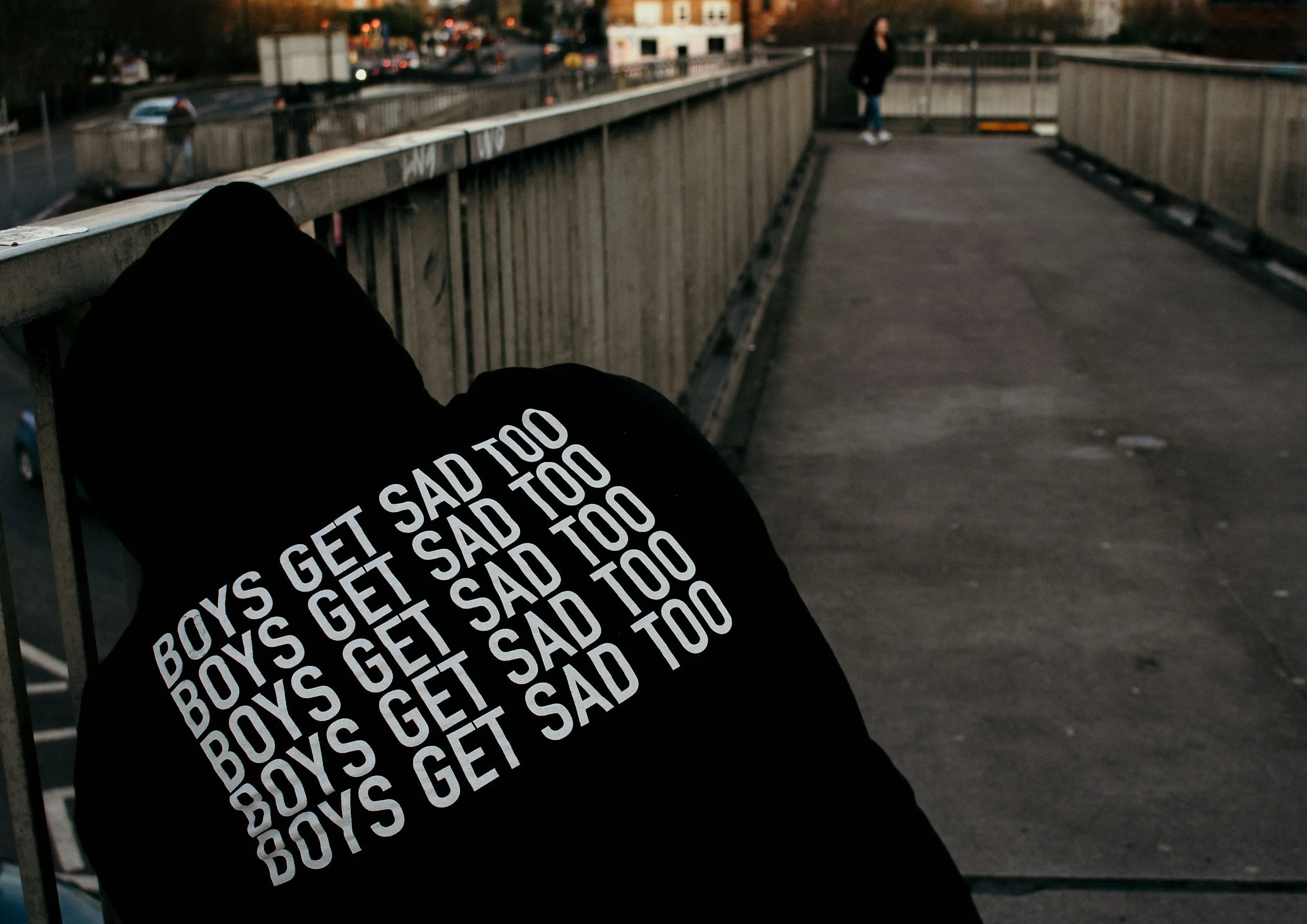
Global figures WHO and the Global Burden of Disease Study 2021 estimate 720,000–746,000 annual suicide deaths—about one every 40–45 seconds. In 2021 roughly 519,000 were men and 227,000 women. Age-standardised rates: ~12.8/100,000 men vs 5.4/100,000 women.
Women attempt suicide more often, but men’s attempts are likelier to be fatal due to more lethal methods. WHO estimates about 20 attempts per suicide; stigma—especially among men—limits help-seeking. Men also more often use alcohol, drugs, or nicotine to numb stress and trauma; substance use disorders raise suicide risk substantially (often 10–14× higher). Alcohol is common in many male suicide deaths and can worsen depression, anxiety, impulsivity, and isolation.
These numbers reflect real people—fathers, brothers, sons, colleagues, and friends—who often suffer in silence under provider roles, financial pressure, relationship strain, or unresolved trauma.
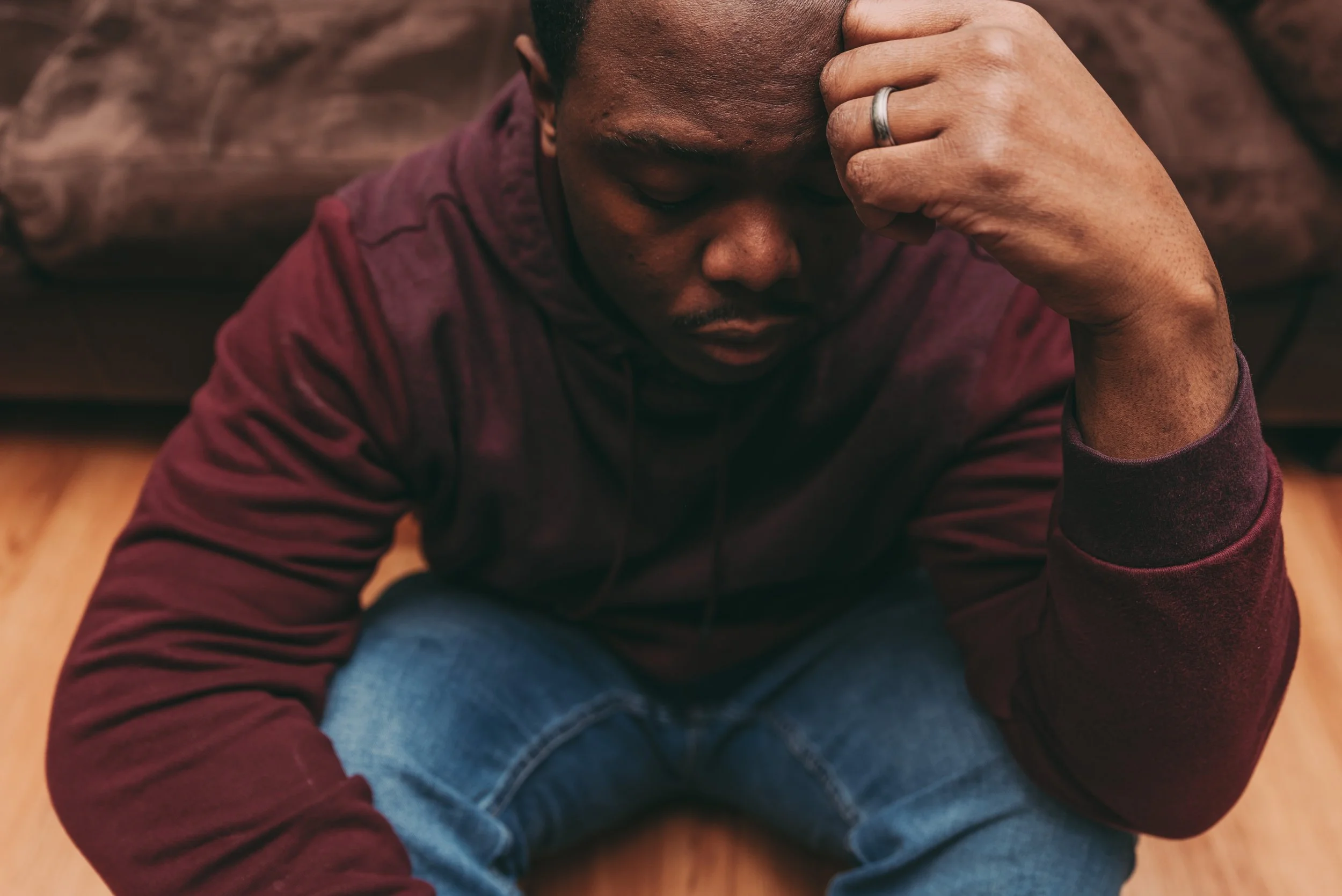
No Role Makes You Immune
Religion, military service, competitive sports, and other high-status or high-discipline environments do not vaccinate anyone against mental health challenges. Stress and Trauma are universal human experiences.
Military, law enforcement and veterans
Exposure to trauma, moral injury, and the cultural expectation to “tough it out” contribute to elevated rates of PTSD, depression, and suicide in many armed forces populations worldwide. Studies consistently show that service members and veterans face unique risk factors even while formal support systems exist.
Athletes
Elite athletes experience intense performance pressure, injury, career uncertainty, and identity tied to performance. While some data show lower overall suicide rates among professional athletes compared with the general population, suicidal ideation still occurs (studies report ranges of roughly 7–18% in various athlete groups), and mental health symptoms are common. Sport does not cancel stress; it can amplify it.
Religious leaders and faith communities
Religious leaders frequently carry others’ burdens while facing burnout, isolation, and the expectation that faith alone solves emotional distress. Research on moral injury and clergy mental health shows elevated depression and anxiety even among those who serve in sacred roles.
Everyone experiences periods of high stress—work deadlines, financial strain, family conflict, grief, or simply the cumulative weight of daily life. The difference is whether support is sought before the load becomes unbearable.

CALMHAF’s Work with Men and Boys
The Cope and Live Mental Health Awareness Foundation (CALMHAF) has deliberately created spaces where men and the boys who will become tomorrow’s men can speak without judgment. The foundation has reached over 10,500 people through free counselling, helplines, awareness campaigns, and community programmes.
Key men- and boys-focused outreaches include:
Men’s Safe Space Forum — Enugu (late Nov 2025, near International Men’s Day) Theme: “Starting the Conversation That Saved Lives in Enugu.” Men — professionals, fathers, retired soldiers, clergy, community leaders — discussed provider pressure, finances, sexual health, family relationships, and stress-driven decisions. All received free mental-health screening. Outcomes: WhatsApp support groups, pledges to host smaller safe spaces in churches, workplaces, and neighbourhoods, and reports of reduced stress with healthier coping. Participants described the space as free of “man-up” clichés.
International Day of the Boy Child outreach — Zenith International School, Amike Aba, Abakaliki (9 May 2026) CALMHAF Ebonyi engaged 72 boys (Primary 3–5) on habits, attitude, character, and role models through games, football, and a “Talent vs Habits” debate. Result: plan for a monthly Boys Club focused on discipline, life skills, career guidance, and mental health. Immediate gains: confidence, self-esteem, critical thinking; long-term goal: emotionally intelligent young men.
15 May 2026 — International Day of the Boy Child outreach at Grace Ambassadors Int’l School, Thinkers Corner, Enugu. CALMHAF led an interactive session for ~80 boys (JSS1–SS3): emotional intelligence & mental health (Mrs. Uzoamaka Nwachukwu); digital footprint & cyberbullying (Rev. Chukwudiebube N. Nwachukwu); positive masculinity/self-control/sex ed (Mr. Bernard Asadu); play therapy (Jenga, football, basketball, chess); and one-on-one counselling. Hosted by proprietress Mrs. Fisho Adenike. Theme: “Investing in Boys’ Mental Health & Leadership.” Part of CALMHAF’s IDBC series.
14 May 2026 — Mgbidi Boys Secondary School, Oru West, Imo State. 61 junior and senior boys attended sessions on habits, attitude, and character for responsible men. High engagement, positive feedback, and strengthened school partnership. Anchored by Imo State Programme Manager Mrs. Obileme Chinwendu Comfort as part of CALMHAF’s preventive outreach.

Free Counselling This Month
CALMHAF continues to offer free counselling for men. This month, support is available by calling the toll-free line 0800 000 2673 (0800000COPE) or sending a WhatsApp message. The line provides confidential, non-judgmental support, initial counselling, and pathways to further help at no cost to the caller.
The Ask
If something feels heavier than it should, reach out—talk to someone you trust, join a safe space, or call for help. If a man has gone quiet, check on him gently. Early conversation beats waiting until it’s too late.
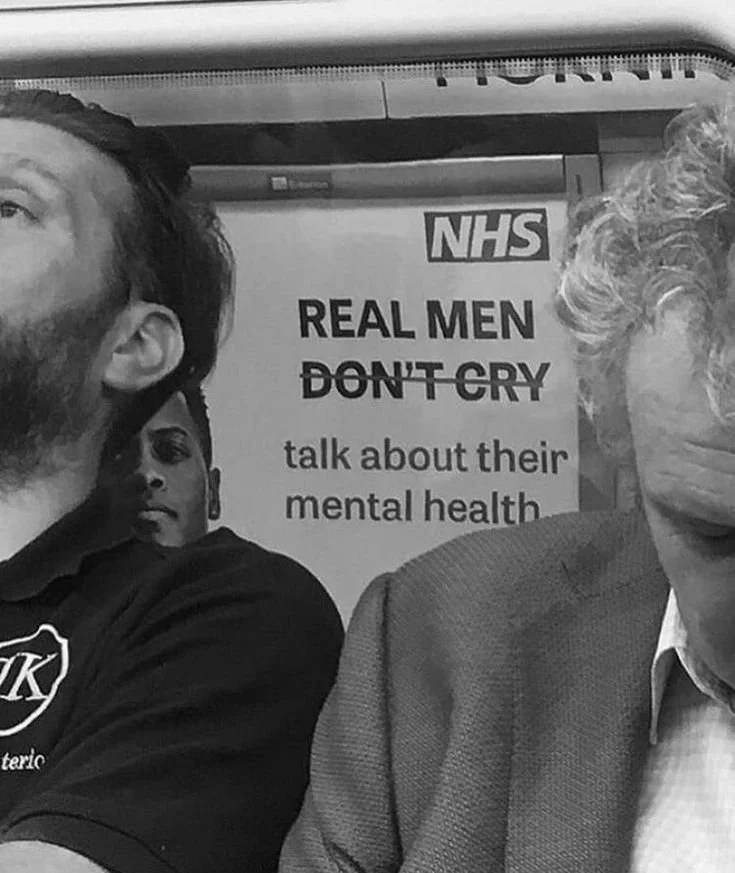
Men’s Mental Health Month is about awareness and normalizing help so fewer men reach a crisis. Conversation, screening, and support save lives—one man, one boy, one call at a time.
Contact: Toll-free 0800 000 2673 | WhatsApp +234 814 831 8965 | copeandlive.foundation
Reverend Chukwudiebube Nwachukwu is the Founder of the Cope and Live Mental Health Awareness Foundation and COLI Mental Health Academy. A passionate and influential advocate for mental health in Nigeria, he holds a Level 3 Mental Health Diploma and a Graduate Diploma in Theology. His extensive professional credentials include certifications as a Child Psychologist, Grief & Bereavement Counsellor, Depression Counsellor, Emotional Intelligence Life Coach, EMDR and CBT Practitioner, Couple Counsellor, SAMHI Dual Diagnosis Practitioner, Drugs and Addiction Coach, and International Olympic Committee Sports Administrator.
Through comprehensive counselling and therapy, community outreach, women’s health and hygiene programmes, skill acquisition and vocational training, policy advocacy, research, and innovation, Reverend Nwachukwu and his team are dedicated to fostering a mentally healthier Nigeria—one conversation, one life, and one community at a time.