
A child who cannot control the frustration of being denied having their way is a dangerous adult in the making. This is not hyperbole. From not playing with friends’ and siblings’ toys and games at home or school, Emotional regulation, the ability to accept no, handle rejection, manage disappointment, and respond without rage or violence, is not an optional soft skill but a foundational safeguard for individuals, families, and communities. Emotional intelligence is best learnt young, before patterns of entitlement, poor self-control, or explosive reactions become entrenched.
In Nigeria, recent incidents painfully illustrate the cost of unregulated emotion in relationships and when desires are refused. On 19 September 2026 in Enugu, a man killed his girlfriend during an argument involving accusations around HIV infection; the violence escalated and he concealed the body. Around 23 October 2026 in Uga, Aguata Local Government Area of Anambra State, a man killed his long-term girlfriend after she ended their six-year relationship and made a remark that he was fortunate she informed him before her wedding cards for another man were ready—he responded with fatal force. On 1 November 2026 in Owerri, Imo State, a man allegedly pushed his girlfriend’s younger sister from a two-storey building after she rejected his sexual advances (or during a related altercation), leaving her critically injured and in a coma.
These are not isolated headlines. Patterns of intimate-partner violence, including killings after rejection, breakup, or denied advances, appear repeatedly. We share these facts simply to underline a preventable truth: emotional intelligence—self-awareness, self-regulation, empathy, and the capacity to accept boundaries—can interrupt the trajectory from childhood frustration to adult harm. The skills that help a child pause when told no, name their feelings, and choose a better response are the same skills that protect lives later. They are most effectively planted early.
GlowPulse by CALMHAF
GlowPulse is the flagship Emotional Intelligence Bootcamp organized by the Cope and Live Mental Health Awareness Foundation (CALMHAF) for children and teens. Now in its second year, GlowPulse 2.0, organized for kids aged 8–15, ran across August 2026 in Enugu. It deliberately moved beyond the traditional classroom to equip participants with practical tools for life.
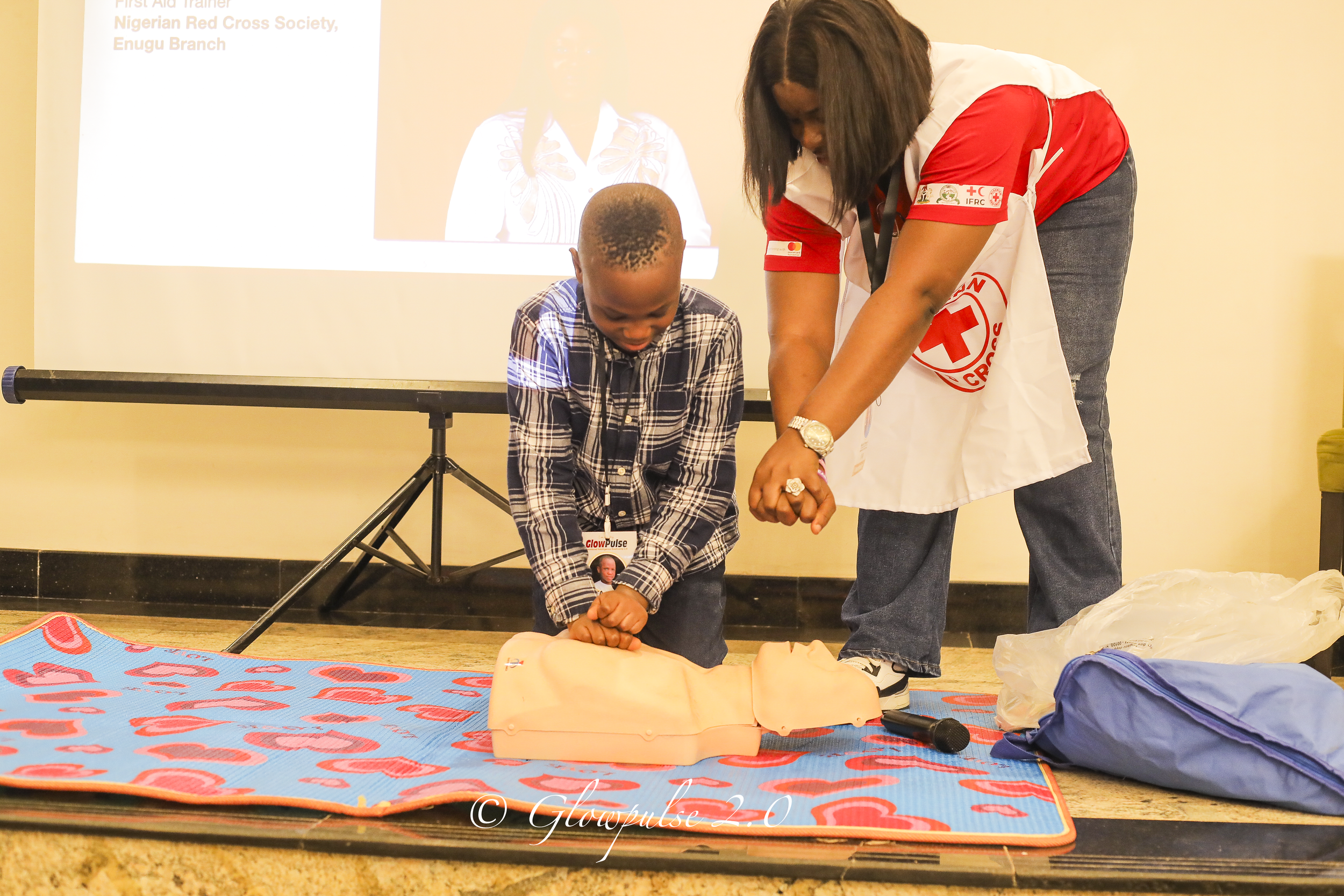
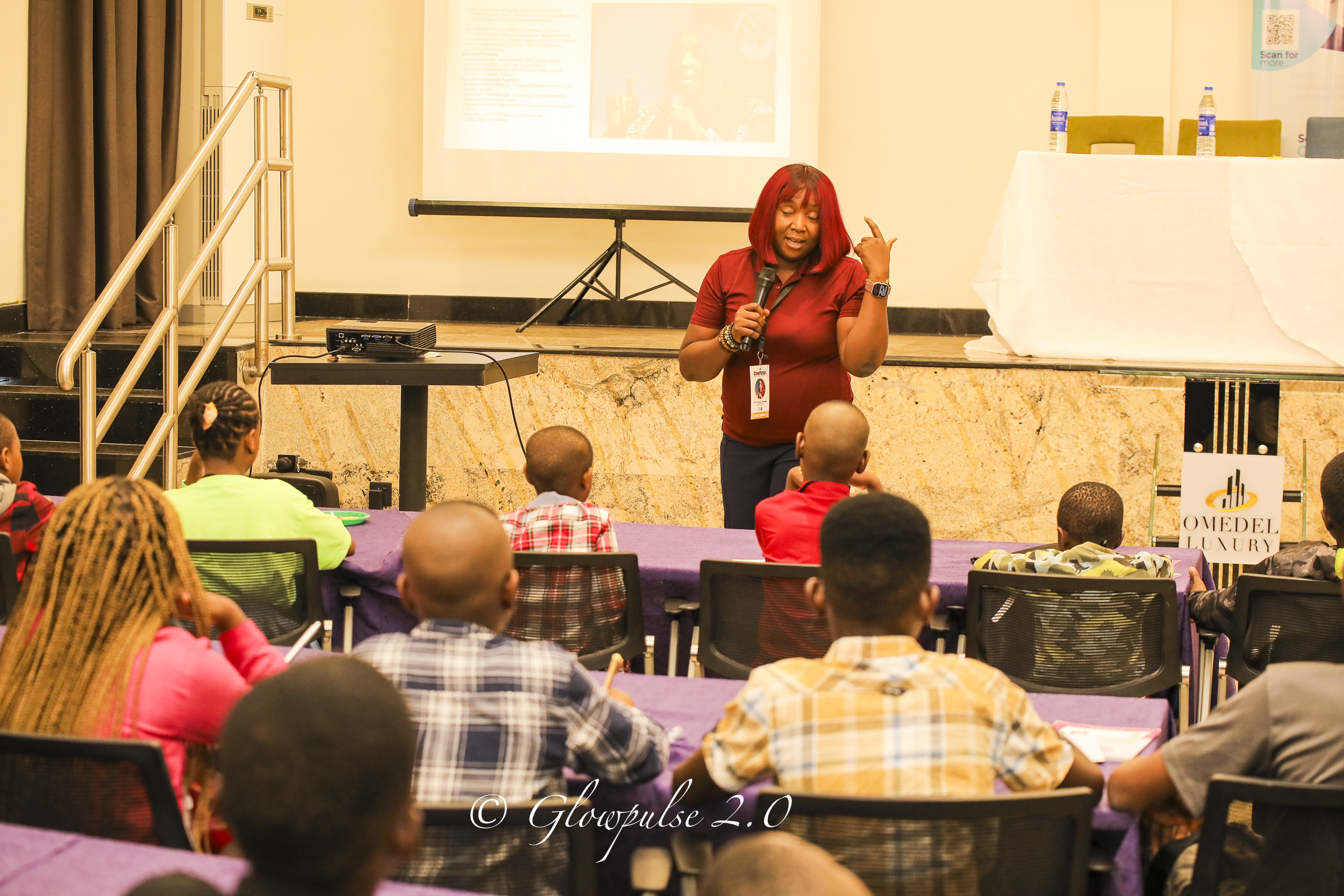
The bootcamp opened on 6 August 2026 at Omedel Luxury Hotel. Children participated in a fully hands-on CPR and first-aid session led by Mrs Ebere Nwafor of the Nigerian Red Cross. Officials from the National Agency for the Prohibition of Trafficking in Persons (NAPTIP) taught participants how to recognise risks and protect themselves from child trafficking. Professor Theresa Nwagha addressed cancer awareness, while Enugu State Commissioner for Agriculture, Hon. Patrick Nwabueze Uburu, guided the children on informed career choices. A live painting session featured 15-year-old CALMHAF Ambassador, Isioma Idika, who lives with cerebral palsy and travelled from Abakaliki; using a brush held in her mouth and supported by her brother, she demonstrated resilience and the power of encouragement and practical assistance. https://guardian.ng/education/glowpulse-2-0-enugu-emotional-intelligence-bootcamp/
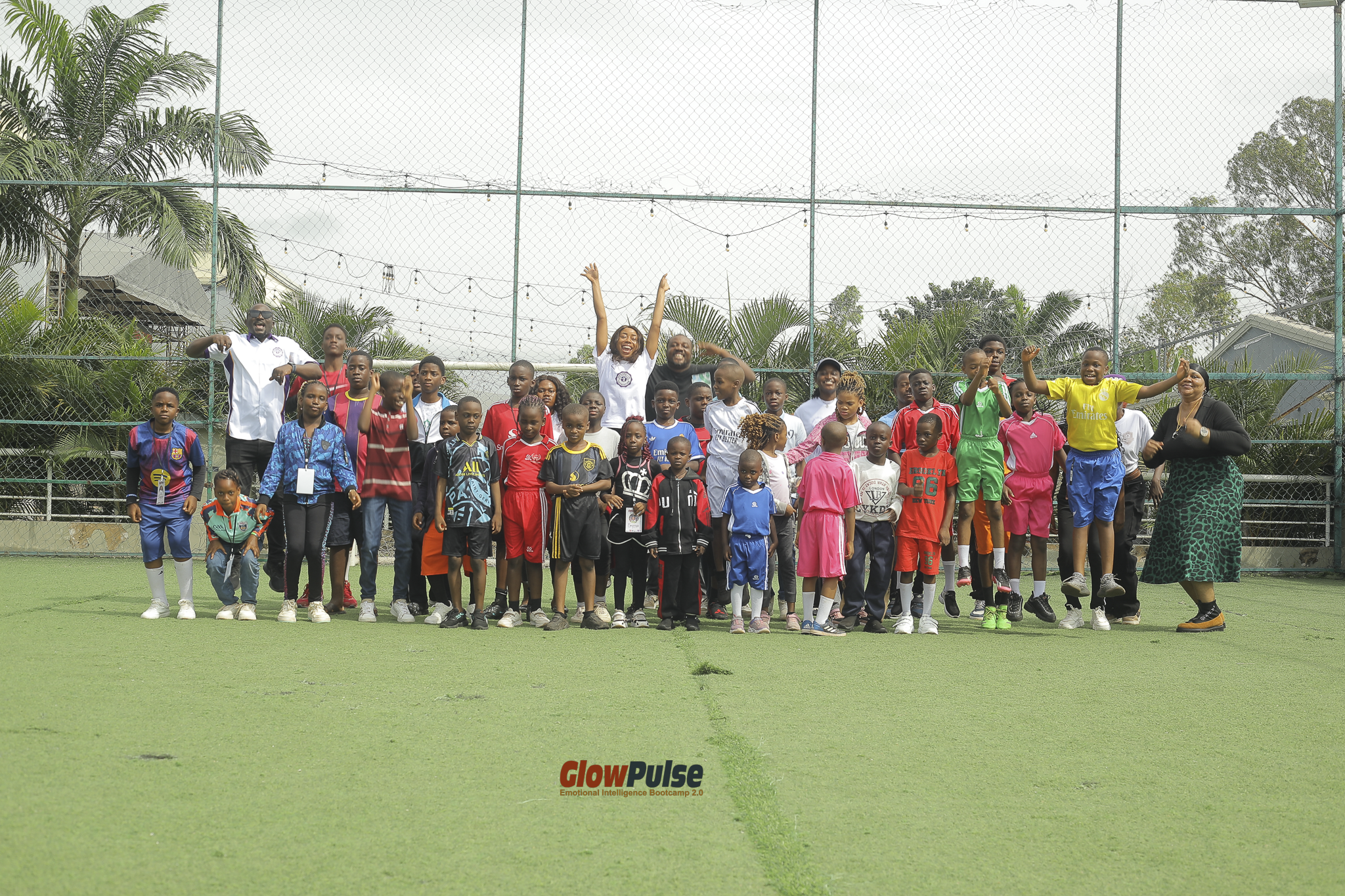
On 11 August, sessions focused on purposeful leadership (with Chukwuma Ephraim Okenwa emphasising influence, support, and empowerment rather than titles), digital responsibility and online safety (facilitated by Onyedikachi Bernard Asadu, known as The King of Boys), and core self-awareness work led by Coach Uzoamaka Nwachukwu. Children explored their emotions, identified triggers, recognised strengths and areas for growth, and examined their values and personal standards. Games and structured group activities reinforced teamwork, communication, and mutual support. Vocational and career-awareness elements helped participants begin to discover passion paths.
The 18 August session at De Angelo Event Centre centred on Games, Art and Play Therapy and Resilience Building. Outcomes included - A healthy way to express emotions, team work, conflict resolution and creativity among others. The programme concluded on 25 August at The Andover Hotel with an elaborate closing celebration that included vocational activities alongside practical teaching on self-regulation, bullying, and cyberbullying by CALMHAF founder, Reverend Chukwudiebube Nwachukwu—strategies for managing emotions, standing up to harmful behaviour, and staying safe both offline and online. POCACOV Enugu State Coordinator, DSP Ukeje and Rangers International Football Club manager Mr Amobi Ezeaku taught the children on the dangers of cultism and history of Rangers International FC / the importance of sports respectively. https://www.youtube.com/shorts/usyUOdr7W7g
Holistic by Design: The Three Domains of Learning
GlowPulse is holistic because it deliberately engages all three domains of learning:
- Cognitive domain: Children gained knowledge—understanding emotions and triggers, recognising trafficking and digital risks, learning about health (cancer awareness, CPR), leadership concepts, and career possibilities. They analysed situations, asked questions, and built frameworks for decision-making.
- Affective domain: The heart of the bootcamp. Through self-awareness exercises, values exploration, empathy-building games, and discussions of resilience and boundaries, participants developed attitudes of self-regulation, respect for others’ no, emotional validation, and the internal strength to handle disappointment without aggression.
- Psychomotor domain: Learning happened through doing—hands-on CPR practice, live painting, play-therapy games, multi-sport and physical activities, group collaboration, and vocational tasks. Muscle memory and embodied experience reinforced the concepts so skills became practical rather than theoretical.

By addressing knowing, feeling, and doing together, GlowPulse moves emotional intelligence from abstract idea to lived habit. Participants leave better equipped for home, school, friendships, and the digital world—with stronger self-awareness, healthier responses to rejection or conflict, greater resilience, and practical life skills. CALMHAF Organisers emphasize that preparing children for the future requires far more than academic knowledge alone.
GlowPulse Emotional intelligence bootcamps are not a luxury. In a society where the inability to accept denial or rejection has contributed to preventable tragedies, they are a vital investment in safer futures. The work is most powerful when started young. GlowPulse 2.0 showed what is possible when children are given structured space, expert facilitation, and joyful, hands-on experiences to practise these skills. It is a bootcamp no parent who wants emotionally healthy, resilient children—and a safer society—should allow their kids miss. Anticipate GlowPulse 3.0