Staying Safe Online | Glowpulse 2.0
Children are growing up in a world where the internet is part of everyday life. It helps them learn, connect and explore — but they also need to know how to use it safely.
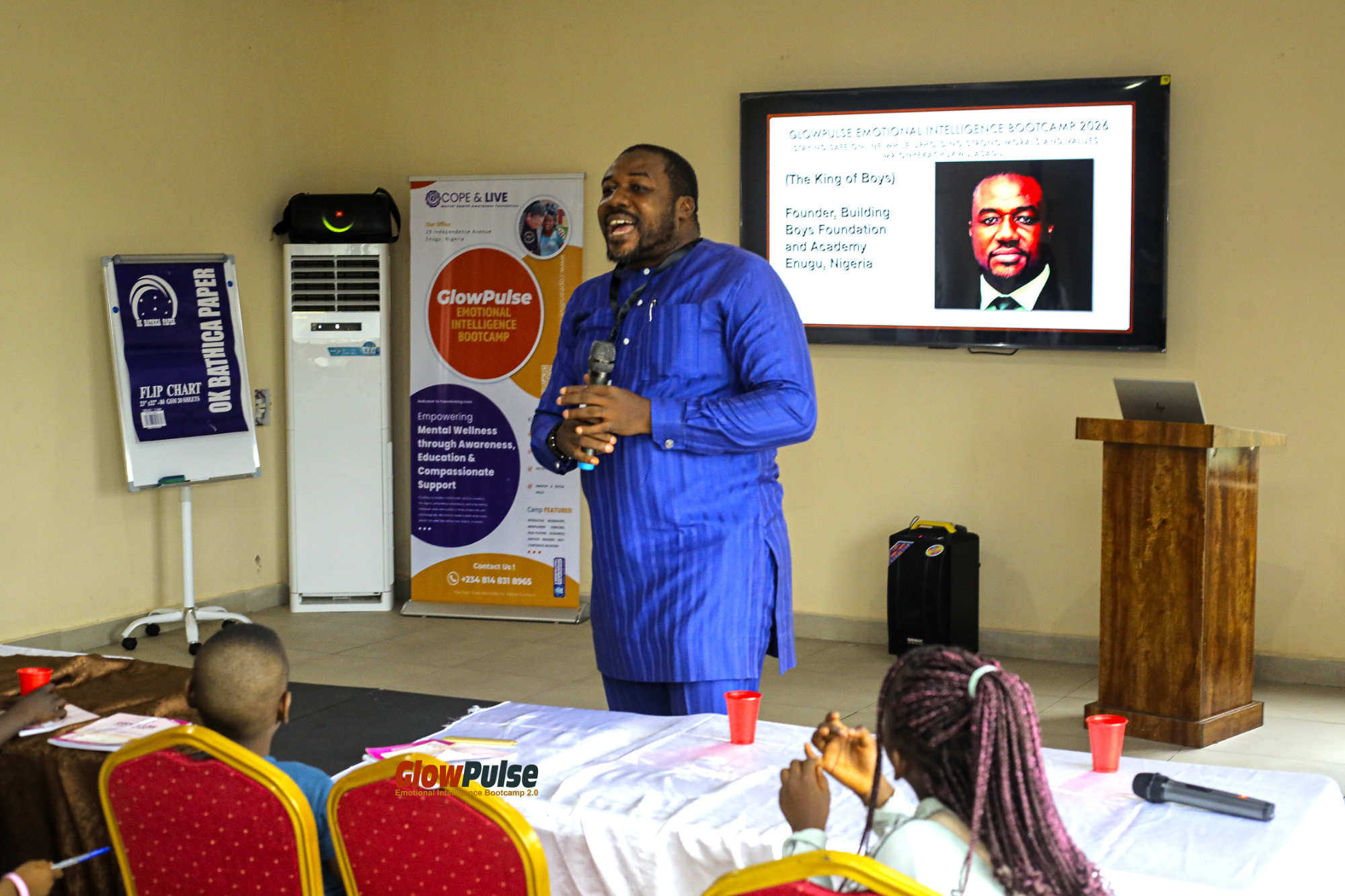
In our just concluded flagship Emotional Intelligence bootcamp for kids, GlowPulse 2.0, Mr. Onyedikachi Bernard Asadu spoke to the children about digital literacy and intentional online safety. The bootcamp was organized by the Cope and Live Mental Health Awareness Foundation and its educational arm, Coli Mental Health Academy, an IAOTH-accredited training provider.

One key lesson: not everyone online needs to know who you are.
Children should protect personal information — theirs and their parents’ — including home address, phone numbers, passwords and school details.
This is not a small issue.
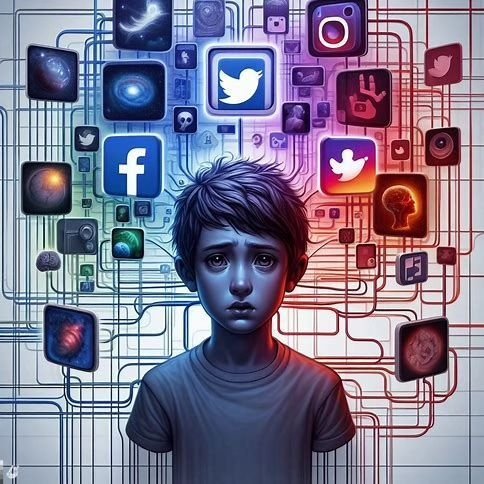
WHO advises limiting recreational screen time and recommends no more than one hour a day for children under five. Higher screen use has been linked to poorer sleep, fitness, cardiometabolic health and mental health. WHO Europe also reported that problematic social media use among adolescents rose from 7% in 2018 to 11% in 2022. Teens with high social media or screen use face elevated risks of anxiety and depression, and the strain often spills into family life.
Accountability is growing too. In August 2026, Meta agreed to pay up to about $17–18 billion to settle U.S. state lawsuits alleging that Facebook and Instagram were designed in ways that addicted children.
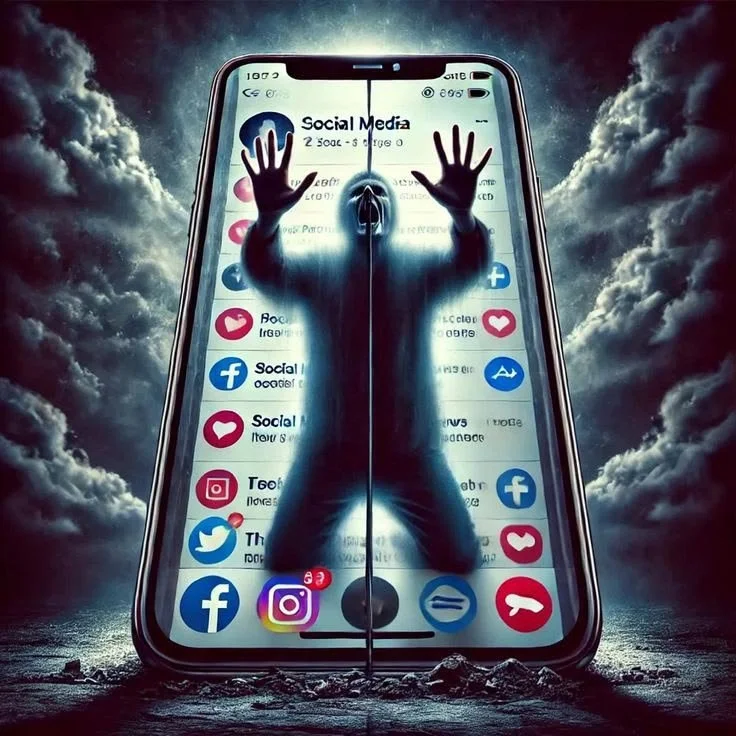
At GlowPulse 2.0, we did not just teach children how to use the internet. We taught them how to use it wisely, responsibly and safely. The Cope and Live Mental Health Awareness Foundation is calling on all parents, caregivers, guardians and all stakeholders to partner with us to keep our kids safe online.
What is one digital safety lesson every child should learn? Share it in the comments.
Article Contributor - Chiderah Chidi