Understanding Negative Self-Talk and Its Impact on Mental Health
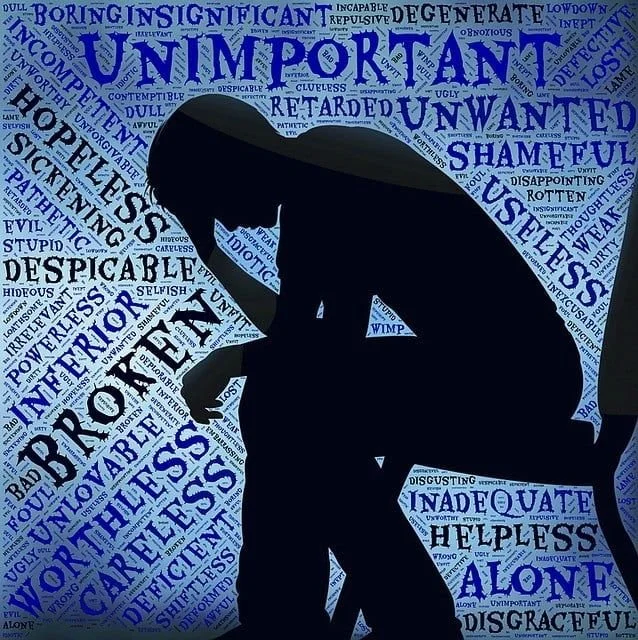
Negative self-talk is the habitual inner dialogue that criticizes, doubts, or belittles oneself. Common examples include thoughts such as “I’m not good enough,” “I always fail,” or “No one truly cares about me.” While occasional self-criticism is normal, when it becomes chronic, it ceases to be fleeting negativity and instead exerts a profound influence on emotional well-being and overall mental health.
Extensive research demonstrates that persistent negative self-talk is one of the strongest predictors of anxiety, depression, and low self-esteem. A comprehensive 2022 meta-analysis published in Clinical Psychology Review concluded that negative self-repetition (repetitive negative thinking about oneself) shows a stronger association with depression than nearly any other cognitive factor, surpassing even rumination and hopelessness in predictive power (Kertz et al., 2022). Importantly, these thoughts are not merely symptoms—they actively perpetuate and intensify psychological distress.
How Chronic Negative Self-Talk Harms Mental Health
It reshapes neural pathways
Through neuroplasticity, repeatedly entertaining self-critical thoughts strengthens the brain circuits that support them. Over time, the brain becomes primed to notice and recall evidence confirming the negative belief while filtering out contradictory information—a process known as confirmation bias. The result is a default perceptual filter that is threat-oriented and self-denigrating.It triggers chronic physiological stress
Each harsh self-judgment activates the body’s stress response, releasing cortisol and adrenaline. When this occurs dozens of times daily, the body remains in a state of low-grade chronic stress, which is a well-established risk factor for anxiety disorders, major depression, and numerous physical health conditions.It erodes self-efficacy and fosters learned helplessness
Relentless self-criticism convinces individuals that effort is futile. This diminished belief in one’s ability to influence outcomes is a core mechanism underlying clinical depression.It promotes social isolation
Beliefs such as “I’m unlikeable” or “People will reject me” lead to withdrawal from relationships. The resulting loneliness reinforces the original negative belief, creating a self-perpetuating cycle.
Common Cognitive Distortions in Negative Self-Talk
Catastrophizing: Expecting the worst possible outcome from a minor setback.
Black-and-white thinking: Viewing situations in extremes (“If it’s not perfect, it’s a total failure”).
Mind-reading: Assuming others are thinking negatively about you without evidence.
Overgeneralization and labeling: Defining your entire identity by a single flaw or mistake (“I’m a complete failure”).
“Should” statements: Imposing rigid, unrealistic rules on yourself (“I should never feel anxious”).
Evidence-Based Strategies to Disrupt the Pattern
The objective is not forced positivity but greater cognitive accuracy and self-compassion.
Notice it first
Most negative self-talk is so automatic you don’t even register it as a thought; you treat it like background noise. Start labeling it: “There’s the ‘I’m worthless’ tape again.” Mindfulness practices (even 5–10 minutes daily) dramatically increases your ability to catch these thoughts in real time.Examine thoughts objectively
Ask:
What actual evidence supports this thought?
What evidence contradicts it?
Would I speak this way to someone I care about?
What would I say to a close friend in the same situation?
Replace with balanced alternatives
Example:
Old: “I completely messed up that presentation. I’m an idiot.”
New: “Parts of the presentation were weaker than I’d hoped, but I conveyed the key message and received some positive feedback. I can refine my skills for next time.”Practice self-compassion
Use Kristin Neff’s widely researched three-step response:
(a) Acknowledge the pain (“This is a moment of suffering”),
(b) Normalize it (“Suffering is part of the shared human experience”),
(c) Offer kindness (“May I be gentle with myself right now”).
Affirm, “I am fearfully and wonderfully made by God”.
Hundreds of studies confirm self-compassion buffers against anxiety and depression (Neff, 2023).
Move your body
10–20 minutes of moderate aerobic exercise rapidly reduces the intensity of negative rumination by increasing brain-derived neurotrophic factor (BDNF) and endocannabinoids.Externalize the thoughts
Get it out of your head. Journaling about the thoughts (not just the events) for 10–20 minutes significantly reduces depression and anxiety scores in study after study. The act of writing slows the thoughts down and creates distance.Seek professional support when needed
Cognitive Behavioral Therapy (CBT), Acceptance and Commitment Therapy (ACT), and Dialectical Behavior Therapy (DBT) are specifically designed to identify and modify distorted thinking patterns. Reach out to access these.
Final Note
Your inner critic often feels like an objective truth-teller, but it is a biased and distorted narrator. Stop allowing it to control your decisions and self-worth by default.
With consistent practice, the same neuroplasticity that built the habit of self-criticism can build a new habit of self-kindness. You deserve to treat yourself with the same protective care you would extend to someone you love—and that someone includes the person who is with you every moment of every day: yourself.
References
Kertz, S. J., et al. (2022). Repetitive negative thinking predicts depression above and beyond established cognitive vulnerabilities: A meta-analysis. Clinical Psychology Review, 94, 102152.
Neff, K. D. (2023). Self-compassion: Theory, method, research, and intervention. Annual Review of Psychology, 74, 193–218.
Kabat-Zinn, J. (2013). Full Catastrophe Living (Revised Edition). Bantam.
Pennebaker, J. W., & Smyth, J. M. (2016). Opening Up by Writing It Down (3rd ed.). Guilford Press.
If you found this article inspiring, please share your thoughts in the comments section below.
To submit an article for publication, please email your contribution to info@copeandlive.foundation. Submissions may be edited prior to publishing. Include your full name as you wish it to appear and any relevant qualifications or citations.
About the Writer:
Mrs Uzoamaka Nwachukwu is the Co-Founder of Cope and Live Mental Health Awareness Foundation. She is a highly qualified professional with expertise as a Trained Child Psychologist and Anti-Bullying Instructor, Microbiologist, Grief & Bereavement Counsellor, Depression Counsellor, Emotional Intelligence Life Coach, EMDR and CBT Life Coach, and Mental Health First Aider. Her love for children, passion and knowledge make her a leading voice in mental health advocacy.
If things are getting out of hand, please call us on +234 814 831 8965 or send us an Email at: info@copeandlive.foundation for tailored guidance.