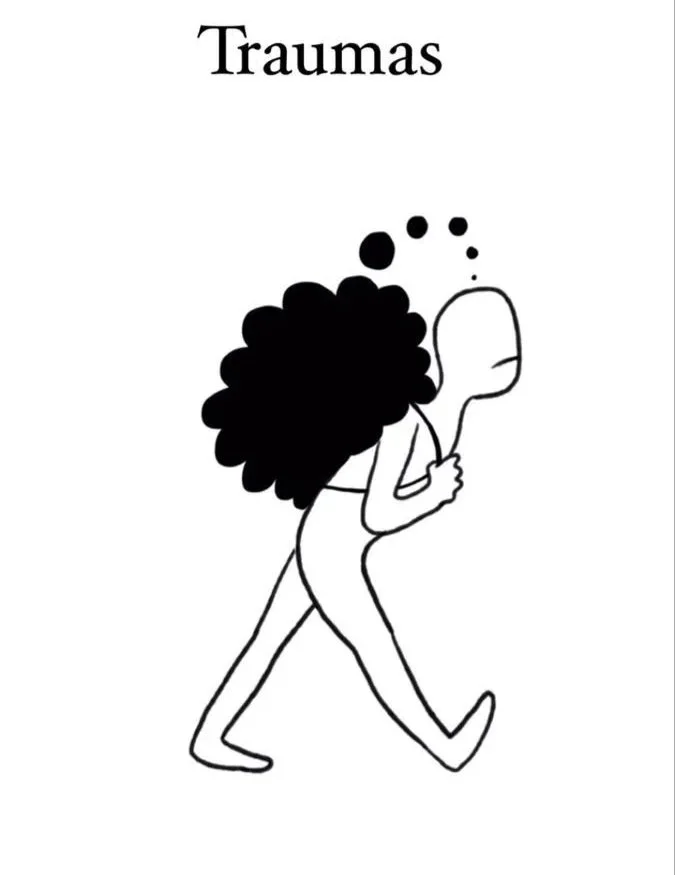
Secondary trauma, also known as secondary traumatic stress (STS) or vicarious trauma, is the emotional and psychological strain that arises from indirect exposure to others’ traumatic experiences. It occurs when you absorb detailed accounts of trauma, witness its devastating effects, or repeatedly support survivors—without having lived through the event yourself.
Think of it like a surgeon performing a complex operation. The doctor doesn’t get sick simply by standing in the operating room. But without proper protective equipment—gloves, mask, gown, and face shield—they risk becoming contaminated by the patient’s blood or bodily fluids. In the same way, when we repeatedly listen to harrowing stories, absorb survivors’ pain, or witness trauma’s aftermath without adequate emotional boundaries and self-protection, we can “catch” the emotional and psychological impact. The exposure is indirect, yet the toll can still be very real.
While the terms overlap, STS often refers to PTSD-like symptoms that can emerge suddenly after an intense exposure. Vicarious trauma typically describes a more gradual, cumulative shift in your worldview—such as beginning to see the world as less safe or people as less trustworthy. In practice, both create very real distress that can feel just as profound as primary trauma.
This is not a sign of weakness or poor coping. It’s a natural human reaction: your brain and body process secondhand pain through deep empathy. When caring professionals, family members, or supporters encounter horror repeatedly, the emotional toll is inevitable—but entirely manageable with awareness and the right protective practices.
Read More: STS Impacts and Who is Most Affected
The Writer: I am Mrs Uzoamaka Nwachukwu, Co-Founder of Cope and Live Mental Health Awareness Foundation (www.copeandlive.foundation) and COLI Academy (www.coliacademy.org).
As a trained Child Psychologist, Microbiologist, Grief & Bereavement Counsellor, Depression Counsellor, Emotional Intelligence Life Coach, EMDR and CBT Practitioner, and certified Mental Health First Aider, I bring deep professional expertise and genuine compassion to every life I touch.
Through counselling & therapy, community outreach, women’s health & hygiene programmes, skill acquisition & vocational training, policy advocacy, research, and innovation, my team and I are building a mentally healthier Nigeria – one conversation, one life, one community at a time.
My greatest love has always been for children, and my passion for mental health drives me to remain a leading voice in advocacy, breaking stigma, healing minds, and helping people not just cope – but truly live.
If things are getting out of hand, please call us on +234 814 831 8965 or send us an Email at: info@copeandlive.foundation for tailored guidance.