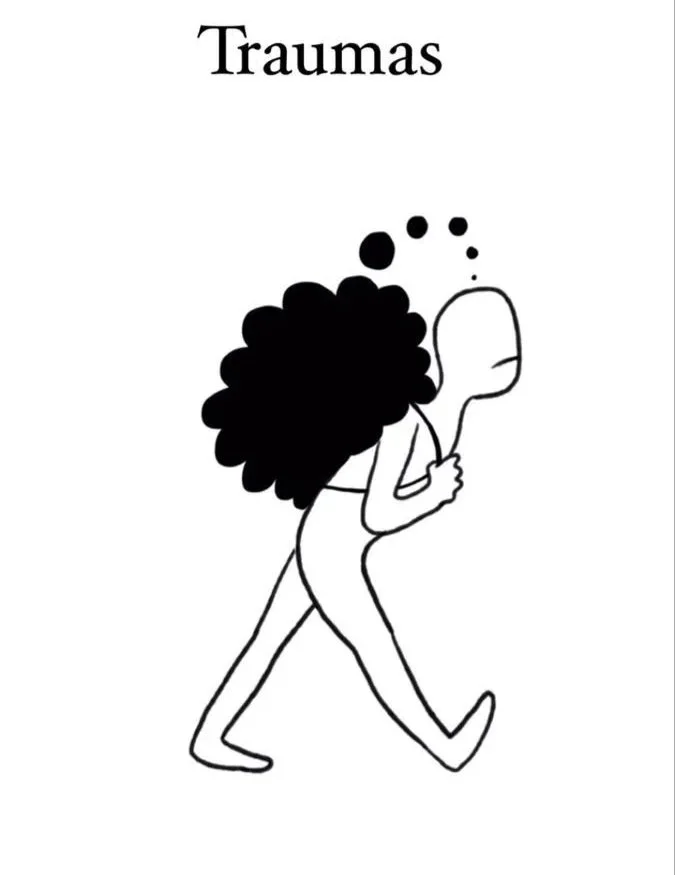
Secondary traumatic stress (STS) or vicarious trauma, mirrors many PTSD symptoms but stems from indirect rather than direct exposure. These effects commonly cluster into three core areas—instrusion, avoidance, and hyperarousal—along with broader disruptions to mood, cognition, and daily functioning:
Emotional and psychological: Anxiety, depression, guilt, irritability, hopelessness, emotional exhaustion, or emotional numbness. Intrusive thoughts, flashbacks, or nightmares about the stories you've heard are common.
Cognitive: Difficulty concentrating, memory lapses, reduced self-efficacy, black-and-white thinking, or a diminished sense of safety and trust in the world.
Behavioral and physical: Sleep disturbances, changes in appetite, social withdrawal, hypervigilance, increased substance use, or somatic symptoms like muscle tension, elevated heart rate, and weakened immunity.
On a professional level, STS can lead to decreased performance, higher error rates, burnout, absenteeism, or even leaving the field. Personally, it strains relationships through irritability or emotional unavailability. Over time, it may progress to compassion fatigue or, in severe cases, full PTSD or suicidal ideation if left unaddressed.
The encouraging news: these effects are often reversible with timely awareness and targeted action. Untreated, however, they compound—especially in high-exposure roles—resulting in high staff turnover and reduced quality of care for those who need it most.
Prevalence is notably high. Research indicates that 6–26% of therapists working with traumatized clients face elevated risk, with rates reaching up to 50% among child welfare workers and 19–39% of various helping professionals meeting criteria for PTSD-like STS symptoms. During high-intensity periods like the COVID-19 pandemic, some healthcare groups reported rates as high as 53–74%.
Why It Matters
Secondary trauma doesn't discriminate by personality or "sensitivity." Anyone facing repeated or intense indirect exposure to trauma is vulnerable. For many, it becomes an occupational hazard rather than a personal failing.
Groups at Highest Risk
Helping and frontline professionals: Therapists, counselors, social workers, child welfare workers, healthcare providers (particularly in ER, ICU, oncology, or pandemic response), first responders (paramedics, firefighters, police), journalists covering crises, lawyers handling victim cases, educators, and disaster-relief workers.
Family and loved ones: Partners, parents, or children who provide ongoing emotional support and absorb survivors' stories in daily life.
High-risk amplifiers: Individuals with a personal history of trauma (prevalent in up to 80%+ of some mental health fields), those with high empathy, heavy caseloads of trauma survivors, limited supervision or support, or those early in their careers.
Strong empathy—the very quality that makes you effective in these roles—ironically heightens vulnerability. It allows deep connection but also opens the door to absorbing others' pain. Personal trauma history can further sensitize the nervous system, while heavy workloads without adequate recovery time accelerate the buildup.
Recognizing these risk factors is the first step toward proactive protection. Secondary trauma thrives in silence and isolation; naming it normalizes the experience and empowers those affected to act.
Read the final part here: STS Prevention, Coping, and Recovery
The Writer: I am Mrs Uzoamaka Nwachukwu, Co-Founder of Cope and Live Mental Health Awareness Foundation (www.copeandlive.foundation) and COLI Academy (www.coliacademy.org).
As a trained Child Psychologist, Microbiologist, Grief & Bereavement Counsellor, Depression Counsellor, Emotional Intelligence Life Coach, EMDR and CBT Practitioner, and certified Mental Health First Aider, I bring deep professional expertise and genuine compassion to every life I touch.
Through counselling & therapy, community outreach, women’s health & hygiene programmes, skill acquisition & vocational training, policy advocacy, research, and innovation, my team and I are building a mentally healthier Nigeria – one conversation, one life, one community at a time.
My greatest love has always been for children, and my passion for mental health drives me to remain a leading voice in advocacy, breaking stigma, healing minds, and helping people not just cope – but truly live.
If things are getting out of hand, please call us on +234 814 831 8965 or send us an Email at: info@copeandlive.foundation for tailored guidance.