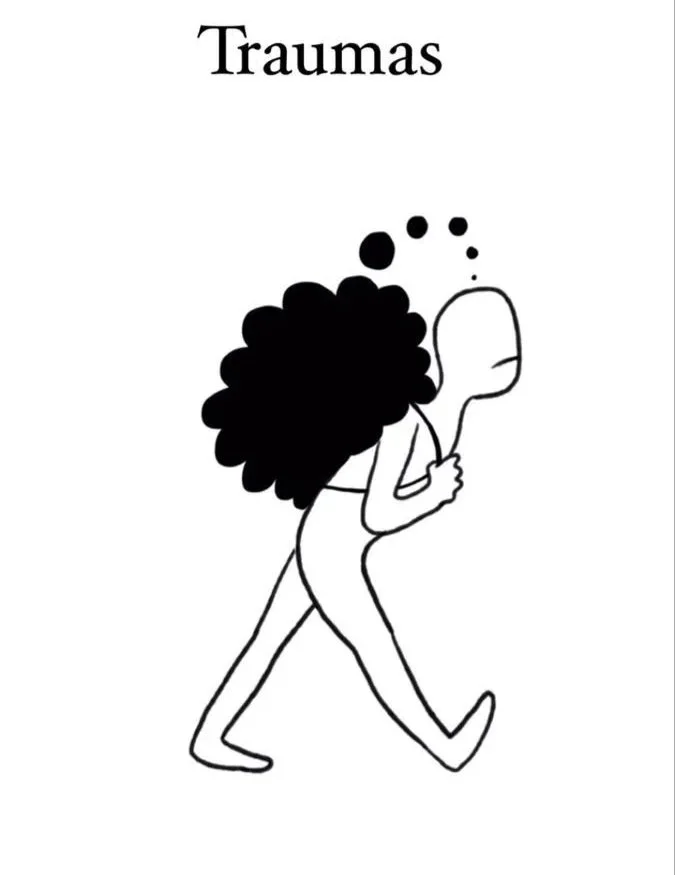
Secondary trauma is preventable and treatable when addressed through a balanced approach: individual self-care, organizational support, and professional intervention when needed. Evidence consistently supports a core triad—psychoeducation (understanding the condition), skills training, and quality supervision—as highly effective for reducing symptoms and building long-term resilience.
Focus on problem-solving: identify early signs, implement targeted actions, monitor progress, and adjust as needed. The goal is not just symptom relief but restoring balance, protecting your well-being, and sustaining your ability to help others effectively.
Individual-Level Strategies (Actionable Steps You Can Start Today)
Build self-awareness and boundaries as foundational defenses. Track early warning signs (e.g., irritability, intrusive thoughts, or exhaustion) through simple daily check-ins or journaling. Set firm limits, such as designated "no trauma talk" windows in the evening or protected downtime after intense sessions.
Prioritize foundational self-care—the non-negotiables backed by research for countering emotional and physical drain:
Consistent sleep hygiene
Regular physical activity
Balanced nutrition
Adequate hydration
These basics directly bolster resilience against stress.
For active coping, emphasize problem-focused strategies over avoidance, as they prove more effective at lowering STS symptoms. Useful tools include:
Mindfulness practices or scripture-based reflection
Journaling
Creative outlets like art or music
Time in nature
Deliberately foster social connection—reach out to trusted peers, friends, or family who understand your work. Reframe distorted beliefs (e.g., "the world is entirely unsafe") through cognitive restructuring techniques. Schedule intentional joy, hobbies, and meaning-making activities outside of work to recharge and restore perspective.
Organizational and Systemic Solutions (For Leaders and Workplaces)
High-risk fields have a responsibility to address STS structurally, not just individually. Evidence highlights several proven organizational practices that reduce symptoms and improve retention:
Provide regular training on STS recognition, prevention, and resilience-building.
Implement reflective supervision, peer support groups, and balanced/diverse caseloads to prevent overload.
Foster a non-stigmatizing culture through wellness programs, Employee Assistance Programs (EAPs), flexible scheduling, and open discussions about secondary trauma.
Adopt trauma-informed policies such as post-incident debriefings, staff input on workloads, and opportunities for meaningful connection to the organization's mission.
Research shows that strong peer networks, supportive supervision, and diversified workloads are among the most protective factors. Organizations that normalize self-care and invest in these systems see lower turnover and better outcomes for both staff and clients.
When and How to Seek Professional Help
If symptoms persist beyond a few weeks and interfere with work, sleep, relationships, or daily life—or if you experience significant avoidance, intrusive thoughts, or hopelessness—professional support is a smart, evidence-based step. Effective options include:
Trauma-focused therapies such as Cognitive Processing Therapy (CPT), Prolonged Exposure, or Trauma-Focused CBT, which have strong empirical support for addressing PTSD-like symptoms from secondary exposure.
Mindfulness-based interventions or counseling specifically tailored to helping professionals.
Many workplaces offer free or low-cost EAPs designed for exactly these challenges.
Final Encouragement
Secondary trauma is common in caring roles, but it doesn't have to define your life or career. With knowledge, consistent habits, and the right support, most people not only recover but emerge more resilient—often becoming even more effective helpers because they've learned to safeguard their own well-being.
Start small today: choose one self-care practice, initiate one honest conversation with a colleague or supervisor, or explore available resources. You're not alone, and taking action is one of the most compassionate steps you can take—for yourself and for everyone you support.
The Writer: I am Mrs Uzoamaka Nwachukwu, Co-Founder of Cope and Live Mental Health Awareness Foundation (www.copeandlive.foundation) and COLI Academy (www.coliacademy.org).
As a trained Child Psychologist, Microbiologist, Grief & Bereavement Counsellor, Depression Counsellor, Emotional Intelligence Life Coach, EMDR and CBT Practitioner, and certified Mental Health First Aider, I bring deep professional expertise and genuine compassion to every life I touch.
Through counselling & therapy, community outreach, women’s health & hygiene programmes, skill acquisition & vocational training, policy advocacy, research, and innovation, my team and I are building a mentally healthier Nigeria – one conversation, one life, one community at a time.
My greatest love has always been for children, and my passion for mental health drives me to remain a leading voice in advocacy, breaking stigma, healing minds, and helping people not just cope – but truly live.
If things are getting out of hand, please call us on +234 814 831 8965 or send us an Email at: info@copeandlive.foundation for tailored guidance.