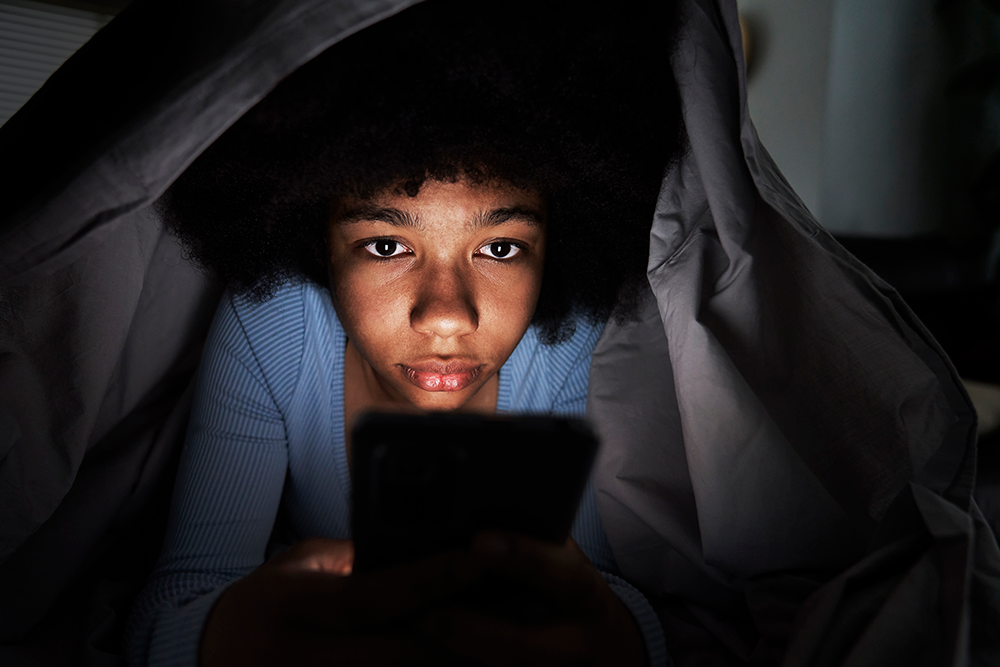
In today's digital landscape, parents face a pivotal question: Are you raising screen-dependent children or fostering creative, resilient minds? With young children averaging around 2.5 hours of daily screen time and many teens exceeding 7 hours, the shift from passive consumption to active creation profoundly influences brain development, emotional regulation, and long-term mental health.
The Landscape of Screen Use
Digital devices are ubiquitous—from tablets for toddlers to smartphones and streaming for school-aged children and teens. While high-quality, interactive content can support learning, excessive passive use (short-form videos, mindless scrolling, or non-educational gaming) frequently displaces real-world experiences.
According to the 2025 Common Sense Media Census, children ages 0–8 average about 2.5 hours of screen media per day, with notable increases in gaming and short-form videos like YouTube Shorts and TikTok. Tweens (8–12) often reach 5–6 hours of entertainment screen time, while teens (13–18) commonly average 7–9 hours daily, with over 50% of U.S. teens reporting 4+ hours and some studies indicating averages near 7 hours 22 minutes or higher in certain demographics. In contexts like urban Nigeria, similar patterns emerge, compounded by growing mobile access, where children may accumulate several hours daily through videos, games, and social networking.
This heavy reliance on screens can crowd out unstructured play, hands-on exploration, outdoor activity, and face-to-face interactions—foundational elements for creativity, problem-solving, and social-emotional growth.
Mental Health Implications of Excessive Screen Time
Research consistently associates higher levels of recreational (non-school) screen time with elevated risks of mental health challenges in children and adolescents, though relationships are often complex, dose-dependent, and bidirectional.
Anxiety and Depression: Teens with higher daily non-school screen time show markedly higher rates of depression symptoms (approximately 26% vs. 9.5% in lower-screen peers) and anxiety symptoms (27% vs. 12%). Meta-analyses indicate a positive association, with greater screen time linked to increased odds of depressive symptoms (e.g., OR around 1.20 in prospective studies). Dose-response patterns appear, particularly with social media and gaming, though effects vary by content, gender, and individual factors.
Emotional and Behavioral Issues: Elevated screen use correlates with both internalizing problems (anxiety, withdrawal, low self-esteem) and externalizing ones (aggression, hyperactivity, irritability). A vicious cycle may develop, where emotional difficulties prompt more screen use for coping, potentially exacerbating symptoms.
Sleep, Attention, and Physical Health: Blue light exposure, overstimulation, and late-night use disrupt sleep patterns, contributing to fatigue, irregular bedtimes, and reduced attention spans. These factors can mimic or amplify ADHD-like symptoms and compound mood issues. Higher screen time also links to lower physical activity and weight concerns.
Social and Self-Esteem Impacts: Constant connectivity can fuel social comparison, FOMO (fear of missing out), and cyberbullying risks, eroding self-worth and real-world social skills. Reduced peer interactions and physical movement may heighten feelings of isolation.
Children and teens spending 4–7+ hours daily on recreational screens face heightened risks compared to those with minimal use, with physical activity and sleep acting as key mediators. Importantly, not all screen time is equivalent: interactive, educational, or co-viewed content shows more neutral or potentially supportive effects, while passive consumption drives most concerns.
The Benefits of Fostering Creative, Active Play
In contrast, creative and low-screen activities build resilience, joy, and foundational skills. Unstructured play—such as building with blocks, role-playing, drawing, storytelling, or outdoor exploration—engages multiple senses and the whole body in ways screens cannot replicate.
These experiences strengthen problem-solving, emotional regulation, empathy, flexible thinking, and self-regulation. Research highlights that free play reduces stress, enhances focus and mastery ("I created this!"), supports better sleep through physical movement, and promotes stronger social skills with fewer behavioral issues. Long-term, it nurtures critical thinking, innovation, intrinsic motivation, and the capacity to handle boredom productively—protective factors against mental health struggles. Declines in pretend play and mental imagery, partly linked to rising screen dominance, underscore the value of preserving these developmental building blocks.
Achieving a Healthier Balance
The objective is not to eliminate screens—many offer educational value—but to promote intentional, balanced use that supports overall development. Current American Academy of Pediatrics (AAP) guidance (updated 2026) emphasizes quality, context, and co-use over rigid limits alone, using a "5 Cs" framework (Child, Content, Context, Co-viewing, Crowding out). Classic recommendations include:
Under 18–24 months: No screen time, except for video chatting with caregivers.
Ages 2–5: Limit to about 1 hour per day of high-quality, co-viewed content.
Ages 6+: Consistent family limits, with tech-free zones (e.g., meals, bedrooms, bedtime) and prioritization of sleep, physical activity, and offline pursuits.
Practical strategies to encourage creativity:
Model healthy habits: Parents reducing their own screen time powerfully influences children.
Provide rich alternatives: Stock art supplies, puzzles, outdoor games, or a "boredom jar" with ideas like fort-building or storytelling. Transform screen-inspired interests into real-world projects (e.g., drawing video game characters or acting out stories).
Establish routines: Schedule screen-free family evenings, daily outdoor time, or home "creation stations."
Engage collaboratively: Involve children in setting rules; celebrate non-screen accomplishments. When using screens, opt for active formats like coding, digital art, or educational apps.
Monitor thoughtfully: Watch for dependency signs (irritability offline, neglected hobbies) and address root needs like boredom or anxiety through connection and activities rather than devices.
Contextual adaptations: In busy urban settings like Nigeria, start small with weekend park visits, local storytelling, or affordable crafts using everyday materials.
Raising creative minds demands consistent effort, yet the rewards are substantial: children who develop greater emotional stability, imagination, intrinsic motivation, and adaptability to life's challenges. Screens are powerful tools, not default babysitters. By prioritizing active play and meaningful experiences over passive pixels, parents invest in resilient, fulfilled futures.
The question is not whether screens exist in childhood, but what kind of mental landscape and capabilities we cultivate. Begin today: set the device aside and engage with a ball, crayon, book, or conversation. Your child's developing brain and future self will benefit profoundly.
Further Reading:
For online addicts, relationships float between real, virtual worlds - http://edition.cnn.com/2008/BUSINESS/01/29/digital.addiction/index.html
50% of teens feel addicted to their phones, poll says - CNN - https://www.cnn.com/2016/05/03/health/teens-cell-phone-addiction-parents
The age of digital addiction | CNN Business - https://www.cnn.com/videos/tech/2015/04/09/newsstream-age-of-digital-addiction-harris.cnn
Addiction in the digital age | CNN - https://www.cnn.com/videos/world/2015/11/23/spc-vital-signs-age-of-addiction-b.cnn
Teens spend 9 hours a day using media, report says - CNN - https://www.cnn.com/2015/11/03/health/teens-tweens-media-screen-use-report
Opinion: Facebook threatens to ‘Zuck up’ the human race - CNN - https://www.cnn.com/2012/05/30/tech/keen-technology-facebook-privacy
The Writer: I am Mrs Uzoamaka Nwachukwu, Co-Founder of Cope and Live Mental Health Awareness Foundation (www.copeandlive.foundation) and COLI Academy (www.coliacademy.org).
As a trained Child Psychologist, Microbiologist, Grief & Bereavement Counsellor, Depression Counsellor, Emotional Intelligence Life Coach, EMDR and CBT Practitioner, and certified Mental Health First Aider, I bring deep professional expertise and genuine compassion to every life I touch.
Through counselling & therapy, community outreach, women’s health & hygiene programmes, skill acquisition & vocational training, policy advocacy, research, and innovation, my team and I are building a mentally healthier Nigeria – one conversation, one life, one community at a time.
My greatest love has always been for children, and my passion for mental health drives me to remain a leading voice in advocacy, breaking stigma, healing minds, and helping people not just cope – but truly live.
If things are getting out of hand, please call us on +234 814 831 8965 or send us an Email at: info@copeandlive.foundation for tailored guidance.