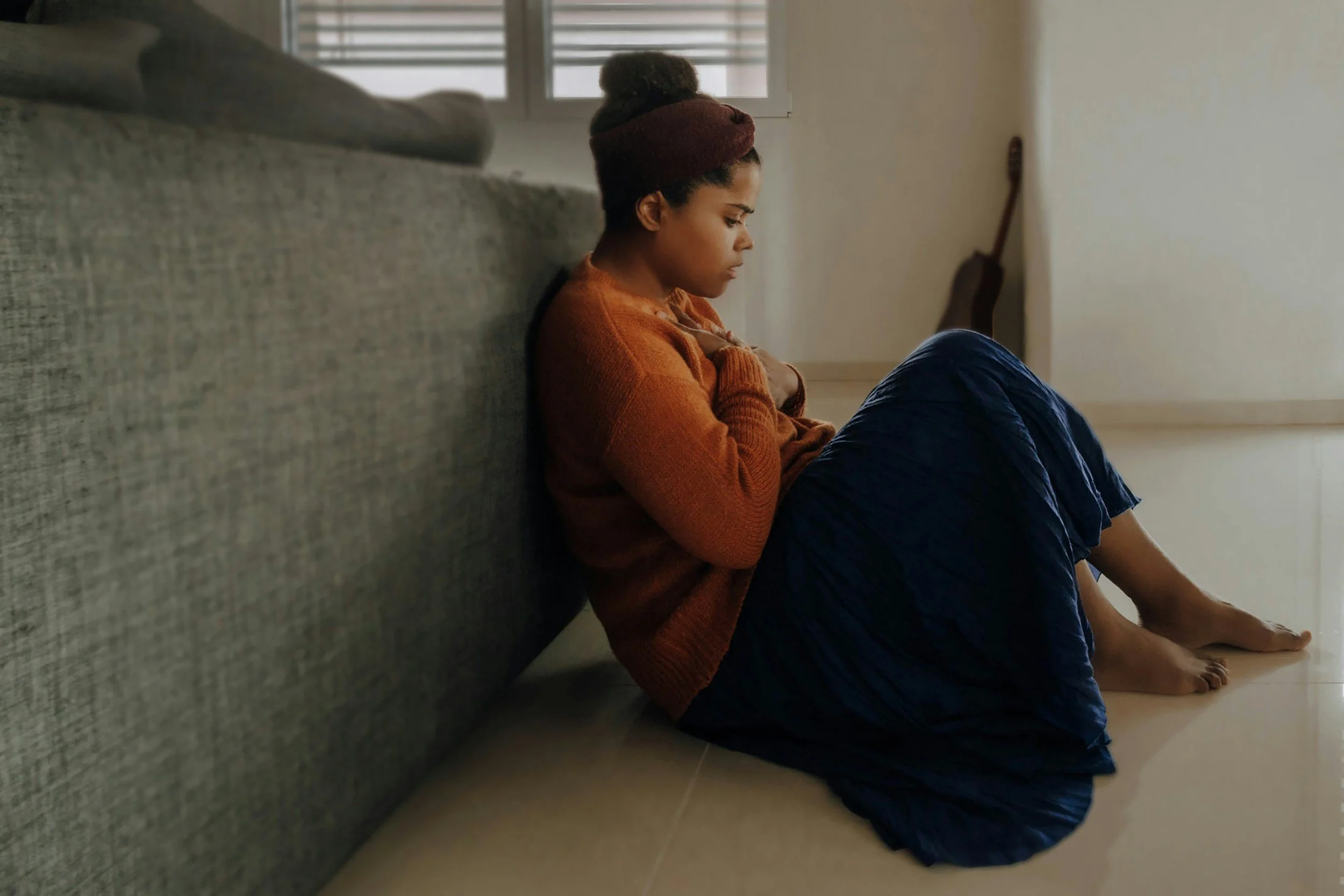
Why Is It So Difficult for Us to Talk About Suicide?

We talk about cancer, malaria, and diabetes. We encourage people to seek help when they are physically unwell. But when the conversation turns to suicide, many people suddenly become uncomfortable.
Why?
Here are some of the reasons.
Stigma
Suicide is still viewed by many people as something shameful. When someone dies by suicide, families may be afraid of what others will say. When we attach shame to suicide, we make it harder for people who are struggling to speak before they reach a crisis point.

Fear of being judged
Someone may be struggling deeply and still think:
“What if they think I’m weak?”
“What if they tell me I’m ungrateful?”
“What if they start treating me differently?”
Sometimes the fear of being judged is enough to make someone keep everything to themselves.
Cultural and other expectations
In many families and communities, including religious communities, there are strong expectations about how people should behave, especially around strength, responsibility, and resilience. Young people may be told to “be strong.” Adults may be expected to have everything figured out. Men in particular may feel pressure to appear strong and handle their problems without asking for help.
Being expected to be strong does not mean a person never struggles. Asking for help does not make someone weak. Sometimes conversations around suicide are reduced to statements that make people afraid to disclose what they are experiencing. When someone is already struggling, silencing them can push them further into silence.

Your Role
Talking about suicide does not mean encouraging it. People need someone who is willing to listen, take them seriously, and help them get the right support. That is why we need to change the way we talk about suicide.
Suicide prevention is not only the responsibility of mental-health professionals. Families and friends, schools, workplaces, and religious communities all have a role to play.
We need to encourage environments where people can say, “I’m struggling,” without being mocked or dismissed.
We need adults who know what to do when a young person begins showing signs of serious emotional distress.
We need teachers and employers who understand that someone’s performance may sometimes be affected by what they are carrying emotionally.
And we need ordinary people to become more comfortable with difficult conversations—not because everyone should become a mental-health professional, but because knowing how to respond when someone is struggling can matter.
This September is Suicide Prevention Awareness Month, and we are creating a space where these conversations can happen openly and respectfully.
Let’s talk: Toll-free helpline: 0800000COPE (0800 000 2673)
Every Friday in September at 9 AM, we will make room to talk about suicide prevention, mental health, support, and the things we often find difficult to say out loud.
Come with your questions.
Come with your experiences.
Most importantly, come with an open mind.
What do you think makes it difficult for people in our communities to talk openly about suicide? Share it in the comments.