Beating Loneliness One Step at a Time: Lessons from the Ozalla Mind and Body Outreach
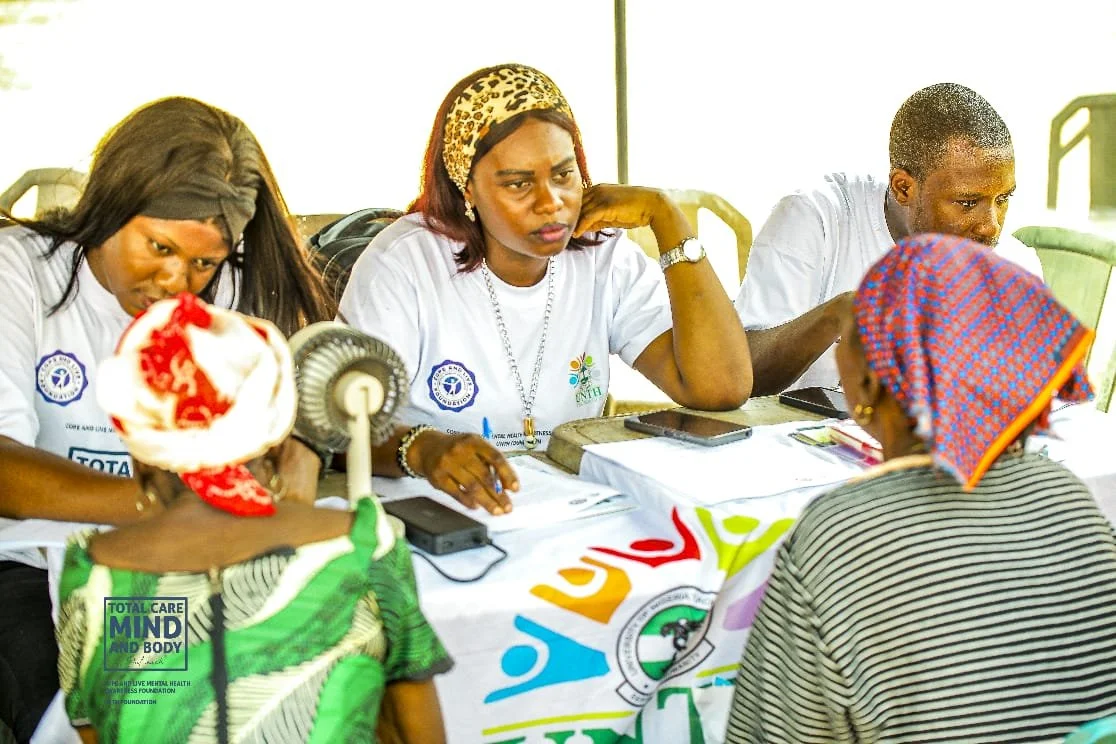
The challenges of social isolation, loneliness, and cognitive decline among seniors and retirees are pressing realities in communities across Nigeria, including rural and semi-urban areas like Ameke Ozalla in Enugu State. These issues are far from abstract—they affect daily lives, exacerbated by factors such as rural-to-urban migration of younger family members, the erosion of traditional extended family support systems, and retirement-related disruptions to routine and purpose.
Globally, social isolation (an objective lack of social contacts) affects approximately 1 in 3 older adults, while loneliness (the subjective feeling of disconnection) impacts 25–30% of those aged 60 and older, according to recent meta-analyses. In the United States, 2025 data show about 4 in 10 adults aged 45 and older reporting loneliness, an increase from previous years. Prevalence varies regionally, with higher rates in North America (around 30.5%) and lower in Africa (around 15%). Recent large-scale analyses link loneliness to a ~31% increased risk of all-cause dementia (and up to higher estimates for Alzheimer's in some studies), while social isolation independently raises dementia risk by 27–40%, even after adjusting for factors like depression. These psychosocial issues contribute to a bidirectional vicious cycle: cognitive impairment reduces social engagement, worsening isolation and loneliness, which in turn accelerates decline. Other consequences include elevated risks of depression, anxiety, cardiovascular disease, and weakened immune function.
In Nigeria, loneliness among older adults and retirees hovers around 20–22% in various studies (e.g., 21.8% among retirees in Northcentral Nigeria, with co-occurring high rates of depression at 52% and anxiety at 27.7%), influenced by family migration, weakening communal structures, and challenges to intergenerational care. Retirement often strips away structured interactions and purpose, while age-related losses—like the death of spouses or peers and reduced mobility—make forming new connections harder.
Evidence-based strategies can mitigate these risks and enhance quality of life:
Foster social connections through regular family interactions, community groups, senior clubs, religious organizations, or volunteering.
Cultivate purpose and mental stimulation via hobbies, adult education, light exercise, or part-time roles.
Seek professional support like counseling, therapy, or support groups for persistent distress.
Adopt healthy habits, including balanced nutrition, regular activity, and routine medical check-ups to catch early signs of withdrawal or cognitive changes.
Small, consistent efforts—such as joining local centers, churches, or family networks—can yield substantial benefits and potentially delay cognitive deterioration.
This is why the Cope and Live Mental Health Awareness Foundation, in partnership with the UNTH Foundation, organized the Total Care Mind and Body Outreach on Saturday, January 24, 2026, at the Community Primary School Field in Ameke Ozalla, Enugu State. This holistic intervention directly tackled the interconnected issues of physical health, mental well-being, and social disconnection among seniors.
The event reached over 100 participants aged 60+ and retirees, including those from low-income households, retired civil servants, farmers, and homemakers. Supported by around 50 personnel, it provided free integrated services: medical and dental screenings, wellness education (including breathing and stretching exercises), targeted mental health discussions on isolation, loneliness, and dementia risks, counseling sessions, and screenings for HIV/Syphilis combo and TB (conducted by CARITAS Nigeria Enugu office).
Approximately 70% of attendees received at least one referral for follow-up care, facilitating early detection and intervention. Participant feedback highlighted appreciation for the age-specific, holistic approach, increased health awareness, and motivation to adopt healthier habits and coping strategies.
The outreach embodied proven prevention methods by fostering social connections through in-person community gathering and shared experiences, countering shrinking social circles and family migration strains common in Nigeria. It raised awareness of the links between loneliness, isolation, and dementia (potentially reducing the 30–50% elevated risk tied to disconnection), while promoting purpose through wellness practices, education, and proactive health management (diet, exercise, early monitoring). By integrating physical and mental health services, it addressed how isolation worsens depression, anxiety, heart disease, and immunity, offering practical tools to break the vicious cycle. Ultimately, it built community resilience, strengthened local ties, reduced future healthcare burdens through prevention, and encouraged sustained engagement like joining senior groups or family networks.
Events like this Total Care Mind and Body Outreach show that targeted, community-led actions deliver tangible, lasting benefits: improved quality of life, delayed cognitive issues, reduced emotional distress, and a stronger foundation for healthy aging in Nigerian communities.
If things are getting out of hand, please call us on +234 814 831 8965 or send us an Email at: info@copeandlive.foundation for tailored guidance.