The Youth Revolution in Education – Starting with Mental Health
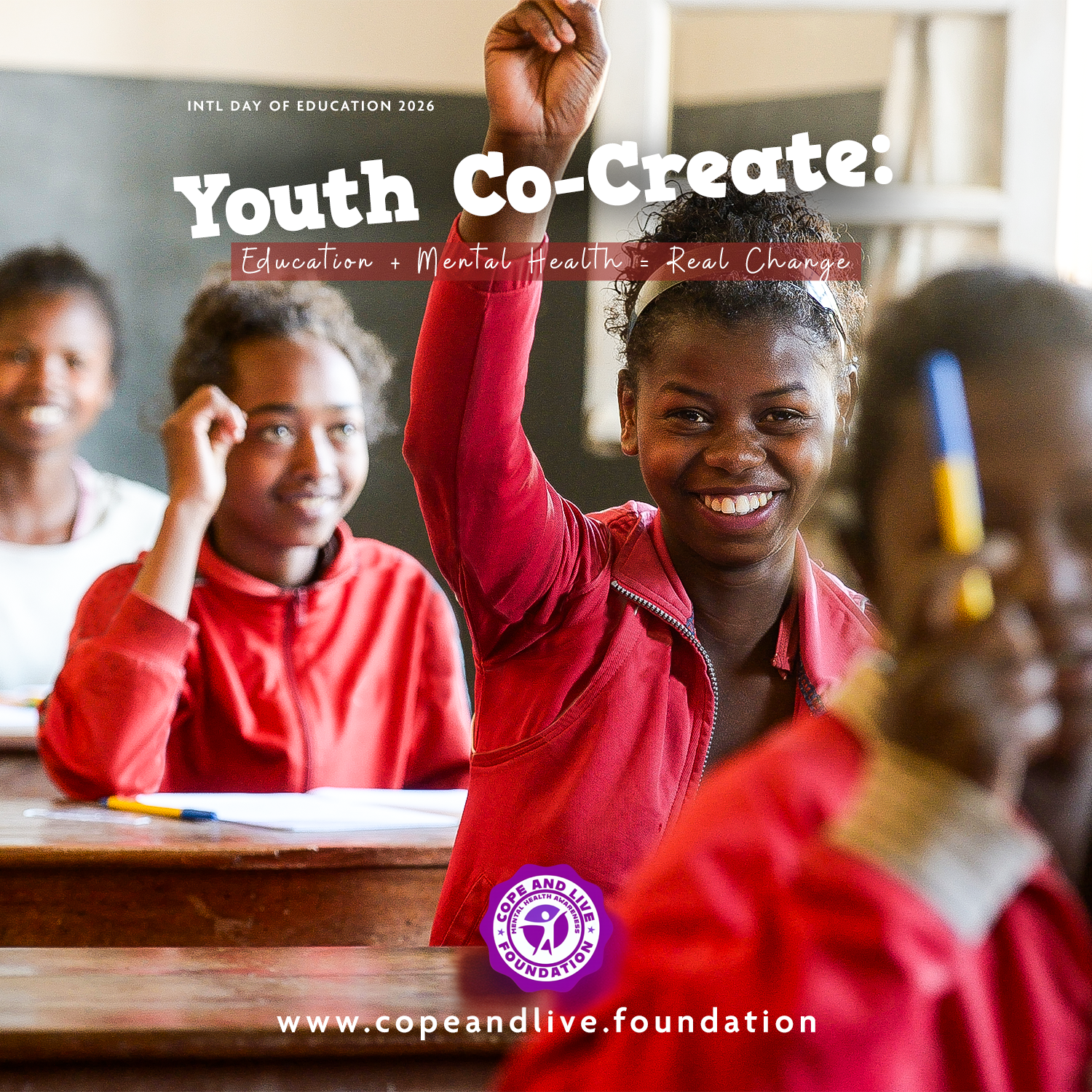
On January 24, the world observes the International Day of Education, a United Nations-designated occasion that honors education's vital role in building peace, advancing sustainable development, and safeguarding human rights.
This year's theme, "The power of youth in co-creating education", shifts the spotlight to young people—not merely as recipients of knowledge, but as active architects of change. With more than half the global population under 30, youth represent a dynamic force for innovation and transformation. They are increasingly stepping into decision-making spaces, helping redesign education systems, policies, and practices to better address contemporary realities—from rapid technological evolution to shifting social needs. UNESCO's initiatives, including youth-led events, the launch of new metrics on student participation in policymaking, and the SDG4 Youth & Student Network, highlight this growing commitment to youth-centered education.
A crucial yet often overlooked aspect of this theme is mental health awareness and support within education. Today's young people face unprecedented pressures: intense academic expectations, social media scrutiny, economic instability, peer challenges, and global uncertainties. These factors contribute to alarming rises in anxiety, depression, and other mental health issues, which in turn undermine learning, motivation, and long-term well-being. Education systems that overlook mental health leave young people ill-equipped for life's full demands.
The theme's emphasis on youth co-creation intersects powerfully with mental health in several ways:
Youth as advocates and designers: Young people can drive the integration of mental health literacy into curricula—advocating for programs that teach emotional regulation, stress management, resilience-building, and recognition of distress signals. When youth help shape these resources, they become more authentic, relatable, and stigma-reducing, encouraging open conversations and timely help-seeking.
Building supportive school climates: Positive environments built on strong relationships, social-emotional learning (SEL), and restorative justice practices directly bolster mental health. Youth-led efforts—such as peer support networks, anti-bullying campaigns, or wellness policies—cultivate a true sense of belonging and strengthen community resilience. Evidence shows that SEL-focused schools experience lower rates of depression and anxiety, fewer behavioral problems, better attendance, and improved academic performance.
Advancing accessible intervention and holistic well-being: By co-creating education, youth can push for school-based mental health services, including on-site counselors, psychologists, or community partnerships. Educational settings often serve as the first point of contact for mental health support, so youth-informed approaches—culturally responsive programs, digital awareness tools, or peer-led initiatives—ensure services meet real, lived needs.
Connecting to human rights, peace, and social cohesion: Embedding mental health education upholds the fundamental right to health and well-being. It equips youth with empathy, emotional intelligence, and conflict-resolution skills—foundational elements for preventing violence, promoting understanding, and sustaining peaceful communities.
This International Day of Education, let's commit to amplifying youth voices in reimagining education systems that nurture mental and emotional health alongside intellectual growth. When young people lead in co-creating learning environments that prioritize well-being, we invest in healthier individuals, more compassionate communities, and a truly peaceful world.
Governments, educators, parents, policymakers, and civil society must actively support and resource youth leadership in this effort—because genuine empowerment starts with caring for the whole person.
#EducationDay #IDE2026 #YouthInEducation #MentalHealthMatters #CoCreateEducation
If things are getting out of hand, please call us on +234 814 831 8965 or send us an Email at: info@copeandlive.foundation for tailored guidance.