Bridging Gaps, Healing Minds: The Mental Health Imperative of Social Inclusion
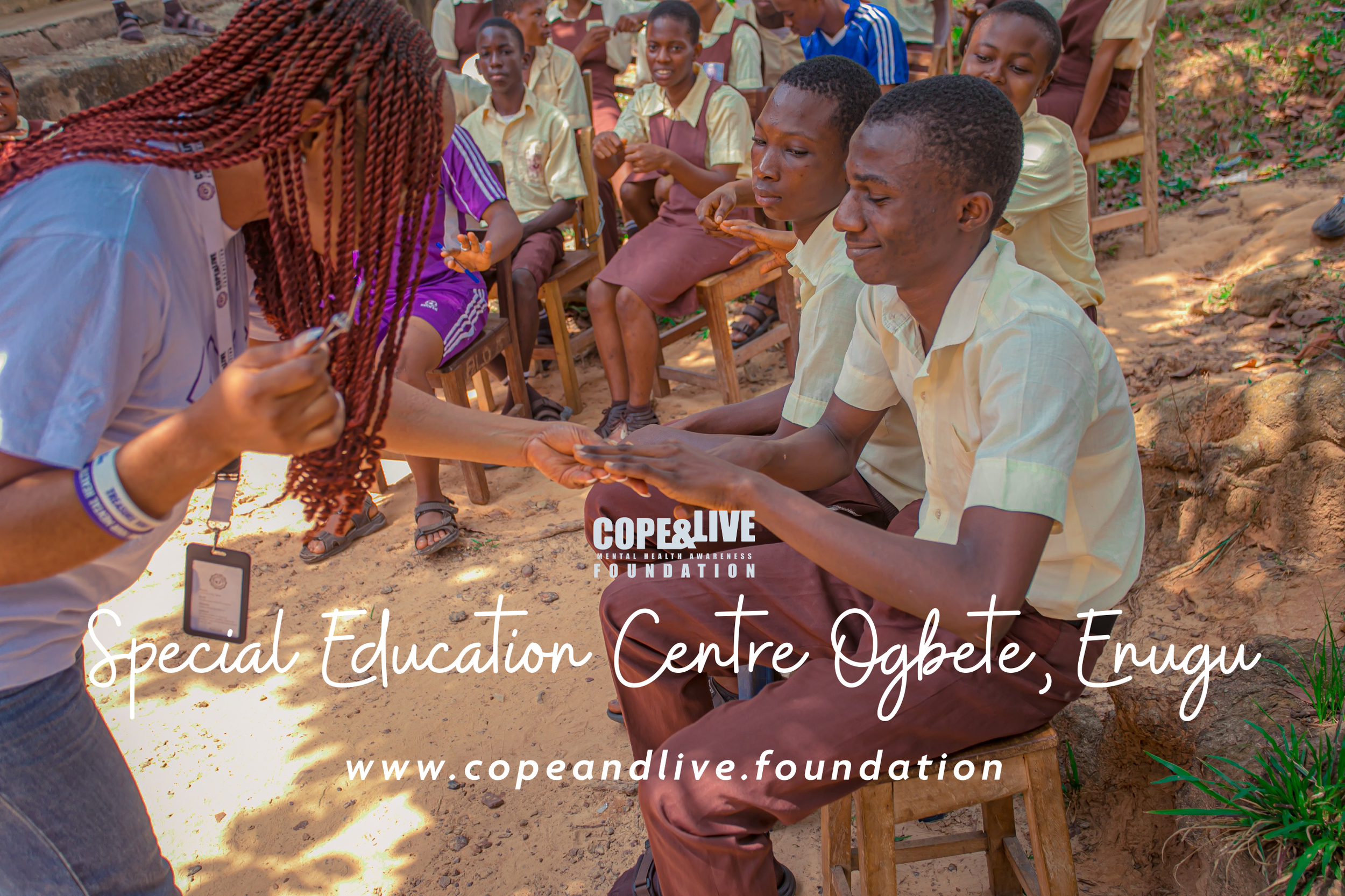
World Day of Social Justice, observed annually on February 20 by the United Nations, promotes efforts to eradicate poverty, ensure decent work, and secure equal access to social well-being for all. The 2026 theme, “Empowering Inclusion: Bridging Gaps for Social Justice,” highlights the need to address systemic inequalities that marginalize vulnerable populations.
Social justice discussions often center on economic and political structures, yet an overlooked dimension is mental health. Social exclusion, inequality, and discrimination are powerful determinants of psychological well-being. Bridging social gaps is therefore a public mental health imperative.
The Bible frequently addresses themes of justice, particularly God's concern for the vulnerable, fair treatment, opposition to oppression, and care for the marginalized—such as the poor, widows, orphans, foreigners (sojourners), and the oppressed. These passages emphasize doing justice as an essential part of faithfulness to God, often linked with mercy, compassion, and humility.
A foundational verse captures this call: Micah 6:8 — "He has told you, O man, what is good; and what does the Lord require of you but to do justice, and to love kindness, and to walk humbly with your God?" (ESV). This succinctly outlines God's expectation: active pursuit of justice alongside mercy and humble obedience.
Jesus reinforces this in the parable of the sheep and the goats (Matthew 25:31-46), where the final judgment separates people based on how they treated "the least of these my brothers"—the hungry, thirsty, stranger, naked, sick, and imprisoned. The righteous (sheep) are commended for providing practical care, as serving the vulnerable is equated with serving Christ Himself: "Truly, I say to you, as you did it to one of the least of these my brothers, you did it to me" (v. 40).
True justice flows from transformed hearts that prioritize mercy, humility, and neighborly love, reducing exclusion and its psychological harms.
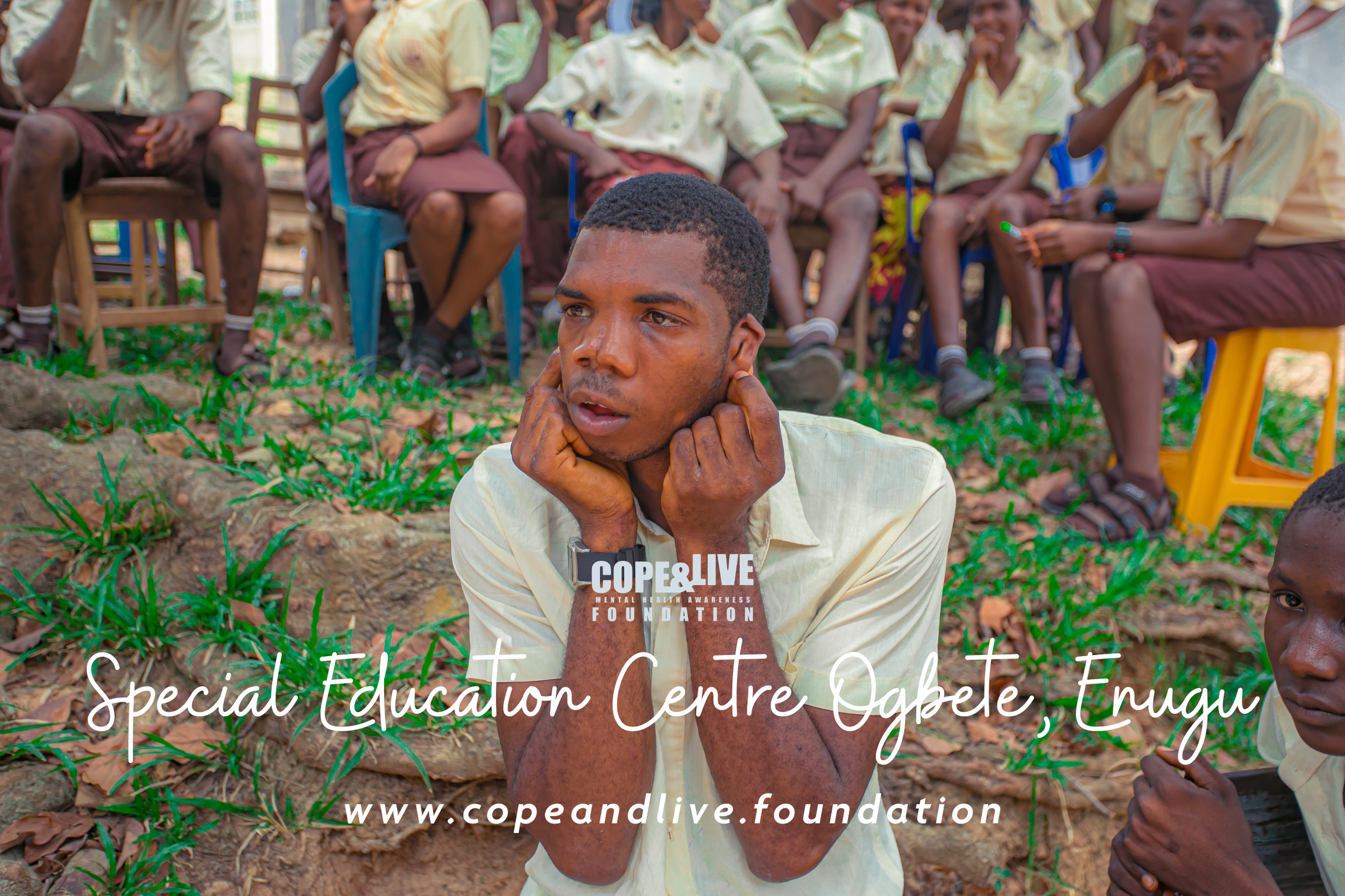
Inclusion as a Determinant of Mental Health
Inclusion creates environments where all individuals—regardless of ethnicity, socioeconomic status, disability, or background—have access to opportunities, participation, and representation. It fulfills the fundamental human need for belonging, which psychological research links to higher self-esteem, resilience, and life satisfaction. Exclusion disrupts belonging, leading to distress, anxiety, depression, and diminished self-worth.
The Psychological Toll of Social Exclusion
Exclusion acts as chronic stress, triggering “toxic stress” through prolonged activation of the body’s stress response. Marginalized groups face compounded burdens: limited education, employment, healthcare, and mobility. Subtle biases, microaggressions, and institutional barriers add emotional exhaustion and internalized stigma.
Economic Inequality and Psychological Distress
Financial insecurity correlates strongly with anxiety, depression, and burnout. In survival mode, cognitive and emotional resources focus on basic needs. Societies with greater income inequality show poorer mental health outcomes overall. Fair employment, living wages, and social protections reduce both material deprivation and psychological strain.
Inclusive Education and Youth Mental Health
Schools shape identity and self-concept. Bullying, discrimination, or exclusion in educational settings causes lasting psychological harm. Inclusive policies that promote diversity, prevent discrimination, and ensure equitable participation build safe environments, boosting engagement, confidence, and resilience during key developmental years.
Workplace Inclusion and Psychological Safety
Workplace discrimination, inequitable pay, insecurity, and toxic cultures fuel stress-related disorders and burnout. Inclusive workplaces foster psychological safety—where people express ideas without fear—leading to higher satisfaction, productivity, and reduced mental strain.
Access to Mental Healthcare as a Justice Issue
Mental health services are unevenly distributed, with barriers like cost, stigma, availability, and lack of culturally competent care hitting marginalized communities hardest. This perpetuates exclusion cycles. Equitable, universal access to mental health support is essential for resilience and societal stability.
Empowerment, Agency, and Resilience
Empowerment grants agency—the ability to influence one’s life—which builds self-efficacy and adaptive coping. Powerlessness fosters hopelessness; participation in social, economic, and political spheres buffers against distress and serves as a societal preventive measure for mental health.
Conclusion: Social Justice as Collective Mental Wellness
The call to empower inclusion and bridge gaps extends beyond policy to human dignity and psychological safety. A society that addresses disparities in opportunity, education, employment, healthcare, and representation—guided by biblical commands to do justice, love mercy, and care for the vulnerable—fosters emotional stability, resilience, and collective well-being.
Mental health is both an outcome and indicator of social justice. Bridging gaps heals systems—and minds. Social justice and mental wellness are inseparable.
Way Forward
Social justice begins with you: choose today to see your neighbor, not your advantage—act with justice, kindness, and humility in every interaction.
The Writer:
I am Reverend Chukwudiebube Nwachukwu, Founder of Cope and Live Mental Health Awareness Foundation (www.copeandlive.foundation) and COLI Academy (www.coliacademy.org).
I hold a Level 3 Mental Health Diploma and am a passionate, leading voice in mental health advocacy. My qualifications include certifications as a Child Psychologist, Grief & Bereavement Counsellor, Depression Counsellor, Emotional Intelligence Life Coach, EMDR and CBT Practitioner, Couple Counsellor, SAMHI Dual Diagnosis Practitioner, Drugs and Addiction Coach, and IOC Sports Administrator.
Through counselling & therapy, community outreach, women’s health & hygiene programmes, skill acquisition & vocational training, policy advocacy, research, and innovation, my team and I are building a mentally healthier Nigeria – one conversation, one life, one community at a time.
If things are getting out of hand, please call us on +234 814 831 8965 or send us an Email at: info@copeandlive.foundation for tailored guidance.