Her Voice Matters: FGM and the Silent Mental Health Crisis
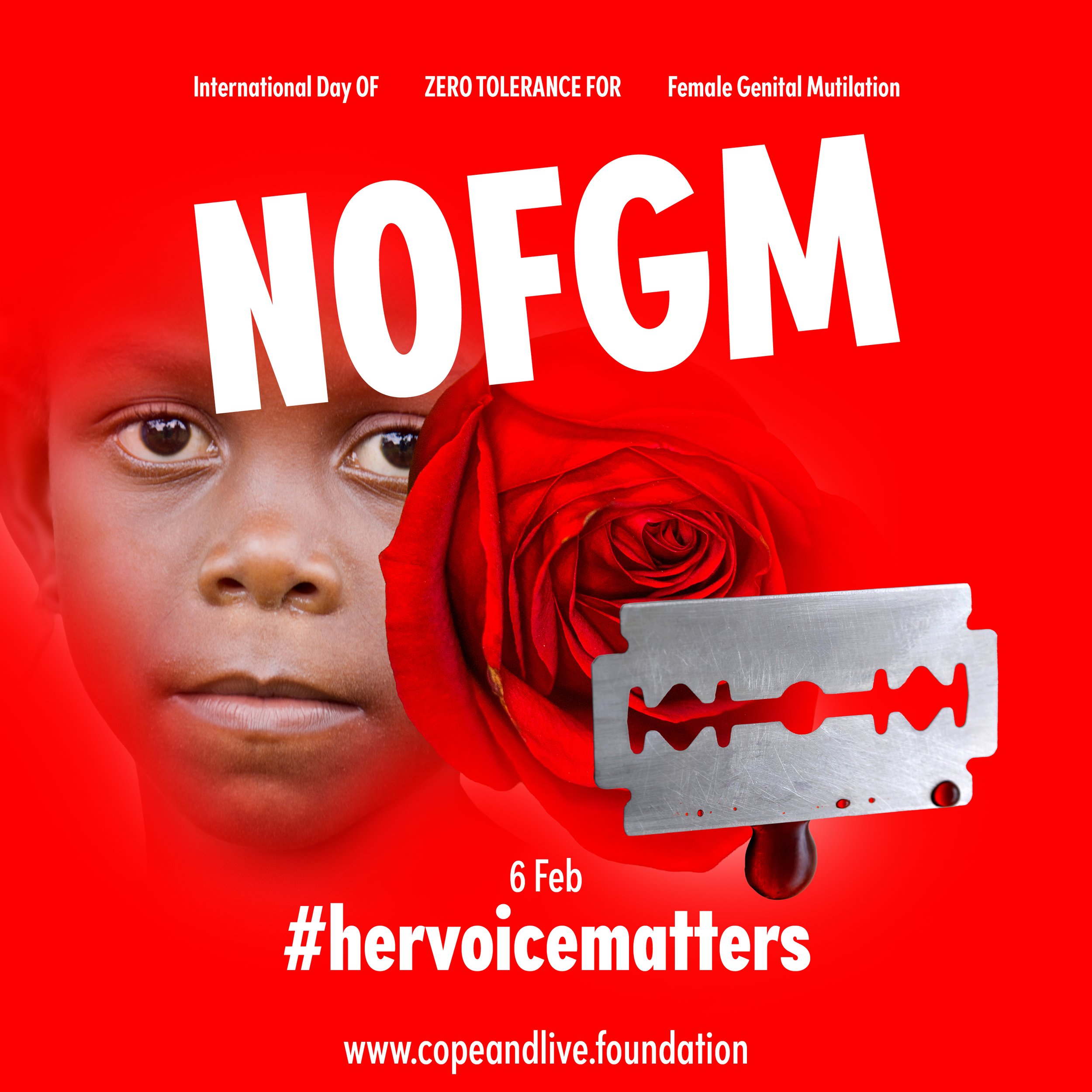
The International Day of Zero Tolerance for Female Genital Mutilation (February 6) reminds us that over 230 million girls and women live with FGM's lifelong consequences—a practice they never chose.
WHO estimates this affects millions mainly in Africa, the Middle East, and Asia, causing severe physical, psychological, and economic harm.
This year's UN theme, “Towards 2030: No End to FGM Without Sustained Commitment and Investment” (UNFPA-UNICEF Joint Programme), urges renewed funding, partnerships, and action to meet SDG 5.3 by 2030—building on calls like “Her Voice Matters” to center survivors' voices and mental health needs.
FGM Beyond the Body
Discussions often highlight physical risks: pain, infections, childbirth issues, and death. Yet FGM inflicts deep psychological trauma—imposed in childhood amid fear, coercion, and betrayal.
Survivors commonly experience anxiety, depression, PTSD, sexual dysfunction, and chronic distress. WHO links FGM to higher risks of PTSD, anxiety, depression, and somatic complaints. A 2025 WHO/HRP study shows women with FGM face nearly 3x greater risk of depression/anxiety and 4.4x higher likelihood of PTSD.
In normalizing communities, silence intensifies harm: stigma prevents acknowledging pain or accessing help, with mental health services often scarce or taboo.
Why Listening Is Essential
“Her Voice Matters” is a mental health intervention. Being heard validates trauma, rebuilds agency, and supports healing through storytelling.
Listening:
Challenges norms by revealing emotional costs.
Aids trauma recovery.
Improves policies with survivor-centered mental health care.
Silencing survivors perpetuates harm.
Closing the Gap
Global efforts emphasize prevention, laws, and awareness but often neglect long-term psychological support.
Zero tolerance must include trauma-informed counseling, community psychosocial support, and culturally sensitive services as core elements.
From Awareness to Action
Ending FGM needs sustained investment in:
Survivor-led advocacy and education.
Mental health services.
Community dialogue centering women and girls.
The Cope and Live Mental Health Awareness Foundation is actively delivering compassionate, evidence-based support in Nigeria for trauma, stigma, and related challenges—building resilience through survivor-centered care, free/low-cost counseling, workshops, and community programs.
Our proven track record includes:
Total Care Mind & Body Outreach (January 24, 2026, Ameke Ozalla, Enugu): Partnered with UNTH Foundation to provide free medical/dental screenings, mental health discussions, TB/HIV testing, wellness education, and holistic support to over 100 seniors (60+), promoting healthy aging and addressing isolation/loneliness.
World Cancer Day Holistic Care Outreach (February 4, 2026, UNTH Radiotherapy Department, Enugu): In collaboration with UNTH Foundation and Oncoclinics, delivered mental health screenings, awareness sessions, individual counseling, peer support, survivor story-sharing, and psychosocial resources to cancer patients, families, and providers—closing emotional care gaps alongside physical treatment.
Additional impactful programs: COLI Mental Health Academy trainings, school visits reaching thousands of students, flood victim psychosocial support in Borno, SGBV survivor groups, custodial centre interventions, emotional intelligence bootcamp, maternal wellbeing sessions (Mother-to-Mother Initiative), Men’s Safe Space Forums, art therapy, and ongoing free counseling via toll-free hotline (08000002673).
Visit www.copeandlive.foundation or follow @copeandlive on X for resources, support, or to connect.
On this day: Listen fiercely. Believe survivors. Prioritize mental health.
Her voice matters—every day—until FGM ends.
Join the call: Advocate, support survivors, amplify #Invest2EndFGM #EndFGM #MentalHealthMatters.
Munachi Igbelina
Media Team
If things are getting out of hand, please call us on +234 814 831 8965 or send us an Email at: info@copeandlive.foundation for tailored guidance.