The World Health Organization (WHO) strongly advocates for integration of mental health services into tuberculosis (TB) care as a key part of people-centered, holistic approaches to improve outcomes.
This is detailed in the WHO Operational Handbook on Tuberculosis, Module 6: Tuberculosis and Comorbidities (with a dedicated section on mental health conditions, first published in 2023 and updated in editions through 2024–2025). The guidance emphasizes:
Routine screening for common mental health issues like depression, anxiety, and substance use disorders among people with TB—ideally at diagnosis/initiation of treatment and during follow-ups.
Early detection, assessment, and management using tools like the mhGAP (Mental Health Gap Action Programme) framework, task-shifting to non-specialist health workers, counseling, and referrals to mental health services.
Integration strategies — Embedding mental health support within TB services (e.g., via referral pathways, collaborative care, or on-site provision) to address the high prevalence (40–70%) of psychological distress, reduce treatment defaulting, improve adherence, and enhance quality of life.
Breaking the cycle — Since untreated mental health conditions worsen TB outcomes (e.g., higher risks of failure, relapse, resistance, and mortality), integrated care is essential under the End TB Strategy and the Framework for collaborative action on tuberculosis and comorbidities.
The interconnection between tuberculosis (TB) and mental health is profound and bidirectional, as outlined. TB's physical toll—combined with stigma, long treatment regimens, economic hardship, and social isolation—often leads to high rates of depression (3–6 times higher than the general population), anxiety, and other distress in 40–70% of patients. Conversely, untreated mental health issues like depression reduce adherence to TB medication, delay care-seeking, increase defaulting, and elevate risks of treatment failure, relapse, drug resistance, and even mortality. This creates a vicious cycle, amplified in high-burden areas like Nigeria by shared vulnerabilities such as poverty and limited access to integrated care.
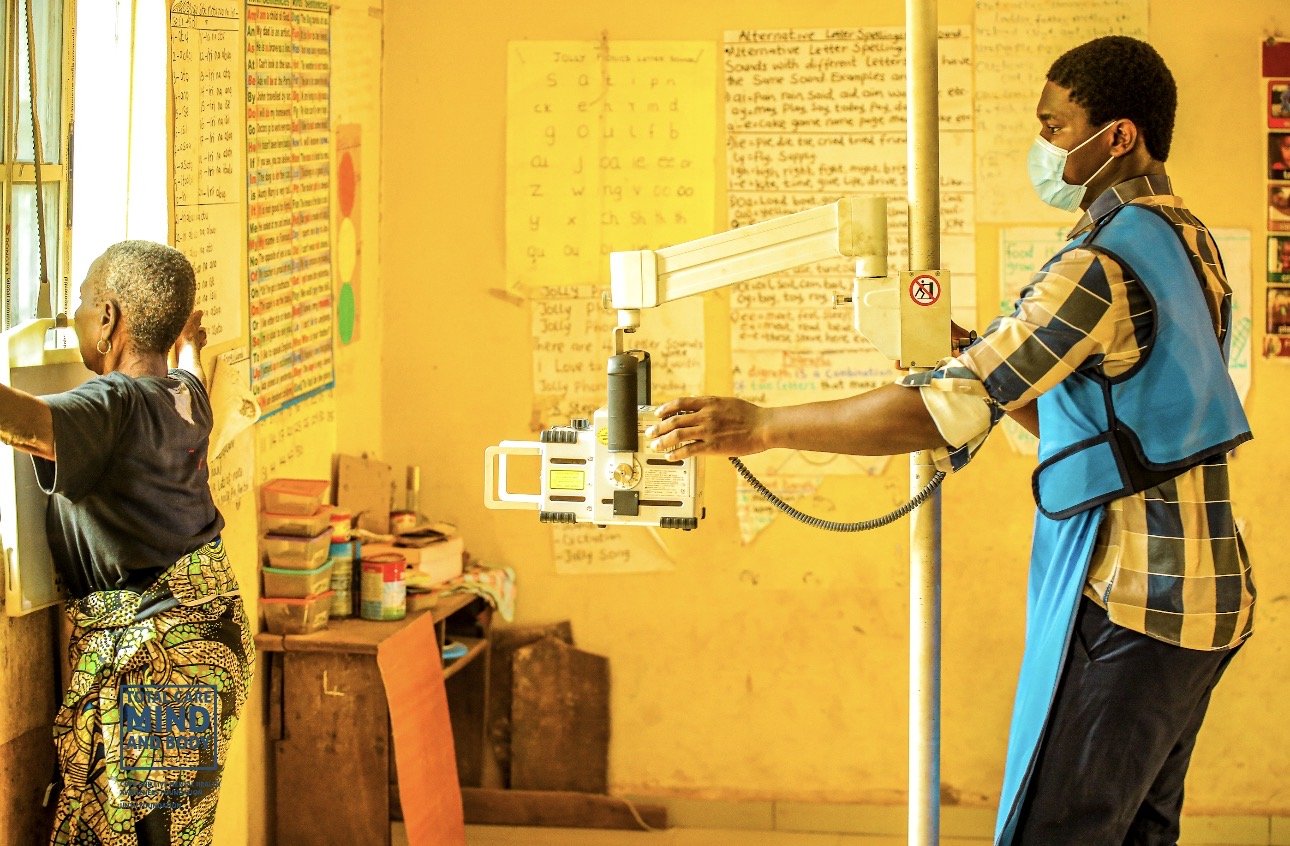
This is precisely why our Total Care Mind and Body Outreach—a collaborative effort by the Cope and Live Mental Health Awareness Foundation and partners like the UNTH Foundation—is so impactful and targeted. In our recent event on January 24, 2026, at the Community Primary School Field in Ameke Ozalla, Enugu State, we provided free holistic services to over 100 seniors (60+) and retirees, a vulnerable group often overlooked yet at heightened risk for both TB (due to age-related immune changes, potential comorbidities, and delayed diagnosis) and mental health challenges (like isolation, loneliness, and depression, which affect 20–22% of Nigerian older adults and raise dementia risks).
Key highlights that made it effective:
Integrated screening — Including TB screening (alongside HIV/Syphilis combo testing) enabling early detection of infectious diseases in a community setting where stigma might otherwise prevent seeking help.
Holistic focus — Combining physical/medical checks, dental exams, wellness exercises, and mental health discussions on isolation, loneliness, dementia, and coping strategies.
Targeted reach — Focused on elderly and retirees from diverse backgrounds (low-income households, retired civil servants, farmers, homemakers), who face compounded burdens: physical frailty, economic strain, and social disconnection—factors that worsen TB outcomes and mental distress.
High engagement — ~70% of participants received follow-up referrals, fostering continuity of care and reducing future emergencies.
Community building — The event countered isolation through gathering, education, and support, while building local ties (e.g., thanks to royal and community leaders) for sustained impact.
By offering free, accessible, one-stop services in a community venue, we reduced barriers like travel costs, stigma around TB/mental health, and fragmented care—directly addressing the bidirectional TB-mental health links. Early TB detection prevents prolonged infectivity and worse outcomes, while mental health support boosts adherence and resilience.
We are thrilled with the positive feedback, increased awareness, and motivation for healthier habits among participants. This outreach exemplifies our commitment to holistic, preventive care for vulnerable populations.
We look forward to hosting another one soon—expanding reach, deepening integrations (like more routine mental health checks with TB screening), and continuing to empower communities in Enugu and beyond. If you're in the area or know someone who could benefit, stay tuned for announcements! Together, we can foster healthier minds and bodies, one community at a time.
For support or more info, reach out toll-free at 0800000COPE (08000002673) or visit our channels. #TotalCareMindAndBody #TBandMentalHealth #HealthyAging #MentalHealthAwareness #CommunityHealth #EnuguHealth
Munachi Igbelina
Media Team
If things are getting out of hand, please call us on +234 814 831 8965 or send us an Email at: info@copeandlive.foundation for tailored guidance.