Worries, Fears, and Stomach Pains: Understanding Childhood Anxiety in Nigeria
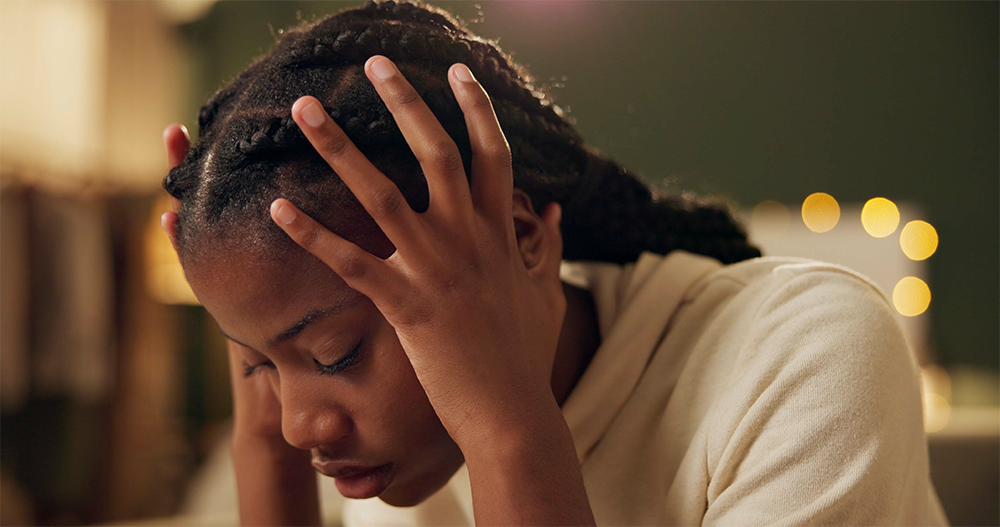
Childhood anxiety is a common yet often overlooked mental health concern affecting many children and adolescents across Nigeria. It frequently appears as excessive worry, persistent fears, or recurring physical complaints that interfere with school, family life, and social activities. Studies conducted in different parts of the country, including Port Harcourt, Anambra, and the South-West, have reported prevalence rates ranging from 10% to 34% among school-aged children and teens, with higher figures sometimes observed in urban areas and among girls.
In Nigeria, anxiety can stem from everyday pressures such as academic demands, high family expectations, bullying, abuse, or insecurity. Cultural factors like fears related to supernatural beliefs (witchcraft or juju), living with extended relatives, or serving as house helps can further intensify these worries. While faith and community networks can provide valuable support, stigma around mental health often prevents early recognition and care.
How Anxiety Shows Up in Children
Nigerian children rarely say “I’m worried” or “I’m anxious.” Instead, they express their distress through behaviour, emotions, or unexplained body symptoms. Persistent signs that last for weeks or disrupt daily life should be taken seriously.
Emotional and Behavioural Signs:
Excessive worrying about school performance, family safety, the future, or everyday situations.
Irritability, frequent crying, tantrums, or anger outbursts over minor issues.
Clinginess to parents, school refusal, or avoidance of social activities, new places, or people.
Restlessness, difficulty concentrating, perfectionism, or intense fear of making mistakes.
Social withdrawal, heightened self-consciousness, or easy embarrassment.
Physical Signs (Often the Most Noticeable):
Recurrent stomachaches, headaches, nausea, or muscle tension with no clear medical cause.
Trouble sleeping, nightmares, or fear of sleeping alone.
Bedwetting (in younger children), frequent bathroom visits, shaking, sweating, or shortness of breath.
Changes in appetite or persistent fatigue.
In many Nigerian families, physical complaints like stomach pains and headaches are the first red flags, as emotional expression is not always openly encouraged. Generalized anxiety is commonly reported, along with worries related to school or social situations. Fears linked to supernatural beliefs, punishment, or poor self-image may also appear due to cultural influences.
When these symptoms worsen, affect academic performance, cause repeated school absences, or occur alongside issues like learning difficulties or low mood, they may indicate an anxiety disorder rather than normal childhood fears.
What Contributes to Childhood Anxiety in Nigeria?
Several factors can trigger or worsen anxiety in children:
Family stressors: Strict parenting, physical, verbal, emotional or sexual abuse, parental separation, or unrealistic academic expectations.
Environmental pressures: Poverty, urban challenges, bullying, intense examination stress (WAEC, JAMB), and exposure to insecurity.
Cultural and religious influences: Fears of the unknown, death, or supernatural forces — though faith communities can also offer comfort.
Other factors: Learning challenges, traumatic events, or genetic predisposition.
Early identification is essential, as untreated anxiety can lead to school dropout, low self-esteem, social isolation, and long-term mental health challenges in adulthood.
Practical Steps for Parents, Teachers, and Caregivers
Create a Safe and Supportive Environment
Listen to your child without judgment. Use reassuring words such as, “It’s okay to feel scared — many children do. Let’s talk about it and find ways to feel stronger together.” Validate their emotions while gently encouraging bravery. Avoid dismissing fears (“Just stop worrying”) or being overly protective, as this can reinforce anxiety. Maintain consistent daily routines for meals, sleep, and play to help children feel secure.Teach Simple Coping Strategies at Home
Introduce easy relaxation techniques like deep breathing (inhale for 4 counts, hold for 4, exhale for 4). Practise gradual exposure to feared situations rather than complete avoidance. Promote healthy habits — regular exercise, balanced diet, limited screen time, and quality family moments — to reduce overall stress.Work with School and Community
Communicate with teachers about your concerns and request reasonable support, such as extra time for tasks or a trusted adult at school. Praise effort instead of perfection and encourage low-pressure social activities. Involve extended family or faith leaders where appropriate, but always combine with professional guidance.Seek Professional Help
Start by visiting a paediatrician or family doctor to rule out physical causes. Then consult a qualified child psychologist, psychiatrist, or counsellor trained in anxiety management. Cognitive Behavioural Therapy (CBT) is highly effective in helping children reframe worries and develop coping skills. Medication may be considered in severe cases, but only under professional supervision and usually alongside therapy.
In Nigeria, support is available through private clinics, hospital-based child and adolescent mental health services, and dedicated organisations. The Cope and Live Mental Health Awareness Foundation (www.copeandlive.foundation) provides awareness, education, and tailored support resources for families and children dealing with anxiety.
Cultural Note: Mental health stigma is still common in many communities, leading some families to seek traditional or spiritual help first. A balanced approach that respects cultural strengths while incorporating evidence-based care often works best.
When to Seek Urgent Help
If a child shows severe distress, contact the Cope and Live Foundation toll-free helpline immediately at 08000002673 for guidance and support.
A Message of Hope
Anxiety is highly treatable. With understanding, patience, and the right support, most children can learn to manage their worries and thrive in school, relationships, and life. If you are a parent, teacher, or caregiver noticing these signs, you are taking a vital step by seeking information — you are not alone.
Start with an open, gentle conversation and reach out to a professional. Early action can make a lasting positive difference in a child’s development and future wellbeing.
For more resources and support, visit www.copeandlive.foundation or connect with qualified mental health professionals in your area. Together, we can reduce stigma and help Nigeria’s children grow into confident, resilient individuals.
I am Mrs Uzoamaka Nwachukwu, Co-Founder of Cope and Live Mental Health Awareness Foundation (www.copeandlive.foundation) and COLI Academy (www.coliacademy.org).
As a trained Child Psychologist, Microbiologist, Grief & Bereavement Counsellor, Depression Counsellor, Emotional Intelligence Life Coach, EMDR and CBT Practitioner, and certified Mental Health First Aider, I bring deep professional expertise and genuine compassion to every life I touch.
Through counselling & therapy, community outreach, women’s health & hygiene programmes, skill acquisition & vocational training, policy advocacy, research, and innovation, my team and I are building a mentally healthier Nigeria – one conversation, one life, one community at a time.
My greatest love has always been for children, and my passion for mental health drives me to remain a leading voice in advocacy, breaking stigma, healing minds, and helping people not just cope – but truly live.
If things are getting out of hand, please call us on +234 814 831 8965 or send us an Email at: info@copeandlive.foundation for tailored guidance.