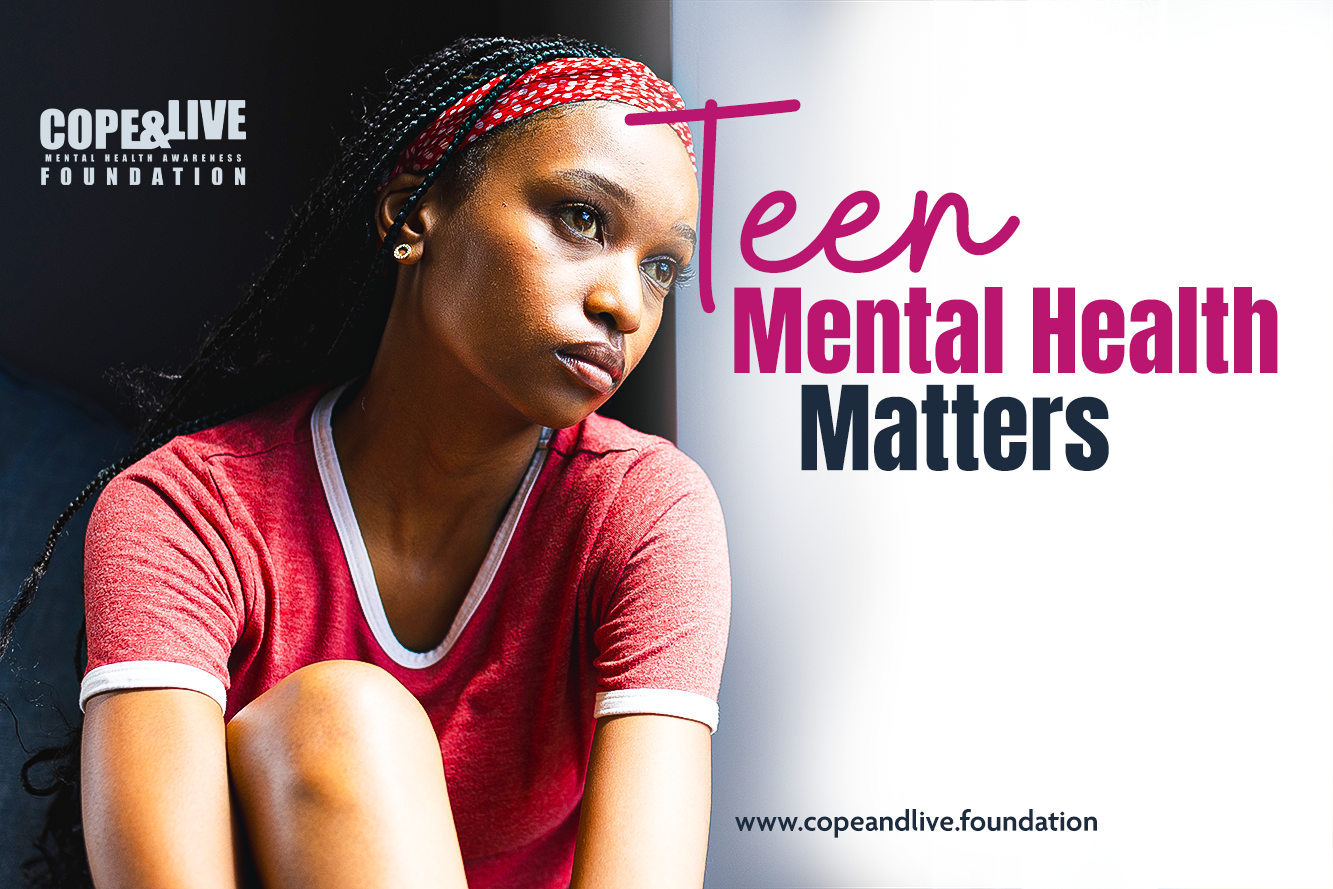
Today, March 2, 2026, marks World Teen Mental Wellness Day—a global observance dedicated to raising awareness about the mental health challenges teenagers face, breaking down stigma, and encouraging open conversations, early support, and self-care among adolescents worldwide.
The Cope and Live Mental Health Awareness Foundation champions these thematic areas of challenge with our teens' mental wellness.
Why Teen Mental Wellness Matters So Much Right Now
Recent data paints a sobering picture:
Globally, one in seven young people aged 10–19 experiences a mental disorder, accounting for about 15% of the global disease burden in this age group (World Health Organization, 2025).
Depression, anxiety, and behavioral disorders rank among the leading causes of illness and disability for adolescents.
Suicide remains the third leading cause of death among those aged 15–29.
In many contexts, half of all lifetime mental health conditions begin by age 14, making early awareness and intervention essential (WHO and UNICEF).
In the U.S. and similar high-income settings, trends show persistent or elevated levels: around 20% of adolescents report recent anxiety symptoms, 18% depression symptoms, and many face unmet mental health needs despite available resources.
Factors like social media overload, academic stress, loneliness, global uncertainties, bullying and cyberbullying, and fear of missing out.
The good news? Teens themselves show resilience—many express interest in healthier lifestyles, stronger self-care routines, and building supportive connections.
World Teen Mental Wellness Day (recognized globally and supported by insights from WHO, UNICEF, and UN reports on adolescent mental health) serves as a reminder that normalizing these conversations can make a real difference.
Practical Ways to Support Teen Mental Wellness (Today and Every Day)
Whether you're a teen, a parent, teacher, friend, or community member, small, consistent actions help build stronger emotional foundations.
Encourage Open, Non-Judgmental Conversations
Check in regularly with simple, genuine questions like “How are you really feeling today?” or “What’s been on your mind lately?”
Listen more than you advise at first.
Validate feelings with responses like “That sounds really tough—I’m here” or “I hear you.”
Creating safe spaces reduces isolation.
Promote Healthy Daily Habits
Support routines that nurture both body and mind: consistent sleep (teens need 8–10 hours), regular physical activity, balanced nutrition, and downtime away from screens. Even short walks, journaling, art, music, or mindfulness moments can help regulate emotions.
Address Social Media Mindfully
Discuss its role openly—set boundaries together, encourage breaks, and focus on positive, authentic online interactions.
Help teens recognize when comparison or cyberbullying affects their mood.
Build Positive Relationships and Support Networks
Foster positive connections with trusted family and friends, local church family, mentors, or school counselors.
Encourage hobbies, clubs, or activities where teens feel seen and valued. Positive social ties are one of the strongest buffers against mental health struggles.
Know When and How to Seek Help
Watch for signs like persistent sadness, withdrawal, changes in sleep/eating, irritability, loss of interest in activities, or talk of hopelessness. Early support matters—reach out to school counselors, trusted adults, or professional services. Resources like our Toll-Free helpline (08000002673) are available 24/7.
On this World Teen Mental Wellness Day, let's commit to amplifying teen voices, reducing shame around seeking help, and creating environments where young people feel confident, supported, and capable. You're not alone—talking about it is a powerful first step toward wellness.
If you're a teen reading this and struggling, or if you're supporting one who is, remember: reaching out is a sign of strength, not weakness. Take care of yourself and each other today. And always.
The Writer:
I am Mrs Uzoamaka Nwachukwu, Co-Founder of Cope and Live Mental Health Awareness Foundation (www.copeandlive.foundation) and COLI Academy (www.coliacademy.org).
As a trained Child Psychologist, Microbiologist, Grief & Bereavement Counsellor, Depression Counsellor, Emotional Intelligence Life Coach, EMDR and CBT Practitioner, and certified Mental Health First Aider, I bring deep professional expertise and genuine compassion to every life I touch.
Through counselling & therapy, community outreach, women’s health & hygiene programmes, skill acquisition & vocational training, policy advocacy, research, and innovation, my team and I are building a mentally healthier Nigeria – one conversation, one life, one community at a time.
My greatest love has always been for children, and my passion for mental health drives me to remain a leading voice in advocacy, breaking stigma, healing minds, and helping people not just cope – but truly live.
If things are getting out of hand, please call us on +234 814 831 8965 or send us an Email at: info@copeandlive.foundation for tailored guidance.