Mental Health Resources & Outreach News – Read, Comment & Share

Trauma Echoes: Does Your Flesh Remember What Your Mind Forgets?
Studies on Holocaust survivors and their children show epigenetic markers—chemical tags on DNA—that influence stress responses across generations. Your cells "remember" threat.

If Only Parents Knew
A lot of our parents had no clue how some of us were already drunk by 10am in school or how we smoked a pack of Benson and Hedges per day at age 15. They had no clue how we scaled fences from our Victoria Island campus to barbeach in the mornings to smoke weed and visit prostitutes at Lekki beach, literally waking them up to lay with them. I smoked weed once at age 16 for the first time when a classmate named Sani took us to barbeach and introduced us to it.

"I Thought I Failed My Client—Then Self-Kindness Saved Us Both"
Self-kindness doesn’t make you soft—it makes you unbreakable. It turns wounds into wisdom, stress into strength, and loneliness into belonging.

The Hidden World of Trauma: What You Need to Know Now
Healing is possible with the right support. Seeking professional help, such as therapy or counseling, can guide you through processing trauma and rebuilding resilience. Modalities like cognitive-behavioral therapy (CBT), somatic therapy, or trauma-focused approaches can address both emotional and physical symptoms.

Stress Doesn’t Care About Your Six-Packs
Overthinking triggers cortisol floods that:
- Constrict blood vessels → exploding headaches mid-training
- Disrupt sleep → fatigue & injury
- Fuel depression → performance collapse (remember Simone Biles’ brave withdrawal?)
- Weaken immunity → frequent illness despite peak fitness

Healing After Grief
If you’re ready to take the next step, I’m here. Message me on WhatsApp +2348148318965 or call 0800000COPE (08000002673) toll free and let’s work through this together. Whether you need a listening ear or actionable ways to move forward, we’ll find a path that feels right for you.
Healing is possible, and you’re worth it.
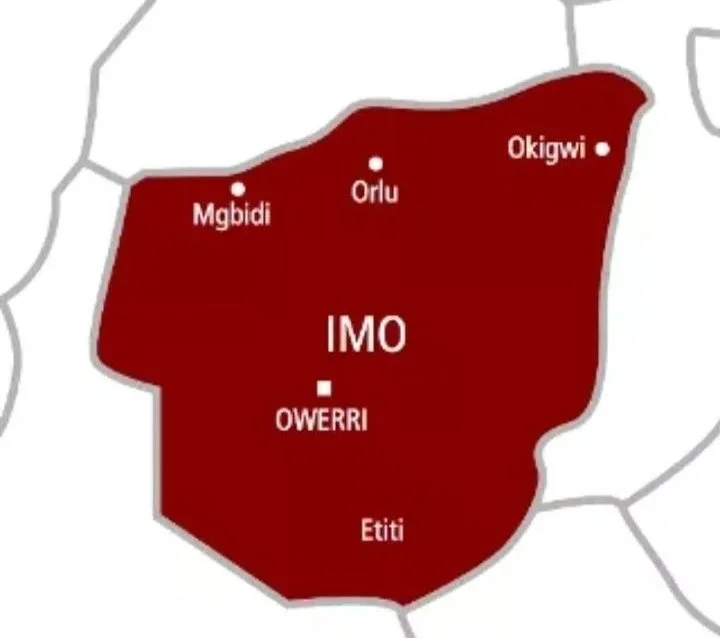
CALMHAF Appoints New State Program Manager for Imo State
Mrs. Obileme, a highly qualified Mental Health/Psychiatric Nurse registered with the Nursing and Midwifery Council of Nigeria, brings a wealth of expertise to her new role. Holding a Bachelor of Nursing Science (BNSc) and with extensive experience as a registered midwife, she has also contributed significantly to mental health initiatives through her work with the Nigeria American Institute for Mental Health. Her dedication and professional background make her an ideal leader to drive the Foundation’s mission in Imo State.

The Impact of the Friday Mood on Mental Health
The Friday mood can be a powerful boost for mental health, offering relief from stress, fostering social connections, and providing a sense of accomplishment. However, its impact varies based on individual circumstances, work schedules, and cultural contexts. By understanding its psychological dynamics and using intentional strategies, you can make the most of this weekly milestone to enhance your well-being. How do you experience the Friday mood? Share your favorite weekend ritual in the comments or try one of our tips this Friday to lift your spirits!
Simple, Creative Ways to Ease Stress and Anxiety
These small, creative acts, paired with the truth of scripture, can be your anchor in the storm, helping you find peace and presence. Try one, or mix and match, and discover what lights up your calm!

A Guide to Navigating Panic Attacks with Ease
Panic attacks don’t last forever. Remind yourself that the intensity will ease, and calm will return soon.
You’ve got the strength to navigate this. Save these steps for whenever you need a reminder, and know that you’re not alone.

Poor Nutrition in Children - ECD and Wallet Woes: Anxiety, ADHD & More
Studies show that children with diets high in fruits, vegetables, and whole grains tend to have better academic performance and fewer behavioral issues compared to those consuming high-sugar, high-fat diets. For example, a 2019 study found that children with poor diets were more likely to exhibit hyperactivity and inattention, symptoms often associated with ADHD.

Does your diet shape your mental health? 🥗🧠
Your diet is a powerful tool for mental wellness. Small, intentional changes to what and how you eat can make a big difference in how you feel. Start today—your brain will thank you! 💪

5 Signs of Teen Mental Health Issues & Support Tips
Open communication and a supportive environment are key to helping teens navigate these challenges.

Reducing Costs, Empowering Communities: The Holistic Benefits of Mental Health Initiatives
Mental health initiatives like ThriveNaija and HopeWorks deliver profound financial, social, and personal benefits by reducing healthcare and incarceration costs, fostering inclusive communities, and empowering individuals. These programs address Nigeria’s unique challenges with scalable, culturally relevant solutions. By prioritizing accessible services and sustained education, Nigeria can build a future where mental well-being drives stronger, healthier communities.
Mastering Mondays: Turn Dread into Drive with Simple Strategies
It’s about building momentum. A tough Monday doesn’t define your week, but how you approach it can set the tone for better mental health.

Access to Mental Health Services in Emergencies
Emergencies, whether sudden-onset like earthquakes and bereavement or prolonged like refugee crises, create immense psychological stress. Survivors may face grief, fear, displacement, or loss of livelihoods, leading to or worsening conditions like anxiety, depression, post-traumatic stress disorder (PTSD), or substance abuse. For example, studies following natural disasters, such as Hurricane Katrina in 2005 or the 2010 Haiti earthquake, showed PTSD rates as high as 30% in affected communities. In Nigeria, the ongoing conflict in the Northeast has led to significant mental health challenges, with a 2020 study by the International Organization for Migration (IOM) reporting that 60% of internally displaced persons (IDPs) in Borno State exhibited symptoms of depression or anxiety.
Mental health is often sidelined in emergency response, overshadowed by immediate physical needs like food, shelter, and medical care.

Sweden’s Mobile Phone Ban in Schools: A Focused Future
The policy is driven by evidence and public concern:
- Distraction: Phones disrupt learning, affecting 30% of students during lessons (source: Swedish Government).
- Academic Decline: PISA results link over-digitalization to weaker reading and math skills (source: OECD PISA Reports).
- Health Risks: Excessive screen time impacts attention and development, particularly in young students (source: Karolinska Institute).

Digital Dependency Disorder: The Emerging Challenge of Screen Addiction
The consequences are far-reaching, affecting physical, mental, and social health:
Physical Effects: Insomnia, back pain, vision problems, and even environmental strain from device energy consumption. 15
Mental and Neurological Effects: Increased anxiety, depression, burnout, and “brainrot” from excessive online content, as discussed in a New York Times piece on digital addiction treatment. 18
Social and Behavioral Impacts: Loneliness, strained relationships, and reduced productivity. CNN reports highlight how virtual worlds blur real relationships. 0
Broader Societal Impacts: Schools teaching about digital addiction alongside drugs, as in South Korea per CNN. 8

Are You Just Supervising or Truly Training Your Child?
Training is about intentionality and long-term investment in your child’s development. It requires patience, consistency, and a willingness to let children learn through experience—even when that includes failure. Below are practical strategies to shift from supervising to training:

Understanding Dementia: Risks, Prevention, and the Imperative of Mental Health
Neglecting mental health is a silent accelerator of dementia, with consequences as devastating as they are avoidable. Chronic depression and anxiety trigger neuroinflammation, shrinking brain regions like the hippocampus essential for memory, potentially hastening cognitive decline by years. Longitudinal data from 1.7 million individuals reveal that early-life mental disorders—such as bipolar or psychotic episodes—increase dementia risk by 2-3 times, with onset occurring up to a decade earlier. Social isolation, a byproduct of untreated mental illness, compounds this, raising risk by 50% through reduced cognitive stimulation and heightened stress hormones. Fortunately, counseling offers a powerful antidote, providing a safe space to unpack emotions and develop coping strategies that directly combat stress and depression. Through techniques like cognitive restructuring and emotional processing, counseling can lower cortisol levels, alleviate depressive symptoms by up to 50% in some studies, and foster resilience, thereby safeguarding cognitive health and reducing dementia vulnerability. The peril extends to caregivers and society: untreated depression in dementia patients escalates behavioral issues, straining families and increasing institutionalization rates by 20-30%.