
Leave A COMMENT after reading and remember to share.

Poor Nutrition in Children - ECD and Wallet Woes: Anxiety, ADHD & More
Studies show that children with diets high in fruits, vegetables, and whole grains tend to have better academic performance and fewer behavioral issues compared to those consuming high-sugar, high-fat diets. For example, a 2019 study found that children with poor diets were more likely to exhibit hyperactivity and inattention, symptoms often associated with ADHD.

Does your diet shape your mental health? 🥗🧠
Your diet is a powerful tool for mental wellness. Small, intentional changes to what and how you eat can make a big difference in how you feel. Start today—your brain will thank you! 💪

5 Signs of Teen Mental Health Issues & Support Tips
Open communication and a supportive environment are key to helping teens navigate these challenges.

Reducing Costs, Empowering Communities: The Holistic Benefits of Mental Health Initiatives
Mental health initiatives like ThriveNaija and HopeWorks deliver profound financial, social, and personal benefits by reducing healthcare and incarceration costs, fostering inclusive communities, and empowering individuals. These programs address Nigeria’s unique challenges with scalable, culturally relevant solutions. By prioritizing accessible services and sustained education, Nigeria can build a future where mental well-being drives stronger, healthier communities.
Mastering Mondays: Turn Dread into Drive with Simple Strategies
It’s about building momentum. A tough Monday doesn’t define your week, but how you approach it can set the tone for better mental health.

Access to Mental Health Services in Emergencies
Emergencies, whether sudden-onset like earthquakes and bereavement or prolonged like refugee crises, create immense psychological stress. Survivors may face grief, fear, displacement, or loss of livelihoods, leading to or worsening conditions like anxiety, depression, post-traumatic stress disorder (PTSD), or substance abuse. For example, studies following natural disasters, such as Hurricane Katrina in 2005 or the 2010 Haiti earthquake, showed PTSD rates as high as 30% in affected communities. In Nigeria, the ongoing conflict in the Northeast has led to significant mental health challenges, with a 2020 study by the International Organization for Migration (IOM) reporting that 60% of internally displaced persons (IDPs) in Borno State exhibited symptoms of depression or anxiety.
Mental health is often sidelined in emergency response, overshadowed by immediate physical needs like food, shelter, and medical care.

Sweden’s Mobile Phone Ban in Schools: A Focused Future
The policy is driven by evidence and public concern:
- Distraction: Phones disrupt learning, affecting 30% of students during lessons (source: Swedish Government).
- Academic Decline: PISA results link over-digitalization to weaker reading and math skills (source: OECD PISA Reports).
- Health Risks: Excessive screen time impacts attention and development, particularly in young students (source: Karolinska Institute).

Digital Dependency Disorder: The Emerging Challenge of Screen Addiction
The consequences are far-reaching, affecting physical, mental, and social health:
Physical Effects: Insomnia, back pain, vision problems, and even environmental strain from device energy consumption. 15
Mental and Neurological Effects: Increased anxiety, depression, burnout, and “brainrot” from excessive online content, as discussed in a New York Times piece on digital addiction treatment. 18
Social and Behavioral Impacts: Loneliness, strained relationships, and reduced productivity. CNN reports highlight how virtual worlds blur real relationships. 0
Broader Societal Impacts: Schools teaching about digital addiction alongside drugs, as in South Korea per CNN. 8

Are You Just Supervising or Truly Training Your Child?
Training is about intentionality and long-term investment in your child’s development. It requires patience, consistency, and a willingness to let children learn through experience—even when that includes failure. Below are practical strategies to shift from supervising to training:

Understanding Dementia: Risks, Prevention, and the Imperative of Mental Health
Neglecting mental health is a silent accelerator of dementia, with consequences as devastating as they are avoidable. Chronic depression and anxiety trigger neuroinflammation, shrinking brain regions like the hippocampus essential for memory, potentially hastening cognitive decline by years. Longitudinal data from 1.7 million individuals reveal that early-life mental disorders—such as bipolar or psychotic episodes—increase dementia risk by 2-3 times, with onset occurring up to a decade earlier. Social isolation, a byproduct of untreated mental illness, compounds this, raising risk by 50% through reduced cognitive stimulation and heightened stress hormones. Fortunately, counseling offers a powerful antidote, providing a safe space to unpack emotions and develop coping strategies that directly combat stress and depression. Through techniques like cognitive restructuring and emotional processing, counseling can lower cortisol levels, alleviate depressive symptoms by up to 50% in some studies, and foster resilience, thereby safeguarding cognitive health and reducing dementia vulnerability. The peril extends to caregivers and society: untreated depression in dementia patients escalates behavioral issues, straining families and increasing institutionalization rates by 20-30%.
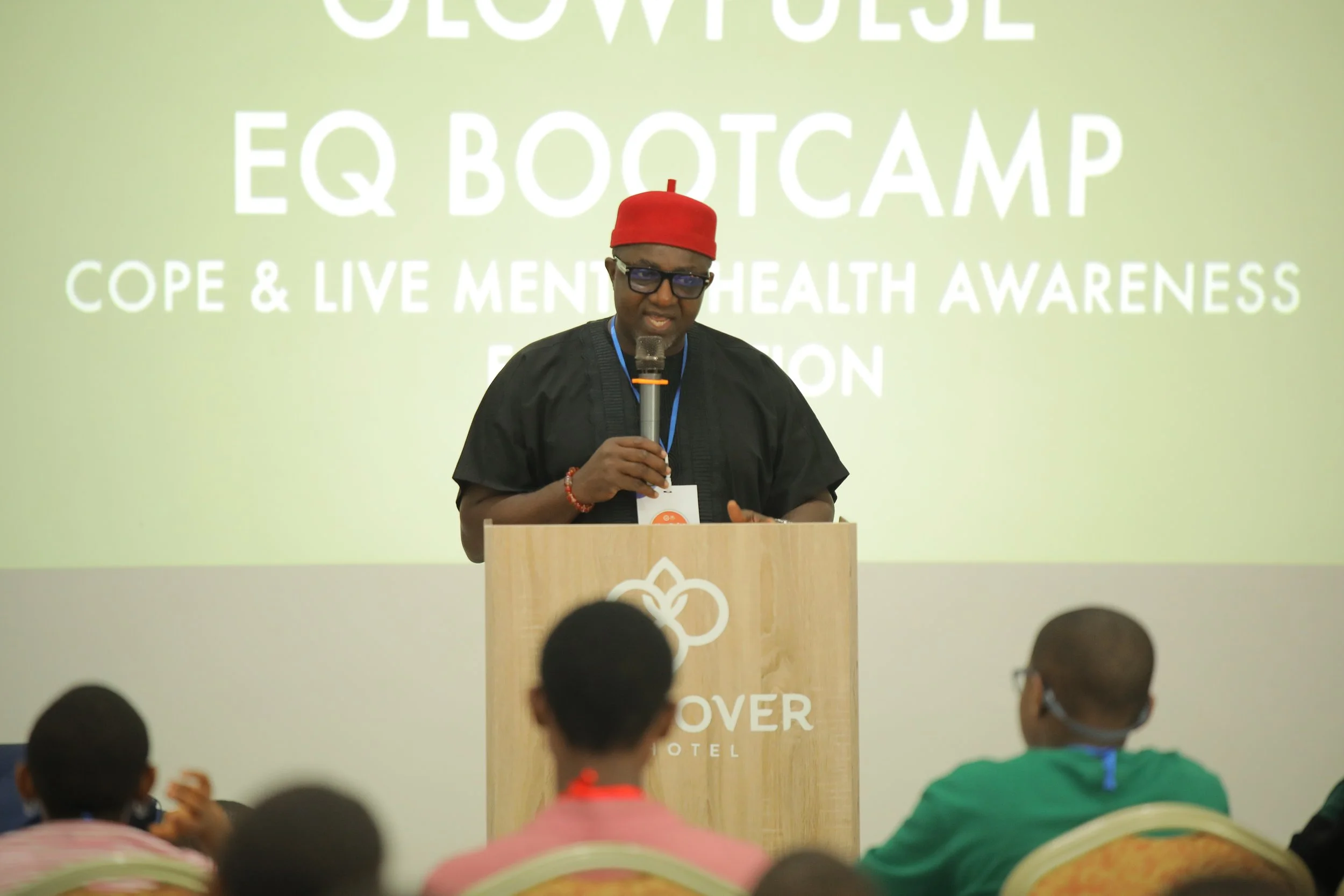
GlowPulse EQ Bootcamp 2025: Summary of Outcomes
The GlowPulse EQ Bootcamp was a four-week program held every Tuesday in August 2025 (August 5, 12, 19, and 26) from 9:00 AM to 12:00 PM. Designed for children aged 6–15, the bootcamp aimed to equip participants with emotional intelligence skills to navigate life’s challenges. The curriculum featured interactive workshops, mindfulness exercises, role-playing scenarios, empathy-building games, self-confidence boosters, multi-sport activities, art expression, and specialized sessions on resilience, boundaries, emotional validation, and appropriate emotional expression, all facilitated by trained professionals in a safe, inclusive environment.
Program Impact
The GlowPulse EQ Bootcamp delivered significant benefits across multiple domains, reinforcing CALMHAF’s commitment to addressing mental health challenges and fostering youth development. The impact is categorized as follows:
1. Benefits to the Child
2. Benefits to their Schools
3. Benefits to their Homes
4. Benefits to their Communities

Overview of Juvenile Facilities in Nigeria and Mental Health Impacts
Juvenile facilities in Nigeria, including remand homes (for children awaiting trial or in need of care) and borstal institutions (for convicted juveniles aged 16–21), aim to prioritize rehabilitation, education, and reintegration over punishment. Governed by laws like the Child Rights Act 2003 and the Nigerian Correctional Service Act 2019, these facilities emphasize separating juveniles from adults and fostering a supportive environment. However, only three functional borstal institutions (Kaduna, Ilorin, Abeokuta) and approximately 22 remand homes operate nationwide, managed by federal or state authorities. In contrast, regular custodial centers, primarily for adults, focus on detention and security, housing 92% of detained children and young adults, often in violation of separation laws.

Comprehensive Strategy to Curb Parental Abandonment
Parental abandonment—whether physical, emotional, or financial—stems from interconnected factors such as economic pressures, mental health challenges, cultural shifts, and systemic inequities. This strategy outlines actionable, evidence-based interventions to promote family stability, strengthen societal cohesion, and mitigate moral deterioration.
1. Strengthen Economic Support Systems
Economic instability and the pursuit of wealth often force parents to prioritize work over family, contributing to abandonment. Robust economic support can alleviate these pressures.
Accessible Job Training and Employment Programs: Develop government- and community-funded programs to enhance employability through vocational training, apprenticeships, and job placement services. These should target low-income parents and include flexible schedules to balance work and family responsibilities. For example, programs modeled after the U.S. Workforce Innovation and Opportunity Act (WIOA) have shown success in improving employment outcomes for disadvantaged groups.
Subsidized Childcare and Housing: Expand access to affordable, high-quality childcare and housing subsidies to reduce financial burdens. Programs like Head Start in the U.S. demonstrate how subsidized childcare improves parental engagement and child outcomes. Housing assistance, such as Section 8 vouchers, can stabilize families, reducing the need to prioritize income over parenting.
Financial Literacy and Support: Implement community-based financial education programs to teach budgeting, debt management, and long-term planning. Pilot universal basic income (UBI) programs, like the Stockton, California experiment (2018–2021), which showed improved financial stability and reduced stress for low-income families. Targeted aid, such as child tax credits, can further support household stability.
2. Enhance Mental Health and Addiction Services
Mental health issues and substance abuse are significant drivers of parental disengagement, often leading to reliance on external caregivers or abandonment.
Affordable, Stigma-Free Mental Health Care: Expand access to low-cost or free counseling through telehealth platforms and community clinics. Programs like Australia’s Beyond Blue demonstrate how stigma reduction and accessible mental health services improve family outcomes. Public-private partnerships can scale these efforts.
Community-Based Addiction Treatment: Develop family-inclusive recovery programs that prioritize keeping parents connected to their children during treatment. The U.S. Substance Abuse and Mental Health Services Administration (SAMHSA) supports family-centered addiction programs that reduce relapse rates and improve family cohesion.
Parenting Integration in Mental Health Care: Incorporate parenting skills training into mental health interventions. For example, cognitive-behavioral therapy (CBT) programs tailored for parents can address stress management and emotional regulation, enabling stronger family bonds.
3. Promote Education and Parenting Skills
Lack of parenting knowledge and work-life imbalances often lead to reliance on external caregivers, such as house maids, for emotional and practical support.
Mandatory Parenting Education: Integrate parenting courses into school curricula and community programs, focusing on emotional intelligence, conflict resolution, and child development. Programs like Triple P (Positive Parenting Program) have been shown to improve parenting confidence and reduce child behavioral issues across diverse populations.
Mentorship Programs: Establish mentorship initiatives pairing experienced parents with those facing modern challenges. Community organizations, such as Big Brothers Big Sisters, provide models for mentorship that can be adapted to support parenting skills and reduce reliance on external caregivers.
Public Campaigns: Launch media campaigns to normalize seeking parenting support and emphasize the value of direct parental involvement. Campaigns like the U.K.’s “Parenting Matters” initiative have successfully shifted cultural attitudes toward engaged parenting.
CALMHAF to Host Glowpulse Emotional Intelligence Bootcamp for Youth Development
The boot camp is supported by partners including Andover Hotel, Rangers International Football Club Foundation, MTN, Mental Health Universe (Uganda), Raphatech, Qaps and Carmelite Prisoners Interest Organization (CAPIO), with coordination by Coli Mental Health Academy to ensure effective implementation and measurable outcomes. The event expects to host at least 35 children, providing a platform for impactful mental health and emotional development programming.

Understanding Childhood Trauma and Adverse Childhood Experiences (ACEs)
Childhood is often seen as a time of innocence, growth, and exploration. However, for many children, this period is marked by traumatic experiences that can profoundly shape their emotional, physical, and social development. Adverse Childhood Experiences (ACEs) refer to a range of traumatic events or circumstances that occur before the age of 18, such as abuse, neglect, domestic violence, or parental loss. These experiences can disrupt a child’s sense of safety and stability, leading to lasting consequences that extend into adulthood if left unaddressed. This blog post explores the nature of childhood trauma, its various forms, its immediate and long-term impacts, warning signs and detection methods, and evidence-based solutions to mitigate its effects. By raising awareness and implementing trauma-informed strategies, we can support children in overcoming adversity and building brighter futures.

Hooked, Scrolling, and Struggling: How Social Media Is Rewiring Our Minds
Let’s be real , we live online. From the moment we wake up, many of us reach for our phones before we even say “good morning” to ourselves. We check WhatsApp, scroll through Instagram, tap into TikTok. It’s fun. It’s addictive. And for a while, it feels harmless.
But under the surface, many young people are struggling silently as victims of the constant scroll. Behind the pretty pictures and curated captions lies a world that’s triggering anxiety, loneliness, body shame, and sleep deprivation.
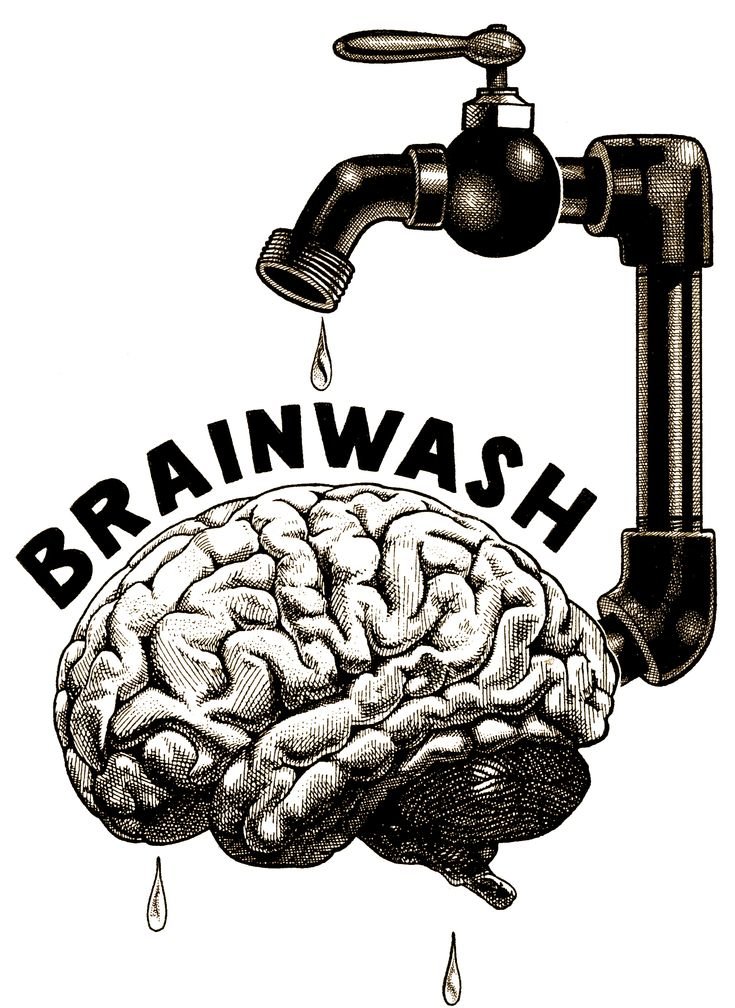
Transform Your Mind: Conquer Negative Emotions with Practical Steps!
Our thoughts are like the directors of a movie, orchestrating the emotions we feel. Dr. Aaron T. Beck, the founder of cognitive behavioral therapy (CBT), said, “We are what we think. All that we are arises with our thoughts.” This wisdom echoes the Bible’s teaching in Proverbs 23:7: “For as he thinketh in his heart, so is he” (KJV). Negative thoughts—like “I’m not good enough” or “This will never work”—can trigger a cascade of negative emotions such as anger, fear, sadness, guilt, shame, anxiety, and frustration. These emotions, if left unchecked, can take a serious toll on our mental health.

A Mental Health Condition vs. Mental Illness: A Clear Explanation for Teens
A mental health condition is like when your phone’s battery is running low or the screen freezes for a bit. It’s a temporary glitch in your mental health that makes things feel off, but it’s usually tied to something specific, like a stressful week or a rough moment. Maybe you’re freaking out about a big exam, feeling down after a breakup, or super anxious about a friend group falling apart. These feelings can make it harder to focus or enjoy stuff, but they often fade with time or a little help.

World Population Day 2025: A Call to Protect Mental Health Amid a Growing World
Today, July 11, 2025, we mark World Population Day, a moment to reflect on the challenges and opportunities of our global population, which stands at approximately 8.2 billion people (UN News, July 2024). As our numbers grow, so do the pressures on our mental health, driven by population growth, resource scarcity, hunger, and their profound impact, especially on children. As advocates for a healthier, more hopeful world, we must address these interconnected issues with urgency and compassion, ensuring mental well-being for all as we navigate a future projected to reach 10.3 billion by the 2080s.
Journaling for Mental Health: A Simple, Work-Friendly Guide for Non-Writers
If the idea of writing makes you cringe, journaling might sound like a chore. But hear me out: journaling for mental health isn’t about crafting perfect prose or filling notebooks with poetic musings. It’s a practical, flexible tool to process emotions, reduce stress, and boost your mental well-being—no writing skills required. Even if you’re at a job where you lack a notebook, phone, or fancy apps, you can still make it work. Here’s how journaling can fit into your work life, why it’s worth trying, and how it helps specific mental health conditions, all tailored for someone who’d rather do anything but write.
What Is Journaling in the Context of Mental Health?
Journaling is simply expressing your thoughts, feelings, or experiences in a structured or freeform way to support your emotional health. Think of it as a private brain dump—whether it’s jotting down worries, venting frustrations, or noting what’s going well. It’s not about grammar or style; it’s about getting stuff out of your head and into a format that helps you reflect or let go. For mental health, journaling acts like a pressure valve, giving you a safe space to process emotions without judgment.
Why Bother If You Hate Writing?
You don’t need to love writing to benefit from journaling. It’s less about the act of writing and more about the relief of unloading mental baggage. Imagine it like texting a friend to vent, but without needing their reply. Studies show journaling can lower stress, improve mood, and even help manage symptoms of mental health conditions like anxiety and depression. Plus, it’s customizable—you can keep it short, use bullet points, or even “write” in your head if tools are unavailable. It’s a low-effort habit with big payoffs, like feeling calmer or more in control during a hectic workday.
How to Journal at Work (Even Without Tools)
Whether you’re at a desk, or on a factory floor, here are practical ways to journal at work, designed for simplicity and minimal writing:
If You Have No Notebook or Phone
- Mental Journaling: No tools? No problem. Use your mind as your journal. During a break, find a quiet moment (even in the bathroom) and mentally narrate your thoughts. Ask yourself: What’s stressing me out right now? What’s one thing I’m grateful for? Speak the thoughts silently in your head, like a mini-conversation with yourself. To make it stick, repeat a key phrase or emotion to anchor the reflection.
- Voice Memo (if allowed): If you can sneak a moment with your phone or a work device, record a quick voice note during lunch or a break. Ramble about your day or feelings for 30 seconds. Delete it afterward if privacy’s a concern.
- Scrap Paper Method: Grab any spare paper—a sticky note, a receipt, or the back of a work form. Scribble a few words or a sentence about how you’re feeling (e.g., “Overwhelmed, need a break”). Fold it, tuck it away, or toss it when done. The act of externalizing counts.
- Object Anchors: Pick a small workplace item (a pen for instance) as a journaling “trigger.” When you touch or see it, pause for 10 seconds to reflect on one thought or feeling. This builds a habit without writing.
If You Have Limited Tools
- One-Word Check-Ins: On a scrap of paper or a work notepad, write one word that sums up your mood (e.g., “Anxious,” “Okay”). Do this a few times a day. It’s quick, discreet, and still helps you track patterns.
- Break-Time Bullet Points: During lunch or a coffee break, use a small piece of paper to list 2–3 things: a stressor, a win, or a goal. Keep it to a sentence each. Example: “Boss’s email stressed me out. Finished report early. Want to relax tonight.”
- Email Draft Hack: If you have computer access, open an unsent email draft and type a quick vent or reflection. Delete or save it privately when done. No one will see it, and it feels less like “writing.”
Tips to Make It Non-Writer Friendly
- Keep It Short: Aim for 1–2 minutes. A single sentence or a few words is enough.
- Use Prompts: Try simple questions like “What’s on my mind?” or “What’s one thing I can let go of?” to avoid blank-page panic.
- Think of It as Venting: Pretend you’re ranting to a friend, not writing a novel.
- Reward Yourself: Pair journaling with a small work perk, like a quick stretch, to make it feel good.
Benefits of Journaling
Journaling is like a mental gym—small efforts build strength over time. Here’s why it’s worth your while:
- Stress Reduction: Writing or reflecting helps offload worries, lowering cortisol levels and calming your nervous system.
- Emotional Clarity: It helps you name and process feelings, making overwhelming emotions feel more manageable.
- Improved Mood: Regularly noting positive moments (even tiny ones, like a coworker’s joke) boosts optimism.
- Better Coping Skills: Journaling builds resilience by helping you spot patterns in triggers or reactions, so you can plan ahead.
- Enhanced Self-Awareness: It’s like holding a mirror to your thoughts, helping you understand yourself better without needing a therapist on speed dial.
Mental Health Conditions Journaling Helps
Research backs journaling as an effective tool for several mental health conditions:
- Anxiety: Writing about worries can reduce their intensity and help you challenge irrational thoughts. A 2018 study found expressive writing decreased anxiety symptoms in college students.
- Depression: Journaling, especially gratitude or positive event logging, can lift mood and counter negative thought spirals. A 2006 study showed that 15 minutes of expressive writing a few times a week reduced depressive symptoms.
- Post-Traumatic Stress Disorder (PTSD): Reflective writing helps process trauma by organizing thoughts and reducing intrusive memories. A 2015 meta-analysis confirmed writing therapy’s benefits for PTSD.
- Stress-Related Disorders: Journaling lowers stress, which can ease symptoms of conditions like burnout or adjustment disorders.
Making It Attractive for Non-Writers
Hate writing? Journaling can still be your thing. It’s not about long essays—it’s about quick, messy, real moments of relief. Picture it as a mental high-five, a way to tell your brain, “I got this.” You don’t need to be Shakespeare; you just need to show up for yourself for a minute. At work, it’s a secret weapon to stay grounded without anyone noticing. Plus, it’s free, private, and requires zero talent—just your willingness to try. Start with a single word or a 10-second thought, and you’ll be surprised how it lightens the load.
Sources
- Pennebaker, J. W., & Smyth, J. M. (2016). Opening Up by Writing It Down: How Expressive Writing Improves Health and Eases Emotional Pain. Guilford Press.
- Ullrich, P. M., & Lutgendorf, S. K. (2002). Journaling about stressful events: Effects of cognitive processing and emotional expression. Annals of Behavioral Medicine, 24(3), 244–250.
- Smyth, J. M., et al. (2018). Effects of writing about stressful experiences on symptom reduction in patients with anxiety or depression. Journal of Clinical Psychology, 74(10), 1551–1566.
- Sloan, D. M., & Marx, B. P. (2015). A meta-analysis of expressive writing on posttraumatic stress disorder. Clinical Psychology Review, 40, 191–200.